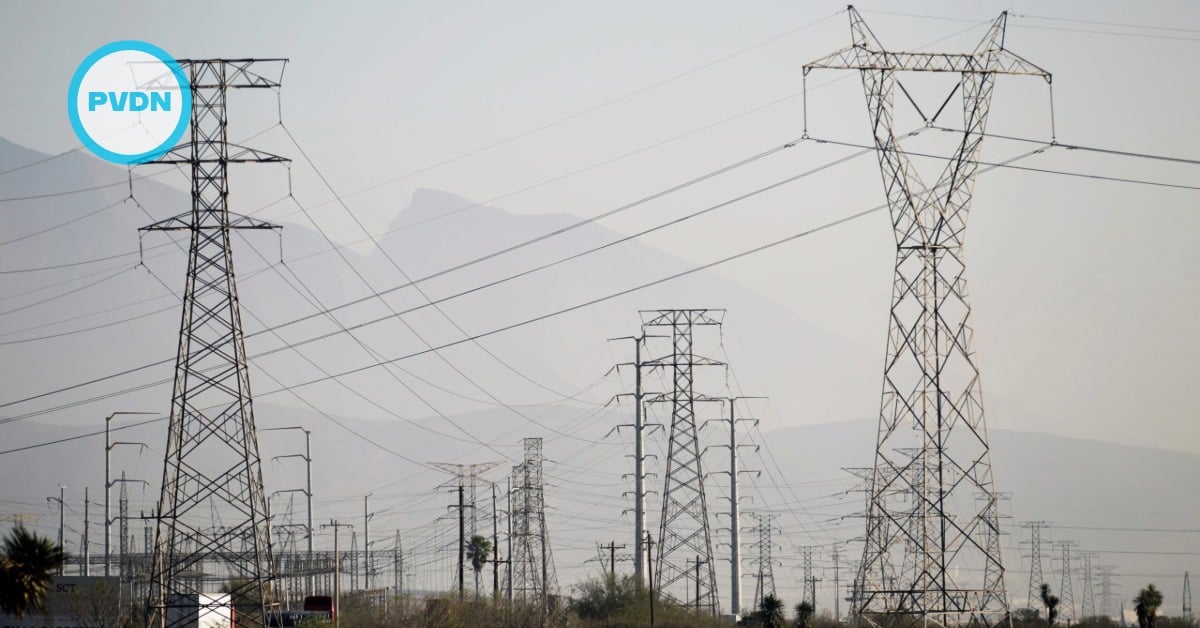
Mexico’s state utility says more power is on the grid, and the first wave is already humming. The CFE new capacity tally sits at 1.7 GW, driven by combined-cycle plants and hydro upgrades, with a larger buildout mapped through 2027. Officials frame it as a cleaner, more reliable supply for a country where demand keeps rising and data centers and factories want guaranteed uptime. The number alone doesn’t tell the whole story—gas dependence, reserve margins, and the pace of future projects will decide whether this momentum holds.
CFE new capacity
Mexico’s Federal Electricity Commission has added about 1.741 gigawatts of generation in recent months, mainly from new combined-cycle plants and hydro repowering, according to officials. That figure tracks with reporting that three combined-cycle units entered service and hydro upgrades are nearing completion.
Put in perspective, Mexico’s installed capacity was roughly 95 GW in 2023. On that basis, the new capacity equals about 2% of the material, though not transformational. It is, however, an early down payment on a bigger pipeline of plants slated to arrive between 2025 and 2027.
The administration’s roadmap envisions about 6.7 GW of new combined-cycle capacity entering service by 2027, with additional projects under consideration late in the decade. That timetable matters because demand is rising and reserve margins have been tight in parts of the country.
Mexico’s grid planners and analysts also point to a structural need for transmission and reliability upgrades, especially as more variable renewables and new industrial loads come online. These upgrades—lines, substations, and reactive power equipment—are the connective tissue that determines whether new plants actually improve service.
Gas dependence, cleaner tech, and what’s next
The new megawatts lean on gas-fired combined-cycle plants, which are efficient and dispatchable but deepen Mexico’s reliance on U.S. pipeline gas. Imports hit record levels this year, underscoring both the affordability of U.S. gas and the exposure that comes with it. Policymakers argue that near-term reliability justifies the strategy while hydro upgrades and solar-thermal pilots diversify the mix.
Longer term, official plans and industry trackers show room for growth in wind and solar, alongside cogeneration. Mexico expanded renewable capacity from about 27 GW to nearly 32 GW over 2020–2023. Adding firm capacity helps keep the lights on when the sun sets and wind eases; expanding clean capacity cuts emissions and, increasingly, meets corporate sourcing rules. Both tracks must advance together to match demand growth.
For now, the headline is momentum. CFE new capacity is real, on the grid, and serving load. But scale and speed will decide whether factories, data centers, and households feel the difference. Delivering the next 5–7 GW on schedule, while building out the grid and integrating more clean power, is the bar to watch. If Mexico clears it, outages ease, reserve margins widen, and the country gains room to grow. If not, even 1.7 GW risks becoming a footnote.