Discover how the Chacmuchuch-Manatí project is investing $500k to protect lagoon ecosystems and boost sustainable tourism along Cancún’s coastal corridor.
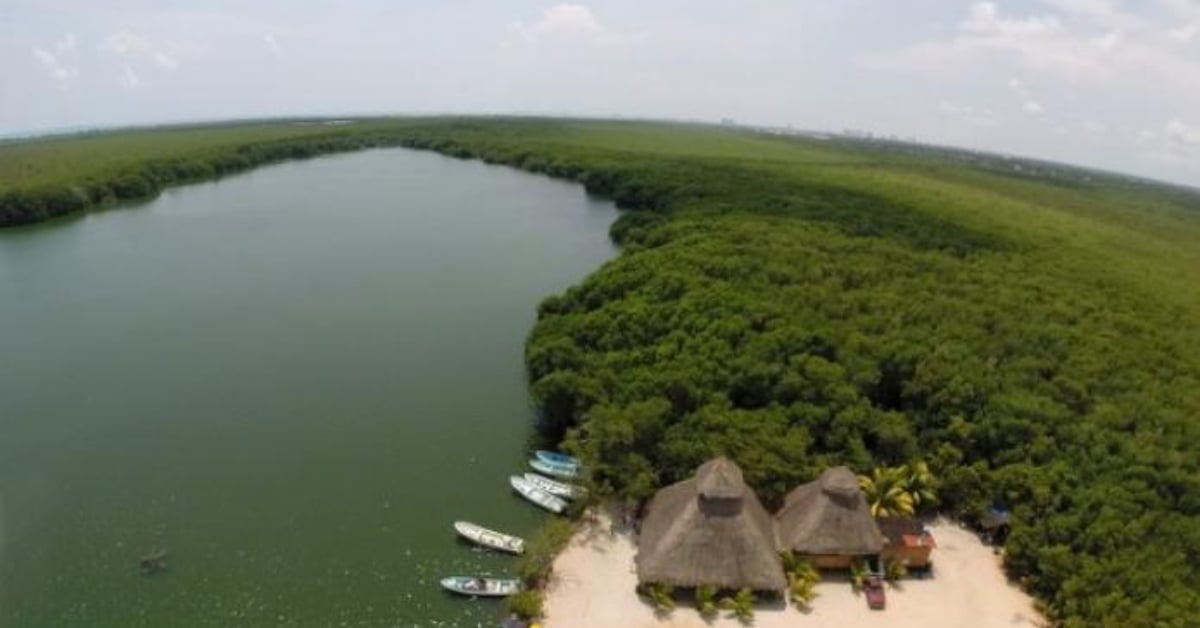
Cancún, Q.Roo – An international investment topping $500,000 will back the launch of the Chacmuchuch-Manatí project, a 30,000-hectare initiative along Cancún’s coastal corridor that aims to safeguard lagoon ecosystems and pioneer a sustainable tourism model.
The project, green-lit by the Mar Fund Technical Committee, spans key conservation zones: the Chacmuchuch Lagoon System State Flora and Fauna Refuge, the Manatí Lagoon, and the northern stretch of the Mexican Caribbean Biosphere Reserve. It represents a partnership between Quintana Roo’s environmental agency (Ibanqroo) and the National Commission for the Knowledge and Use of Biodiversity (Conanp).
Linking communities and nature
Environmental organizations stressed that despite mounting threats from illegal fishing and unchecked urban growth, the corridor retains high recovery potential. The project’s three-stage rollout will:
- Offer training sessions for local communities on ecosystem stewardship.
- Install signage and run promotions highlighting conservation best practices.
- Conduct studies on water flows and assess tourism’s environmental value.
- Seed-fund green entrepreneurs to launch eco-friendly tourism services.
By 2027, planners expect to inform at least 20,000 residents and visitors about the corridor’s ecological importance. Conanp will track progress through 50 management indicators covering research, monitoring, infrastructure, and sustainable development.
Official support and oversight
State and federal bodies have pledged support. “We’re setting a new standard for active conservation in the Mexican Caribbean,” said a spokesperson for Ibanqroo. Conanp officials underscored that burying underground cables and organizing shorelines will reduce visual pollution and protect habitats from storm damage.
Economic and ecological impact
Tourism in Cancún remains a primary economic driver. By integrating conservation with visitor experiences, the project aims to diversify local income sources. Birdwatching trails, guided lagoon tours, and community-led workshops could generate year-round revenue while easing pressure on over-visited coastal areas.
“Eco-tourism will help us balance growth and preservation,” said María Gómez, director of a local environmental NGO. “When tourists learn about the role of mangroves and seagrass beds as fish nurseries, they become advocates for protection.”
Stage one kicks off this fall with community outreach and the launch of promotional materials. Researchers will map water-flow patterns across the lagoons to identify restoration hotspots. In stage two, infrastructure upgrades—such as eco-friendly boardwalks and observation platforms—will begin. The final phase will focus on long-term governance, empowering local committees to manage and expand conservation measures.
If successful, the Chacmuchuch-Manatí project could serve as a blueprint for other coastal destinations facing similar challenges in the Mexican Caribbean. Authorities hope the corridor will shine as an example of how public-private partnerships and community engagement can secure both nature and livelihoods.