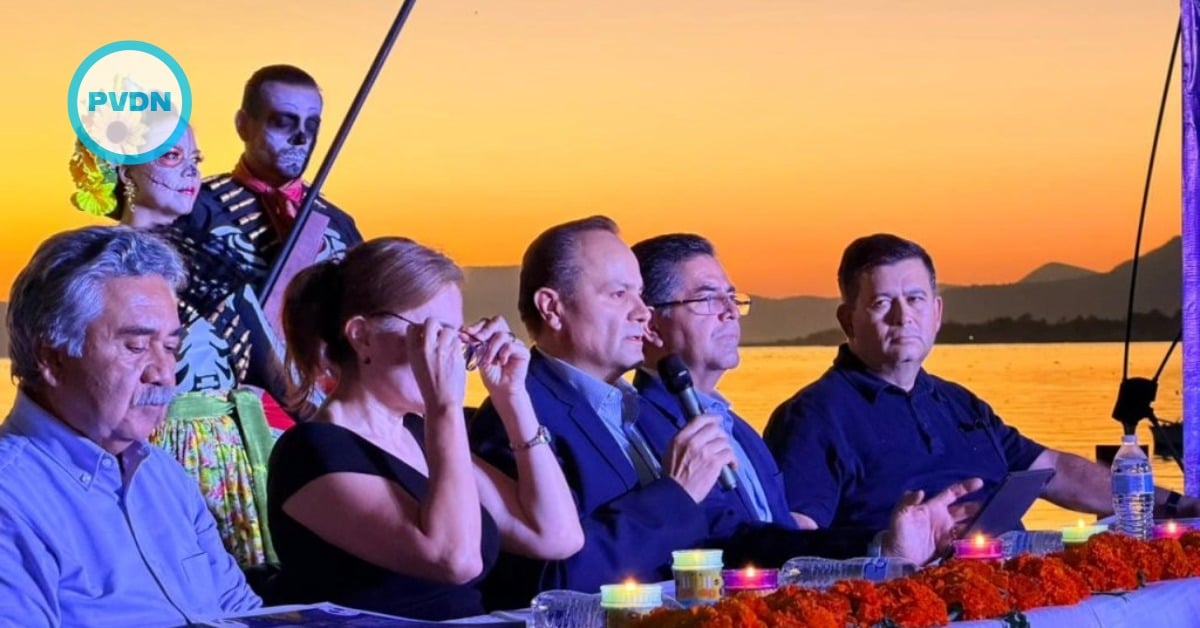
Chapala is setting a long table for memory and color this fall. From October 26 to November 2, the lakeside city brings back Chapala Día de Muertos with Pátzcuaro—the Michoacán cradle of Noche de Muertos—as the guest city. Organizers promise altar displays, catrina parades, music, and plenty of hometown cooking, riding a surge in visitors as Lake Chapala rebounds after last year’s drought. The bet is simple: pair living heritage with a healthier lake, and the crowds will follow. Here’s what to expect and why it matters now.
Chapala is about to turn remembrance into a weeklong welcome. The city has set October 26 to November 2 for its 2025 Day of the Dead festival and named storied Pátzcuaro as this year’s guest city. This invitation signals both cultural respect and ambition. Local authorities say they expect more than 10,000 visitors during the celebration, with altar displays, catrina parades, live music, regional cuisine, and activities that keep people first.
Chapala Día de Muertos
This year’s choice of Pátzcuaro isn’t just ceremonial. It’s a nod to the place where Noche de Muertos has deep Purépecha roots and where families still keep vigil in cemeteries on November 1 and 2. Bringing that tradition to Jalisco as an honored guest raises the bar for Chapala’s program while grounding it in the practices that inspired Mexico’s UNESCO-recognized ritual of remembrance. The message from city hall is clear: the festival walks “hand in hand” with Mexican traditions, not as a spectacle, but as a living gathering of neighbors and visitors.
The timing also works in Chapala’s favor. After a punishing 2024 dry spell, the lake is having a better year. Water levels have rebounded this fall, a visible lift for fishermen and lakefront businesses and a quiet backdrop for evenings of candles and marigolds. That environmental turn—mundane on a hydrology chart, meaningful on the malecón—helps explain the recent crowds and the city’s confidence going into the holiday week.
Pátzcuaro’s presence will likely be felt in the details: the style of the ofrendas, the cadence of the processions, the crafts and recipes that carry stories from Michoacán. For travelers who cherish the human side of Day of the Dead—families tending graves, kids learning to make paper marigolds, elders explaining why the bread has bones—this is where Chapala’s week becomes more than a photo op. It’s a chance to experience two lakeside cultures in conversation.
What Pátzcuaro brings to Lakeside
Expect some playful flourishes too. University students in Chapala have been building a five-meter “robotized” catrina—equal parts engineering project and crowd-pleaser—that will stand near the municipal palace alongside the altars. It’s a youthful wink inside a solemn tradition, and a reminder that remembrance can be both reverent and inventive without losing its heart.
If you’re planning the trip, the safest bet is to arrive before the weekend, when the heaviest programming and cemetery vigils traditionally crest nationwide. Chapala’s core events will hug the waterfront and central plazas; the town’s scale keeps most activities walkable, but expect traffic on peak nights. Hotels around the lake and in nearby Ajijic tend to fill quickly; day-trippers from Guadalajara push crowds higher after sunset. Pack patience. The payoff is simple: warm food, warm light, and conversations that make the holiday feel personal.
Beyond schedules and headcounts, the spirit matters. Chapala Día de Muertos succeeds when it feels like a reunion—between families and their loved ones, between guests and the community hosting them. With a healthier lake and a partner city known for deep tradition, Chapala has set the table. Now the task is to keep the focus on people over spectacle, so the memories carry farther than the fireworks.