Latest Mexico news on culture and traditions in Mexico.
Mexico’s cultures are local first: community festivals, craft traditions, music scenes, and kitchens that tell history in every dish. This page collects our culture stories with an emphasis on the people who keep traditions alive and the changes they face. Expect profiles, event coverage, and explainers that connect past and present without cliché. We highlight regional differences and the everyday work behind a “cultural moment,” from rehearsals to markets to community halls.
Living traditions in communities—music, dance, crafts, and food. We focus on people who keep them alive and how change affects their work.
Name places and practitioners. Credit sources. Avoid flattening different regions into one story. Let locals lead the explanation.
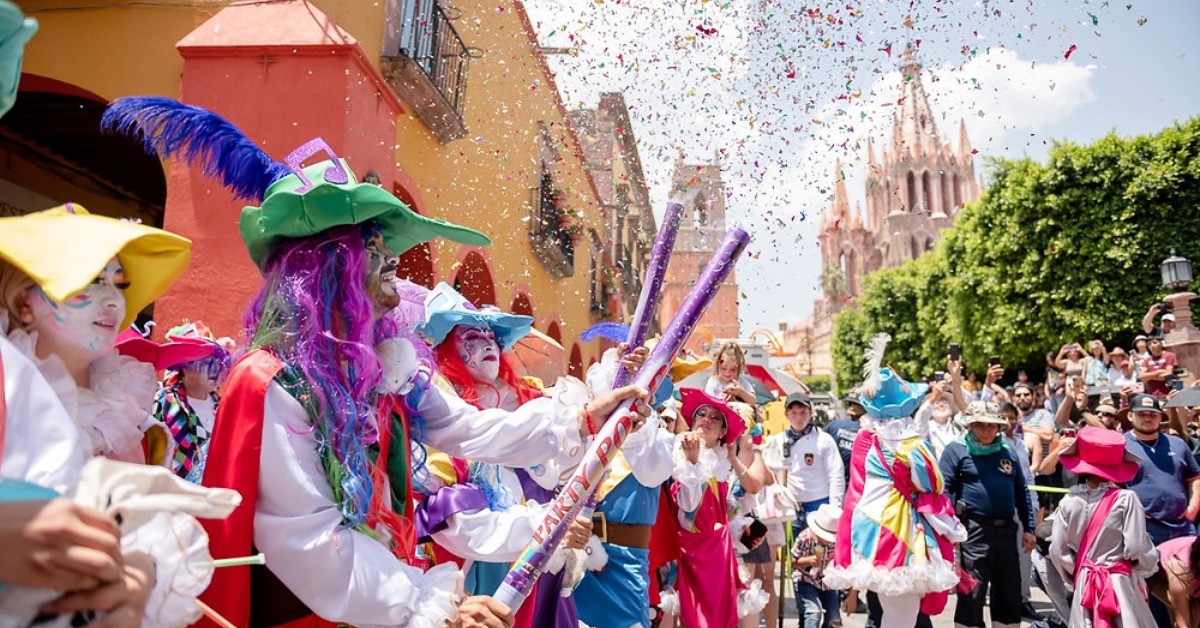
Religious and civic festivals, harvests, craft fairs, and school events. Dates vary by town even when names are similar.
Arrive as a guest. Learn the basics, ask before filming, and support the people doing the work.
Mexico isn’t one story. It’s hundreds, layered by language, region, and history. Our Mexico Culture and Traditions coverage follows those layers where they live: fiestas on the plaza, kitchens at dawn, workshops that smell of wood and dye, processions that turn streets into stages. We explain what people do, but more importantly, why it matters to the community that keeps it alive.
Start with languages. Mexico hosts dozens of Indigenous languages and many more variants. Words carry memory—of farming cycles, rivers, and saints’ days—and they shape how celebrations unfold. When a community says a ceremony “feeds” the town, that’s not metaphor. It’s a promise to show up, cook, share, and keep ties strong.
Food is culture you can hold. Tamales change by valley and coast. Mole is a family archive, adjusted by taste and season. Street snacks vary block to block. We look at the recipes, but also the routes behind them: trade in chiles and cacao, migration to cities, and new twists from young cooks who honor tradition while playing with form.
Craft is another record. Textiles, pottery, masks, and silver all speak the language of place. Dyes tell you what plants grow nearby. Motifs sketch local history—storms survived, saints thanked, animals that guide. Buying directly from makers isn’t charity; it’s a vote for the next generation to learn, earn, and stay rooted.
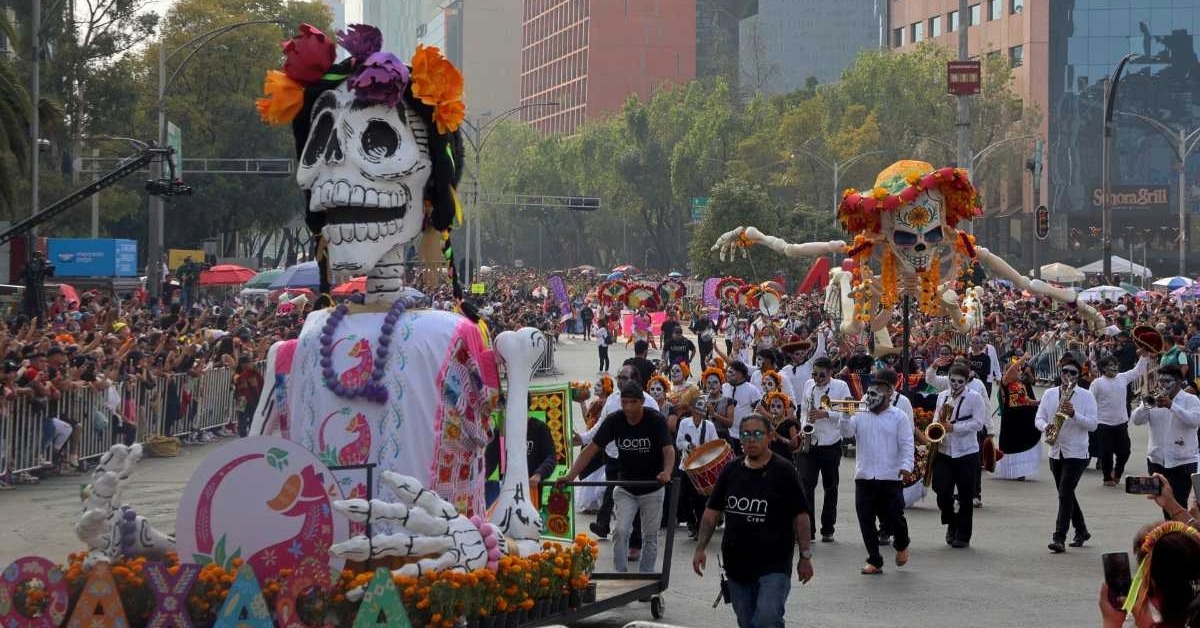
Festivals bind the calendar. Some mark harvest, others mark patron saints or national dates. Día de Muertos is the most famous, but each town has its own balance of solemnity and joy. Music, dance, and costume are not extras. They are the engine that moves people together. We cover how authorities manage crowds and commerce, but we center the hosts—the families who decorate altars, rehearse for months, and sweep streets at dawn.
Cities evolve, and so do traditions. Migrants bring hometown practices to urban barrios and remix them. Tourism adds money and pressure. Demand can lift artisans or push prices and dilute meaning. Our reporting follows that tension without scolding. We ask who benefits, who decides, and how communities protect sacred elements while sharing what they want the world to see.
Faith sits beside everyday life. Catholic processions wind past pre-Hispanic sites. Healing rituals include both clinics and curanderas. None of this is contradiction; it’s continuity. We avoid sensational framing and rely on voices with standing—elders, mayordomos, dancers, cooks—alongside scholars who document change over time.
How to read our stories: watch the verbs. “Offer,” “prepare,” “teach,” “repair.” Tradition isn’t a museum piece; it’s work, often by women and youth who organize, fundraise, and pass on skills. When a town cancels a fiesta, that’s a social and economic shock. When it returns, that’s resilience you can measure in candles, bus tickets, and looms back in motion.
In plain terms, Mexico Culture and Traditions is about belonging. We cover the practices that make a place feel like itself—and the choices communities face as the world presses in. Clear reporting, local voices, and context over cliché. That’s our promise.
We follow stories about local cultures and traditions.