Puerto Vallarta, Jalisco, August 22, 2026 – Puerto Vallarta’s municipal government spent much of the week recovering from failures in two services people notice immediately. SEAPAL took control of delayed highway-related water work after 142 colonias endured a shutdown that ran days beyond plan, while continued complaints about missed trash pickups pushed the issue into the Jalisco Congress.
City Hall also received five new patrol trucks, and council committees met on slaughterhouse conditions, road naming and beach safety. Those are visible actions. The harder measure is whether they produce stable water pressure, dependable collection, faster police response and public records that show who promised what.
The water repair became a rescue job
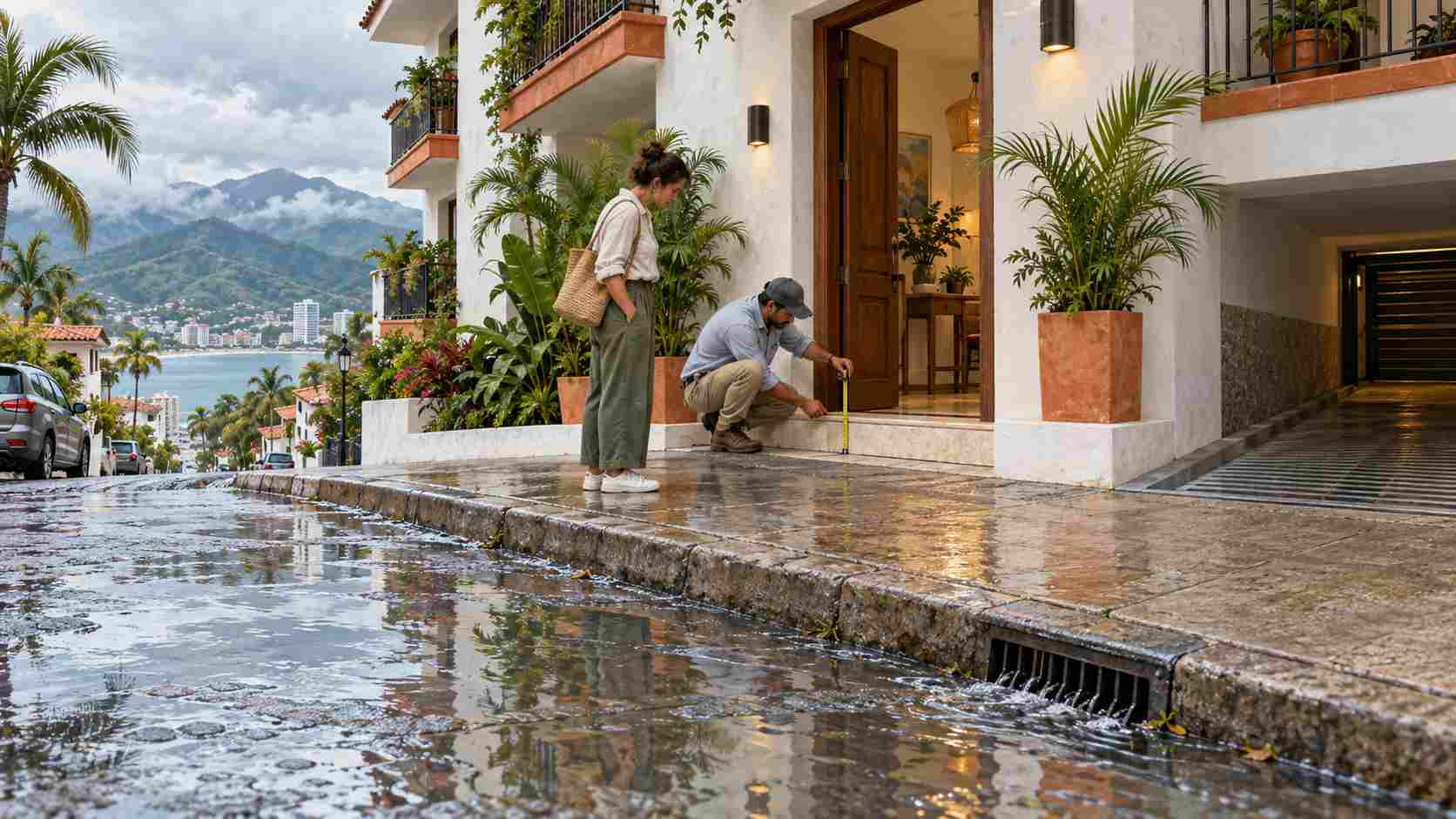
SEAPAL’s August 17 notice said the Puerto Vallarta–Las Varas highway concessionaire missed its agreed schedule during interconnections with Tanque San Francisco. About 40 percent of the city, spread across 142 colonias, was affected. The municipal water utility placed recovery roughly 36 hours behind the original timetable.
By August 19, SEAPAL said it had taken over the unfinished work after more than 72 hours of continuous operations. Its August 21 update said water had returned to most affected areas, though intermittent service and low pressure could continue, especially at higher elevations. PVDN’s timeline of the weeklong disruption shows how a scheduled connection became a citywide service problem.
The failed job remains the concessionaire’s responsibility. Municipal oversight still matters. SEAPAL has not publicly identified any penalty, reimbursement, added cost to the utility or safeguard tied to future highway work. Those details would show whether ratepayers absorbed the cost of crews, equipment and water tankers deployed to rescue a third-party project.
Trash complaints reached Guadalajara
State deputy Yussara Canales asked the Jalisco Congress to press City Hall over collection failures. The legislative demand detailed by PVDN calls on the municipality to meet announced routes, times and pickup frequency, then report its legal, administrative and financial handling of the former Red Ambiental concession.
The motion is political pressure, not an audit ruling. Still, the complaints stretch across Versalles, Mojoneras, San Esteban, Bobadilla and more than a dozen other colonias. That reach weakens any argument that the misses are isolated.
The city took direct control of collection in April. Four months later, homes and businesses still face missed pickups while the former concessionaire’s MXN 240 million payment claim remains part of the dispute. City Hall has not published a current route-performance dashboard, daily truck availability, overtime spending or its final legal position on the concession. Without those records, the public cannot tell whether the system is improving or merely shifting problems among colonias.
Patrol numbers rose before public benchmarks
An official municipal release said five new RAM pickups bought through FORTAMUN joined 35 vehicles delivered earlier, bringing the administration’s claimed total to 40. The release did not state the acquisition cost, assigned sectors or a target tied to police response times.
That missing baseline matters. INEGI’s June 2026 urban safety survey found 65.4 percent of adults in Puerto Vallarta felt unsafe, compared with 27.3 percent one year earlier. The annual increase was statistically significant. A patrol truck is an input, not a result. The next useful disclosure would show shift coverage, response times, vehicle downtime and which colonias gained regular police presence.
Meetings produced agendas, not enough answers
The official commission archive lists an August 17 review of the municipal slaughterhouse inspection, an August 19 planning discussion on a road-name initiative and a beach committee presentation on wildlife safety. As of August 22, the current entries offered agendas but no minutes showing attendance, votes or assigned commitments.
The slaughterhouse is a useful test. Council had already authorized urgent repairs, yet the package remains tied to available funds and has no published cost or completion schedule, as last week’s City Hall Watch reported. Authorization allows the city to act. It does not show that refrigeration, drainage, water treatment and other deficiencies have been corrected.
The week did include physical progress people may soon see. The Avenida Federación access and Amado Nervo bridge moved closer to opening, with municipal officials projecting a year-end launch. State and federal governments are carrying the principal works. The corridor may shorten trips between Ixtapa and Bahía de Banderas, but it does not substitute routine municipal services.
City Hall’s next scorecard is plain. Water pressure must stabilize in high-elevation colonias, trash trucks must match published routes, commission minutes need to show decisions, and 40 patrols need measurable deployment and response data. This week produced activity. The proof will appear in the service people actually receive.