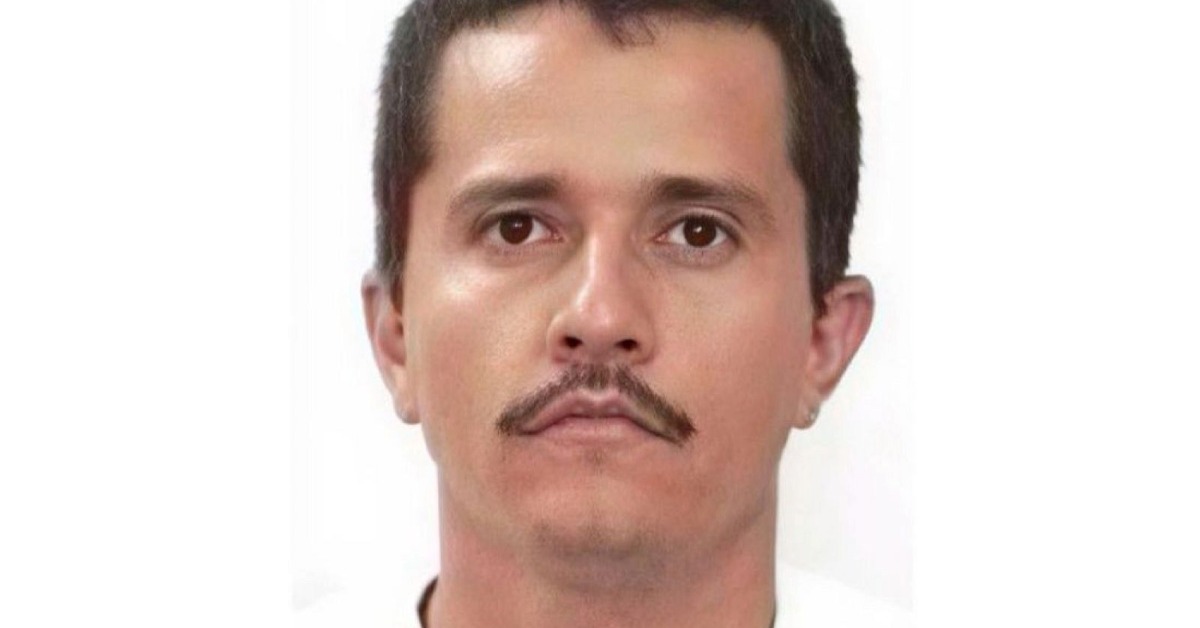
The death of Nemesio Oseguera removes the founder of one of Mexico’s most expansive criminal groups. It does not remove the system he built. CJNG’s reach now runs through local alliances, cross-border trafficking routes, and side businesses that generate steady cash. That is why the next phase matters as much as the raid itself. The key question is no longer only who leads the cartel. It is the parts of the network that can keep moving without him.
Why the organization still matters
The operation that killed Nemesio Oseguera was a major strike against CJNG, and authorities said they are watching for retaliation and internal restructuring. That warning matters because the group was built to survive pressure. Public U.S. agency profiles describe CJNG as a transnational organization with a presence in more than 40 countries. Those same profiles also describe a model that relies on local operators, facilitators, and wide distribution routes. In practice, that means leadership losses can disrupt decision-making without bringing the entire network to a halt. It also means the cartel’s footprint is maintained by people who do not depend on daily contact with one boss. For readers in Mexico, that is the core point after this raid. A decapitation strike can change the organization quickly, but it does not erase a structure that was built to keep moving under pressure. It can force adaptation, but not immediate disappearance. That is why the network can outlast a single operation.
Presence is not the same as control
Another point gets lost in simple maps and headlines. Presence is not the same as control. Current reporting describes CJNG as embedded across much of Mexico through alliances with local criminal groups and political protection in some areas. The same reporting also distinguishes between presence and full operational dominance. In some states, the group can move more easily. In others, it still bargains, competes, or shares territory with rivals. That distinction matters after Oseguera’s death because succession risk varies across countries. Core strongholds may keep a tighter chain of command. Peripheral zones may shift faster if local partners test the balance of power. This is also why broad claims about total collapse or total continuity can both mislead. CJNG can remain nationally reachable while becoming unevenly controlled. That unevenness is often where the next round of violence starts. It is also where security pressure can produce uneven results.
The money model is part of the power
CJNG’s durability also comes from diversification. Drug trafficking remains the core business, especially fentanyl, methamphetamine, and cocaine, but sanctions and enforcement actions describe a wider portfolio. U.S. authorities have linked CJNG networks to fuel theft and crude smuggling. Treasury actions also highlighted extortion and timeshare fraud operations tied to the Puerto Vallarta and Bahía de Banderas area. Those cases matter because they show how the organization earns money from both criminal logistics and local predation. They also show why the cartel can absorb shocks. A group with several revenue streams does not depend on any single route, city, or shipment. Another key detail is organizational design. U.S. and Mexican assessments describe CJNG as a franchise-like system in parts of its structure. That model gives local cells room to keep collecting income even when the top command changes. It also gives the group options during leadership uncertainty. That flexibility matters after a leadership shock.
What to watch in the next phase
The next phase will be measured less by official statements and more by patterns on the ground. Authorities have said they are monitoring several leaders and watching for reorganization. The first indicator is where violence is likely to concentrate in the coming days and weeks. If it stays centered in Jalisco and nearby corridors, the disruption may reflect a contested succession. If it spreads through allied groups in distant markets, the signal is different. That would suggest local alliances remain active and coordinated. A second indicator is financial continuity. If fraud, fuel theft, and trafficking operations continue with limited disruption, the group’s operating system is still intact. Oseguera’s death changes CJNG’s command picture. It does not, by itself, remove the territorial alliances, cash flows, and logistics that made the cartel a major force across Mexico and abroad. For expat readers, that means risk can shift even when headlines suggest closure. The situation can stabilize in one city and worsen in another.