Puerto Vallarta is still mopping up after a brutal Sunday storm. Now, the state Civil Protection says it will work with Conagua to clear invaded channels and go after irregular construction that pushed water into homes. The plan adds Puerto Vallarta to a state effort to reclaim riverbeds and storm drains, aiming to reduce repeat flooding. Officials admit the legal path can be slow. Residents want proof on the ground—machines in the channels before the next cloudburst.
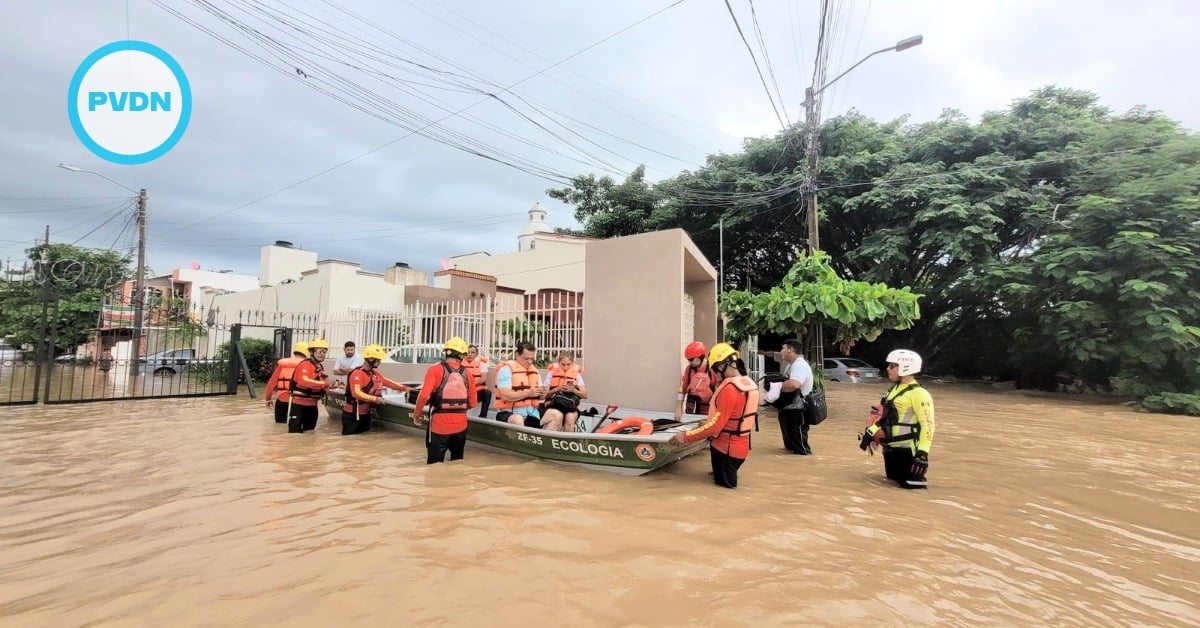
In the dark before dawn on Sunday, October 12, floodwater rushed through northern Puerto Vallarta. Families scrambled for higher ground. By week’s end, state authorities promised a fix that goes beyond brooms and pumps. On October 16, officials said Jalisco’s State Civil Protection will work with the National Water Commission to recover riverbeds and storm channels that have been invaded or obstructed—and pursue legal action where irregular construction is found.
Blocked channels in Puerto Vallarta
The pledge matters because the problem isn’t just heavy rain. It’s where that water was forced to go. When homes, lots, or parking pads encroach on federal riverbeds and storm channels, the flow narrows, debris accumulates, and water seeks the weakest point. State officials added that Puerto Vallarta is being incorporated into a broader Jalisco initiative to reclaim natural waterways and reduce the likelihood of repeat flooding. They warned the legal side can be slow, but the goal is prevention, not press conferences.
The numbers tell their own story. More than 1,200 homes experienced water damage across at least nine neighborhoods after the weekend storm. State Civil Protection personnel said the likely driver wasn’t a cyclone but a localized, severe downpour compounded by silted-up channels—precisely the kind of maintenance gap and encroachment this operation is meant to confront. Legal steps against irregular builds are on the table, while crews continue cleanup and damage counts.
Puerto Vallarta’s drainage network also buckled in specific choke points. Reports from the morning of October 12 listed at least six storm channels that overflowed—among them Virgen, Contentillo, Rastro, Poetas, Villas Universidad, Mojoneras, and CUC—flooding streets and sending muddy water through living rooms and small shops. A unified command post coordinated evacuations and damage assessment while soldiers and municipal workers moved families to safety. This is why clearing the channels—now, not in the next rainy season—matters.
What changes residents will notice
In the short term, expect backhoes, dump trucks, and temporary closures near arroyos and canals as agencies map trouble spots and pull out trash, silt, and fallen limbs. Some properties located within federal right-of-way may receive notices. Owners may be asked to remove fences, platforms, or fill that constricts flow. Officials concede the enforcement track can drag, but it exists for a reason: once channels are open and kept open, storms drain faster and the city sleeps easier.
The longer fix is trust. People will believe this push when they see machines in the channel and see water staying inside it during the next storm. Publishing a public desilting schedule—plus regular progress briefings in plain language—would help. So, it would bring quick, visible wins in the worst bottlenecks. Puerto Vallarta cannot control the sky. It can control whether blocked channels in Puerto Vallarta remain blocked even after the clouds break.