Mexico’s latest measles update is less about one hotspot and more about how to get protected fast. Officials say confirmed cases have climbed to 10,634, with the week of Feb. 8–14 recording the largest weekly increase this month. The report highlights which age groups have the highest incidence and why certain groups are being prioritized for shots. It also points residents to an official map and phone line to locate vaccination sites and hours. If you live in Mexico full-time or seasonally, here is what the update means and what to check before your next clinic visit.
The surge that pushed access to the forefront
Mexico’s measles outbreak is not just growing; it is changing how health services direct people to vaccines. The Health Ministry says the number of confirmed cases nationwide has reached 10,634. It also says Feb. 8–14 produced the biggest weekly increase this month, with 973 new infections recorded on a preliminary basis. Officials say this is more than triple last year’s peak week. In mid-April 2025, the weekly count reached 320 confirmed cases. The ministry’s outbreak record says transmission continues. As of the Feb. 20 reporting cutoff, the virus had been detected in 375 municipalities across all 32 states. Incidence is highest among babies under 1 year old. Children ages one to four and five to nine follow. In this phase, the government’s message is less about a single hotspot and more about access. The latest update points people to a national clinic locator. It also points to a phone line for guidance when residents are unsure where to start.
Who the campaign is trying to reach now
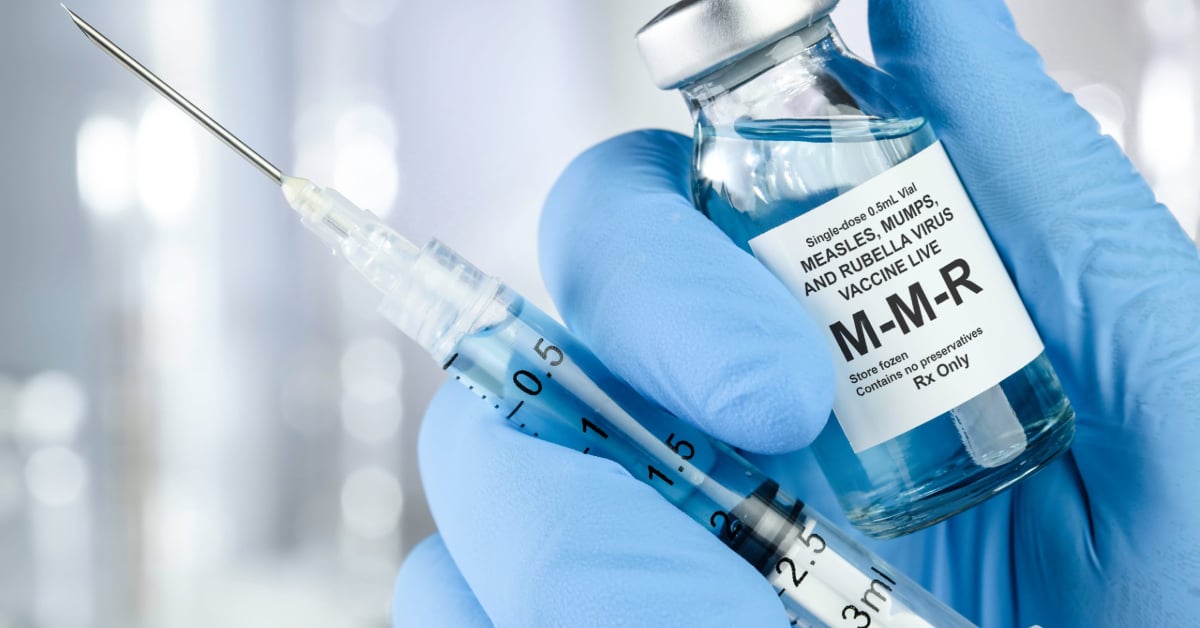
The vaccination plan is being framed around filling gaps, not giving repeat doses to everyone. The Health Ministry says the campaign prioritizes children ages six months to 12 years. That includes those with no measles dose recorded and those who need a booster. It also targets people ages 13 to 49. This group includes those without documented vaccination history and those with incomplete schedules. The age brackets reflect two pressures that outbreaks expose. One is young children who have not completed a full series. The other is adolescents and adults who may have missed doses years ago. During outbreaks, services may use different products for different age groups. Some sites use the combined measles, rubella vaccine. Others use the combined measles, mumps, and rubella vaccine. Supply and local guidance can shape that choice. Mexico’s health sector says it applied 18,220,877 measles vaccine doses from Jan. 1, 2025, through Feb. 20, 2026. Public health agencies say vaccination protects individuals and reduces community spread. That matters most for babies and people who cannot be vaccinated for medical reasons.
How the locator and phone line change the next step
What is different in this update is the emphasis on navigation tools, not just eligibility. The Health Ministry directs residents to an official platform called “¿Dónde me vacuno?” It displays vaccination sites by state, municipality, or borough. Users can filter by age group and vaccine type. The site also separates regular vaccination units from temporary posts. Officials also cite the 079 phone line. It is an option for people who prefer voice guidance or have limited internet access. For expat residents, this reduces reliance on word of mouth. That can be inconsistent across neighborhoods. A practical step is to check the listing for your municipality. Then confirm hours and whether the site is offering the dose you need. Bringing any available vaccination record can speed up a visit. Services are also designed to help people who are missing documentation. When symptoms are present, calling ahead before arriving can help. It can also reduce exposure in waiting areas.
What to check if you live in Mexico full-time or seasonally
For households and schools, the age breakdown in the report underscores the urgency of routine checks. Babies under one year have the highest incidence in the dataset. That makes household exposure a core concern. Families should confirm whether scheduled doses have been started and completed. They should also ask if a baby in the six-to-11-month window needs an outbreak “extra” dose. Adults who moved to Mexico or split time between countries may also have gaps. People who cannot locate old records may be in the 13-to-49 group the campaign is trying to reach. Measles can spread through the air. People can transmit the virus before they recognize it. That is why vaccination is considered the primary prevention tool. Public health agencies often cite strong protection after two doses. If you think you were exposed, seek medical guidance promptly. If you develop a fever with rash, seek guidance quickly as well. Limit close contact with others while you do so.
With information from La Jornada, ¿Dónde me vacuno?, IMSS, CDC, WHO, IMSS