Puerto Vallarta’s fast-growing condominium sector is getting new attention from state training officials, as more buildings and larger residential complexes add pressure on local management standards.
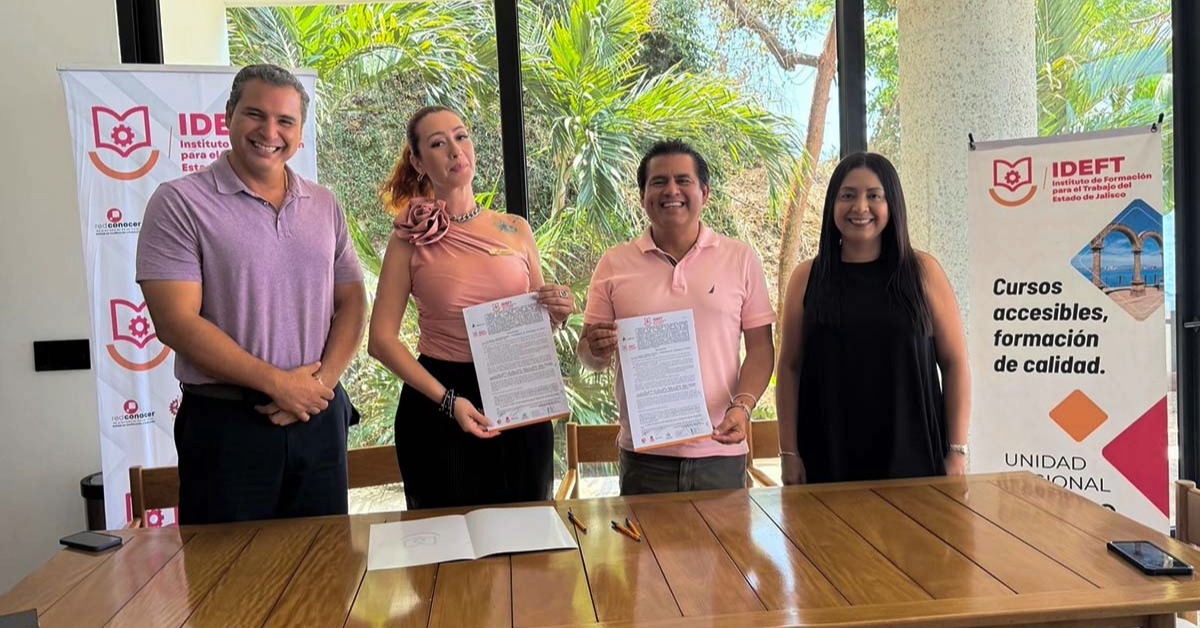
The Institute for Job Training of the State of Jalisco, known as IDEFT, signed a collaboration agreement with the Association of Administrators and Condominium Professionals of Puerto Vallarta, known locally as ADPROCOPV. The goal is to develop training programs for condominium administrators and operational staff.
The agreement was signed through IDEFT’s Puerto Vallarta regional unit. It is intended to create courses based on the practical needs of those who manage condominium buildings, including administrators, maintenance teams, and other staff involved in daily operations.
The agreement places condominium management in the same conversation as tourism, housing, and local competitiveness. That is important in Puerto Vallarta, where new residential towers, vacation rentals, and mixed-use buildings continue to change how parts of the city function.
For residents, owners, and renters, the issue is not only whether new buildings are approved. It is also whether the people responsible for managing them understand budgets, maintenance, legal duties, emergency issues, and resident relations.
Why this matters in a growing destination
Puerto Vallarta has become a city where tourism, housing, and real estate now overlap every day. Many buildings are no longer simple residential properties. They may include full-time residents, part-time foreign owners, short-term renters, commercial spaces, and tourism-linked services.
That creates a more complex job for condominium administrators. They are often expected to manage maintenance fees, common areas, vendors, staff, security concerns, owner meetings, and financial records. They may also be the first point of contact when conflicts arise between residents, guests, and boards.
For international residents, the system can be unfamiliar. In Mexico, condominium management is governed by local law, building bylaws, and assembly decisions. That can be different from homeowner association systems in the United States or Canada.
The training agreement suggests that local institutions see professional condominium administration as part of Puerto Vallarta’s broader development needs. It also reflects a shift in how the city must manage growth after years of increased vertical construction.
The legal role of a condominium administrator
Under Jalisco’s Civil Code, condominium property is managed by the person or legal entity designated by the owners’ assembly. The administrator has responsibilities that go beyond simple building upkeep.
The administrator can act as the condominium’s legal representative in administrative matters. The role also includes carrying out decisions made by the owners’ assembly and the administrative council.
The law places clear duties on administrators. These include overseeing building operations, maintaining common areas, managing general services, and handling maintenance spending.
Administrators are also responsible for collecting fees, issuing receipts, and keeping records that support the condominium’s expenses. The law requires updated documentation and books for assembly minutes, administrative council minutes, and income and expenses.
That is why training can matter. A poorly run condominium can create problems for owners, renters, employees, and neighbors. Missed maintenance, unclear records, and weak communication can turn routine building issues into legal or financial disputes.
A sector trying to organize itself
The new IDEFT agreement follows earlier efforts by condominium administrators in Puerto Vallarta to professionalize the sector.
ADPROCOPV has already discussed certification, legal training, and closer coordination among property managers. Local reporting in recent months described the association as having about 50 affiliated administrators, while estimating more than 1,800 condominiums in Puerto Vallarta and a larger number across the bay region.
Those figures show the scale of the challenge. Even if not every building is large, the number of condominium properties creates a wide need for trained administrators, maintenance staff, and service providers.
The association has also pushed training on Jalisco’s Civil Code, with plans to compare rules in Jalisco and Nayarit. That matters because the greater Bay Area crosses state lines. Puerto Vallarta is in Jalisco, while nearby communities such as Nuevo Nayarit, Bucerías, and Punta de Mita are in Nayarit.
For residents who move between both sides of the bay, this can be confusing. Rules and procedures may not be identical. A management practice that works in one state may not apply the same way in the other.
Growth brings operational pressure
Puerto Vallarta’s growth is visible in new towers, more rental units, and expanding neighborhoods. But it is also felt in less visible ways, such as garbage collection, water use, building maintenance, and traffic in residential areas.
The city had 291,839 residents in the 2020 census, and federal data counted about 86,500 occupied private homes. Since then, tourism and housing demand have continued to push development patterns in the city and the surrounding region.
Tourism data also shows why real estate and condominium management are tied together. Puerto Vallarta recorded more than 6.2 million visitors in 2025, with an annual hotel occupancy rate of nearly 70 percent. Tourism authorities also reported more than 1,700 new hotel rooms added in the metropolitan area during the year, not including digital lodging platforms.
Those figures do not measure all condominium use. Many units are used as second homes, long-stay rentals, or short-term vacation rentals. But they help explain why residential and tourism infrastructure are increasingly connected.
When a condominium building operates partly as housing and partly as lodging, management becomes more complicated. Administrators must balance the expectations of owners, guests, renters, and permanent residents.
What training could cover
IDEFT has not publicly detailed a full course list for this specific agreement. But the stated goal is to design programs focused on the real needs of administrators and operational staff.
In practice, that could mean training in maintenance planning, staff supervision, customer service, conflict handling, accounting basics, and legal documentation. It could also include safety protocols, vendor management, and communication with owners’ assemblies.
For Puerto Vallarta, the benefit would be stronger building operations in a sector that touches residents, tourists, and workers. Better administration can mean clearer records and fewer conflicts over fees or maintenance, was the message for owners.
For workers, formal training can also lead to better skills and more stable employment. IDEFT’s broader mission is to provide technical training tied to the needs of productive sectors in Jalisco.
That makes the agreement more than a symbolic signing. It connects one of Puerto Vallarta’s most visible growth sectors with a state institution focused on job skills.
What foreign owners should understand
Foreign condo owners in Puerto Vallarta should not view the administrator as only a building manager. In Jalisco, the role can carry legal and financial responsibilities that affect the entire condominium.
Owners should understand how their building elects or hires its administrator, how fees are approved, how records are kept, and how assemblies are called. They should also know whether the building has current bylaws and whether decisions are properly documented.
This is especially important for owners who spend only part of the year in Mexico. Remote ownership can make it harder to follow building decisions, review budgets, or respond to assembly notices.
Professional training does not solve every problem. But it can help create common standards in a sector that has grown quickly and unevenly.
For Puerto Vallarta, that is the larger point. As the city continues adding housing and tourism-related development, the quality of daily management will shape how those buildings affect neighborhoods and residents.
A small agreement with wider meaning
The IDEFT agreement comes at a time when Puerto Vallarta is debating growth, services, and the future shape of the city. New construction often gets the attention. Management comes later, when buildings are occupied, and problems become routine.
That is where trained administrators and operational staff can make a difference. They are the people responsible for turning building rules, budgets, and maintenance plans into daily practice.
For a destination with a large international community, the issue also has a trust component. Foreign residents and buyers need clear systems, legal compliance, and reliable communication.
Puerto Vallarta’s condominium sector is now large enough that informal management is no longer enough for many buildings. The new training agreement is a sign that the sector is moving toward more formal professional standards.
Whether residents see the results will depend on how the programs are built, how many administrators participate, and whether building boards value professional training when choosing who manages their properties.