A small crocodile appeared in the Cuale River on Saturday afternoon, and neighbors didn’t wait for help. They tied the animal and called it in. Green Patrol officers took over and moved it to a safer habitat. No one was hurt, but the scene raised a familiar question for Vallarta: what should people do when a crocodile shows up in a busy neighborhood? Here’s what happened, why it matters on the rivers, and the guidance officials repeat every rainy season.
Cuale River crocodile
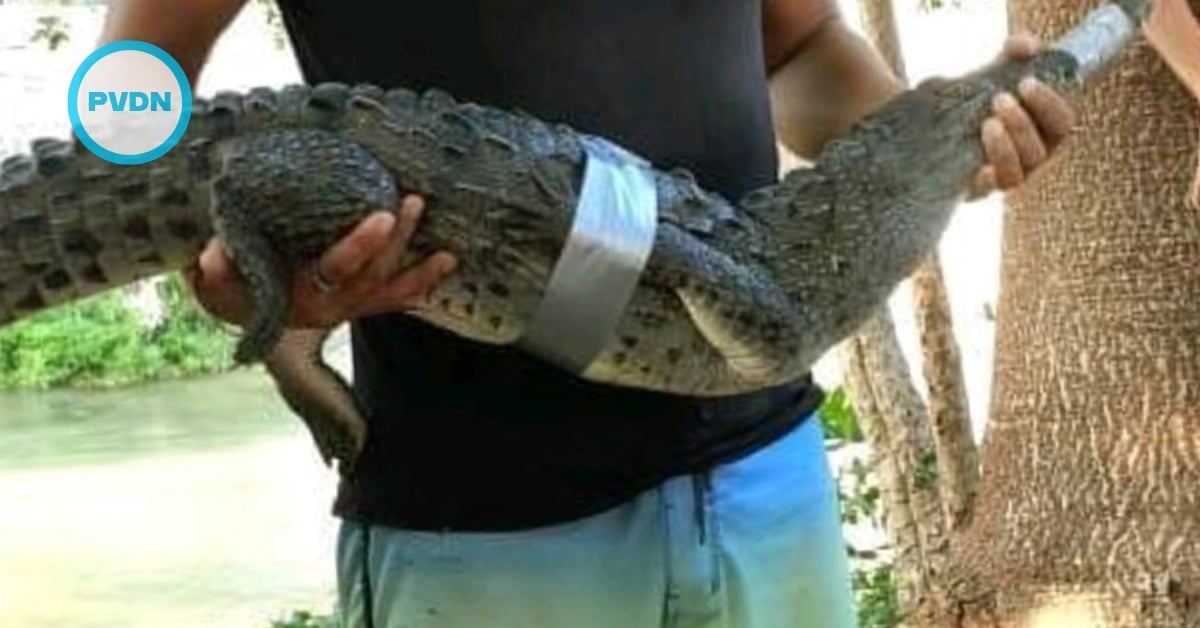
Neighbors in Emiliano Zapata tied up a young crocodile along the Cuale River on Saturday afternoon, October 25, 2025. Municipal officers arrived within minutes, took control, and turned the case over to the city’s Green Patrol, which later relocated the reptile to a safer habitat. According to a local report, the animal measured roughly 1.5 meters.
Witnesses told police the crocodile had been secured with a rope around its snout and legs before officers reached the riverbank near Camichín. No injuries were reported. Authorities at the scene reminded residents that capturing wildlife is not a DIY job. They said the crocodile was already tagged for monitoring, indicating that the city’s environmental teams had already logged it.
The episode speaks to a broader reality: Vallarta shares space with American crocodiles. During the rainy season, they move more, ride swollen rivers, and sometimes wander close to people. The advice from authorities is consistent—keep distance, don’t feed, don’t corner, and call trained responders. Local emergency guidance lists 911 as the first call for sightings, with Protección Civil handling coordination on the ground.
What authorities want you to do
If you spot a crocodile, step back and give it room. Officials say the safest move is to alert emergency services and let trained teams handle it. That’s what happened here: once police confirmed the animal was restrained, Green Patrol took custody, moved it out of a busy neighborhood, and returned it to its appropriate habitat. A report by NoticiasPV documented the retrieval and the reminder from officers not to attempt captures yourselves; report the sighting and wait for responders.
The guidance is not fear-based—it’s practical. American crocodiles usually avoid people, but a cornered or stressed animal can injure a would-be rescuer in a split second. Regional coverage this season has repeated the same points: don’t approach, don’t take photos up close, and never try to tie or drag an animal. For locals and visitors alike, the rule of thumb is simple: if you’re near the rivers, treat the water’s edge with respect, especially after storms. For step-by-step local advice on encounters, see this explainer from Quadratin Jalisco.
Vallarta’s biodiversity is a draw, and crocodiles are part of that story. Researchers and authorities have noted a stable regional presence of American crocodiles, particularly around river mouths and estuaries. Earlier this summer, English-language coverage highlighted a spate of encounters and public reminders: keep your distance, heed warning signs, and call it in rather than intervene. That context helps explain why police on Saturday repeated the same message to residents of Emiliano Zapata.
Back on the Cuale, Saturday’s scene ended without harm to people or the animal. That’s the ideal outcome, and it’s more likely when neighbors choose patience over improvisation. The Cuale River crocodile was monitored, collected by trained personnel, and moved to a location where it wouldn’t mix with foot traffic or dogs on leashes. If you live, jog, or walk your pets near the river, keep an eye on the bank and give wildlife the space it needs. The next time you see a snout break the surface, the safest move is still the simplest: step back and make the call.