Jesús Street didn’t wait for City Hall. Neighbors pooled effort and color, stringing papel picado that turned a narrow lane into a living invitation. Locals stopped, tourists lingered, phones came out, and the old spirit felt new again. It’s a small act with a big message: even as official decorations appear lighter this year, San Miguel’s traditions breathe because people keep them alive.
Day of the Dead on Calle de Jesús
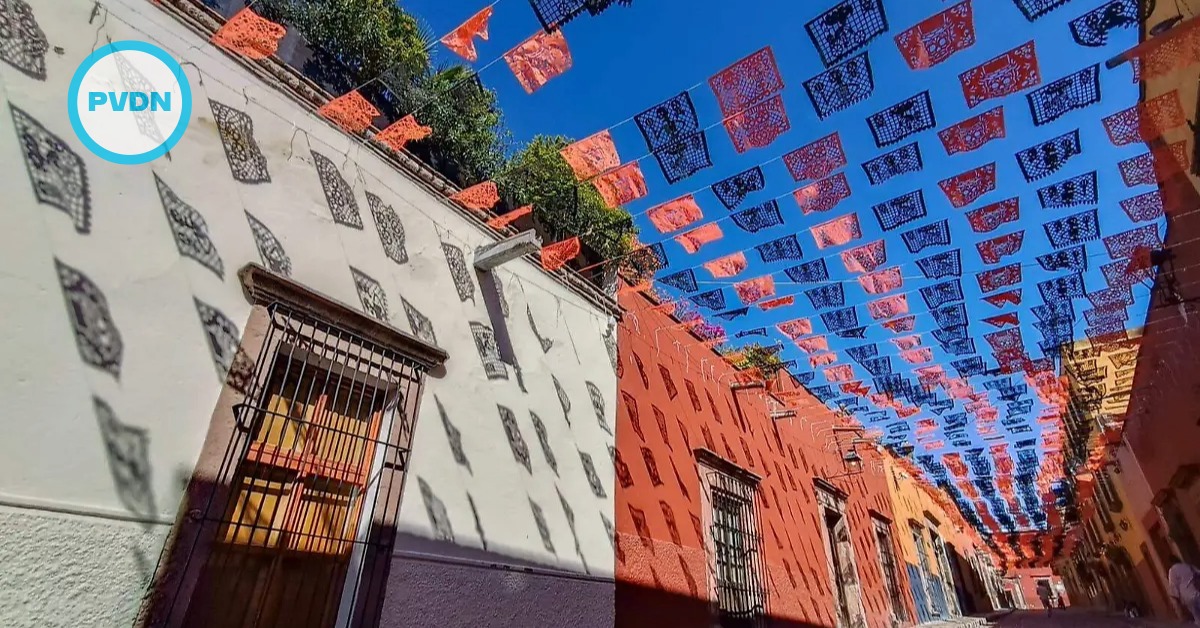
Jesús Street is glowing again. Neighbors strung bright papel picado, reviving the Day of the Dead mood in one of San Miguel de Allende’s most photographed corridors. Their small intervention drew families, vendors, and visitors who paused to take it in, a reminder that the city’s most loved scenes often start with residents, not permits.
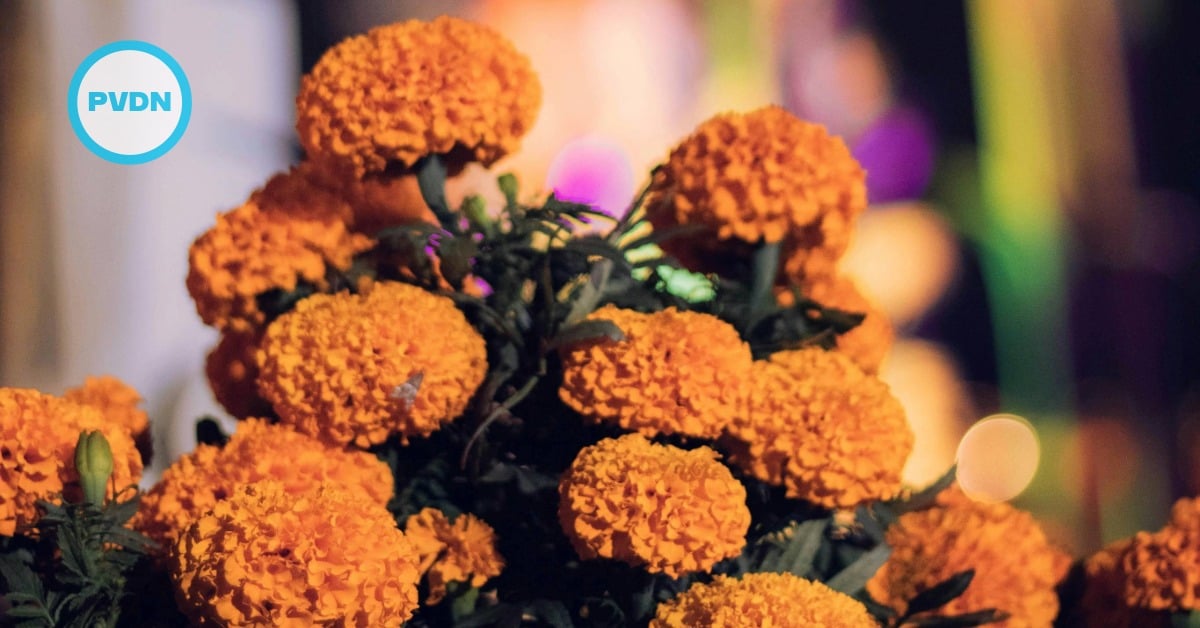
The spark came from a simple decision: do it ourselves. As reported locally, residents moved ahead with their own decorations even as much of the Centro Histórico looks barer than in past years. You can feel it on the block—voices, marigolds, paper shadows shifting in the wind—an everyday street turned into a seasonal walkway.
Papel picado isn’t just pretty. It’s a signal that memory is welcome here. Children point at skulls punched into paper. Parents tell stories about grandparents. Business owners sweep the curb a little earlier. The whole block becomes a moving ofrenda, and you can watch the mood change in real time.
What changed citywide
This year’s lighter look didn’t come out of nowhere. In July, the city prohibited decorative doorframe adornments in the Centro Histórico, a heritage zone where image-protection rules are strict. That policy removed many floral frames and photo-op doorways that had multiplied in recent years, and it’s part of a broader effort to protect facades in the UNESCO-listed core.
Officials say preservation matters. The historic center is a federally protected “Zona de Monumentos Históricos,” where alterations to facades are tightly controlled to safeguard the city’s fabric over time. Those protections shape what residents and businesses can attach to walls, doorways, and windows—especially during high-traffic seasons.
That leaves streets like Jesús to find a middle path: keep the soul, respect the stone. Banners overhead, removable ties, and community-led displays can meet the moment without drilling into 18th-century cantera. The result is quieter than the floral arches that once packed Instagram, but it feels closer to the heart of San Miguel—neighbors doing what they’ve always done, together.
Festivities aren’t going anywhere. Guanajuato’s official calendar lists San Miguel’s seasonal events running at the end of October and early November, including family-friendly activities and traditional displays. Expect altars, catrina processions, and candlelit evenings—less spectacle on some doorways, perhaps, but plenty of spirit in plazas and parks.
On Jesús Street, the message feels clear. If regulations trimmed the city’s décor, neighbors answered with color and care that belong to everyone. The paper flags won’t last long. The feeling will. And that may be the best measure of a tradition that’s alive.