An environmental group says Playa del Carmen developers still build first and fix permits later, urging tougher oversight and citizen reporting.
Playa del Carmen’s building frenzy is once again under scrutiny. Local environmental group Moce Yax Cuxtal is warning that Playa del Carmen developments are still moving ahead without fully respecting environmental rules, even after new laws were passed to tighten oversight.
Laura Patiño Esquivel, the association’s representative, says the pattern has barely changed over the past decade. Developers begin clearing land or pouring foundations, she argues, and only worry about permits once residents notice the damage. By then, forest patches have been stripped, wildlife pushed out and sinkhole-rich ground disturbed.
Warning over Playa del Carmen developments
Moce Yax Cuxtal is not a newcomer to this fight. The nonprofit was founded in 2000 in Playa del Carmen and has spent more than two decades defending the region’s natural heritage, from urban trees to coastal ecosystems. Its projects include urban tree protection, environmental education and support for small organic gardens in schools, homes and tourist areas.
Patiño Esquivel says the group has repeatedly requested files from the federal Environment Ministry, Semarnat, on real estate and public works that appear to have been approved with little or no serious impact analysis. Many sites, she says, “appear from one day to the next,” already fenced and cleared, with neighbors left guessing who authorized them and under what conditions.
According to the association, the problem is not just the behavior of individual builders. Patiño argues that past megaprojects backed by the federal government, which cleared large areas of jungle with rushed or disputed environmental studies, set a precedent that private developers now copy. When authorities look the other way on big projects, she says, smaller players learn they can also gamble on “building first and asking forgiveness later.”
On the ground, Moce Yax Cuxtal volunteers and allied residents often act as the first line of oversight. They visit suspicious worksites, ask to see environmental impact statements and file formal complaints when permits are missing or incomplete. The group insists that this should be the job of inspectors, not citizens, but says community pressure is often the only reason stalled files resurface or closures are ordered. Ruptura360+1
Citizen pressure versus weak enforcement
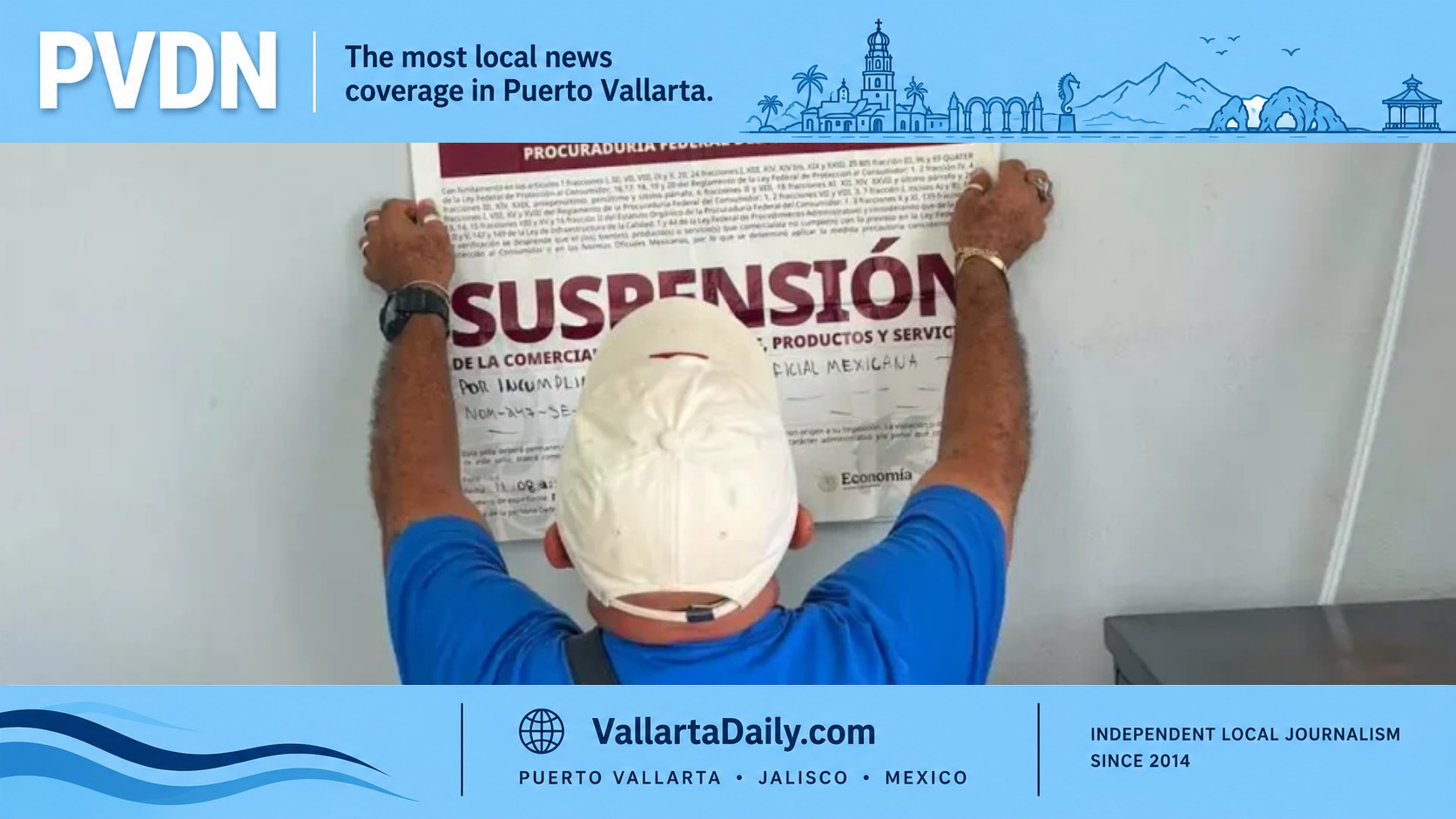
Recent cases around Playa del Carmen show how often enforcement depends on public complaints. In June, federal inspectors shut down construction on the Marsella IV residential subdivision after confirming inconsistencies in its environmental impact statement. The Urban Cenotes collective had denounced that the developer’s study listed only a handful of wild species on site, while field work documented more than 200, including animals pushed into nearby roads as habitat disappeared.
In November, city officials closed a land-clearing project along Avenida Xcalacoco in north Playa del Carmen for the second time in a month. The company had a municipal permit to clear a limited area for a perimeter wall. Still, inspectors said it failed to meet basic conditions, including reporting caves, cenotes or protected fauna uncovered during the work. After neighborhood protests over tree removal, the municipality applied fines and referred the case to the federal environmental prosecutor, Profepa, to ensure future compliance.
Another high-profile example came earlier this year in Playacar, where state regulators froze the Legacy by AWA upscale project and revoked its environmental authorization after failures that harmed local wildlife. Local authorities also began procedures to undo illegal works on the site. Together, these cases show that closures do happen—but usually only after damage and public outcry.
The legal framework has strengthened on paper. In 2024, Quintana Roo reformed its Ecological Balance Law so that every real estate transaction requires an Environmental Impact Statement, known as an MIA. Environmental experts welcomed the move but warned it would expose how many projects had been operating outside the rules. One analysis found that while roughly 30 MIAs were requested in a quarter, the number of real estate transactions in the state’s registry was two to three times higher, suggesting a large gap between what the law requires and what is actually reviewed.
For Patiño Esquivel and her colleagues, that mismatch is visible on the streets. They describe a city where new subdivisions, walls and commercial buildings push deeper into the jungle and toward marginalized neighborhoods that still lack basic services like water and reliable electricity. In their view, every new irregular project adds pressure to a system already struggling to keep up.
Despite that, the group is not calling for a halt to all construction. Patiño stresses that Playa del Carmen depends on tourism and housing, but says those sectors must stop treating environmental rules as optional. She urges engineers, architects and investors to view impact studies as the starting point for a project, not a box to tick once most of the work is done. When they skip that step, she warns, they are “finishing off the goose that lays the golden eggs” that made the destination attractive in the first place.
Moce Yax Cuxtal also wants ordinary residents to keep documenting what they see. The group encourages people to photograph suspicious clearing, note dates and locations, and file reports with municipal and federal agencies. Many of the recent closures in Playa del Carmen began with those citizen alerts. But the association argues that relying on constant vigilance from neighbors is not sustainable; it wants regulators to conduct more routine inspections and to make permit information easier to access online.
For now, the tension between rapid growth and fragile ecosystems remains unresolved. Tourist demand and real estate investment continue to pour into the Riviera Maya, while watchdogs like Moce Yax Cuxtal try to slow the most damaging projects, case by case. Their latest warnings suggest that, without more vigorous day-to-day enforcement, even stricter laws will not be enough to keep Playa del Carmen’s boom from eating away at the natural assets it depends on.