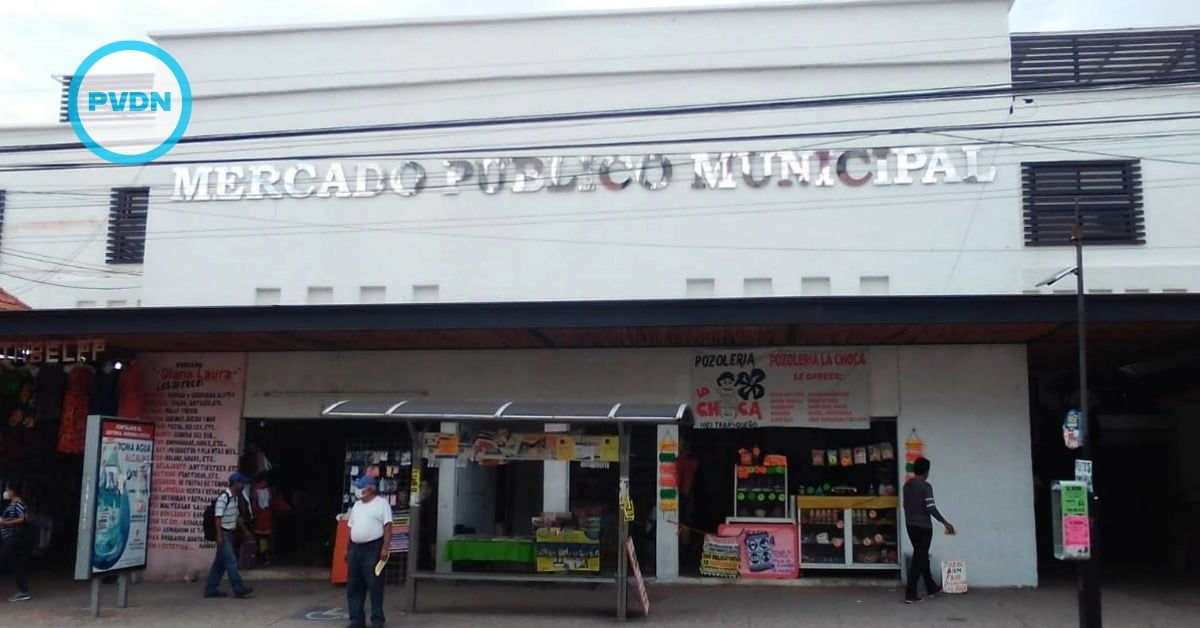
The market, which was supposed to be a community anchor, still has shuttered stalls and a locked second floor. City officials now say they’ll push for funding in next year’s budget to fix it finally. Locals have heard promises before and want action, not another plan. If the 2026 funds arrive, the market could get structural repairs and a real shot at bringing vendors back. If not, another season may pass with lights off upstairs and fewer reasons for shoppers to return.
Diana Laura Riojas market
Playa del Carmen’s most talked-about public market sits at Avenida 30 and Calle 72 in Colosio, with too many doors still down. Market director Jesús Antonio Pérez Ayala acknowledged that many stalls remain closed—especially upstairs—and said the city will try to include funds in the 2026 budget to rehabilitate the space and revive commerce. He added that tourism promotion must wait until the basics are fixed. These points were outlined in a report published today, Oct. 29, 2025.
The sticking points aren’t new. Vendors warned earlier this month that the building needs work before it’s pitched to visitors, noting that the second level has sat unused while the ground floor also has empty bays. Their ask was simple: repair, assign, reopen. Only then, they said, should anyone talk about tour routes or branding.
The market’s paper trail shows flickers of progress. City records indicate concession certificates were delivered to several vendors in February 2024, alongside mentions of roof repairs and a push to tighten market rules. Those steps gave some legal certainty, but they didn’t unlock the idle upper floor or solve day-to-day problems like low foot traffic and a patchwork of shuttered locales.
What 2026 money could change
Suppose the funding is included in Solidaridad’s 2026 budget and approved. In that case, the priorities are likely structural fixes, safe utilities, bathrooms, drainage, and stair access—work that would let the city reassign and activate long-inactive spaces. Officials have floated the idea of bringing back the tourism angle later. Still, the market needs to work for residents first: dependable hours, open stalls, clear assignments, and a clean, well-lit interior.
Residents have reason to be cautious. Past announcements about reopening the second floor never fully materialized, and the upstairs area remains the symbol of promises pending. Still, the city has publicly tied its name to a 2026 budget push. If it follows through, vendors could see a path to steady sales again; if it doesn’t, the market risks another year of missed potential. Today’s statement is a marker. Delivery—permits, contracts, and on-site work—will tell the real story.