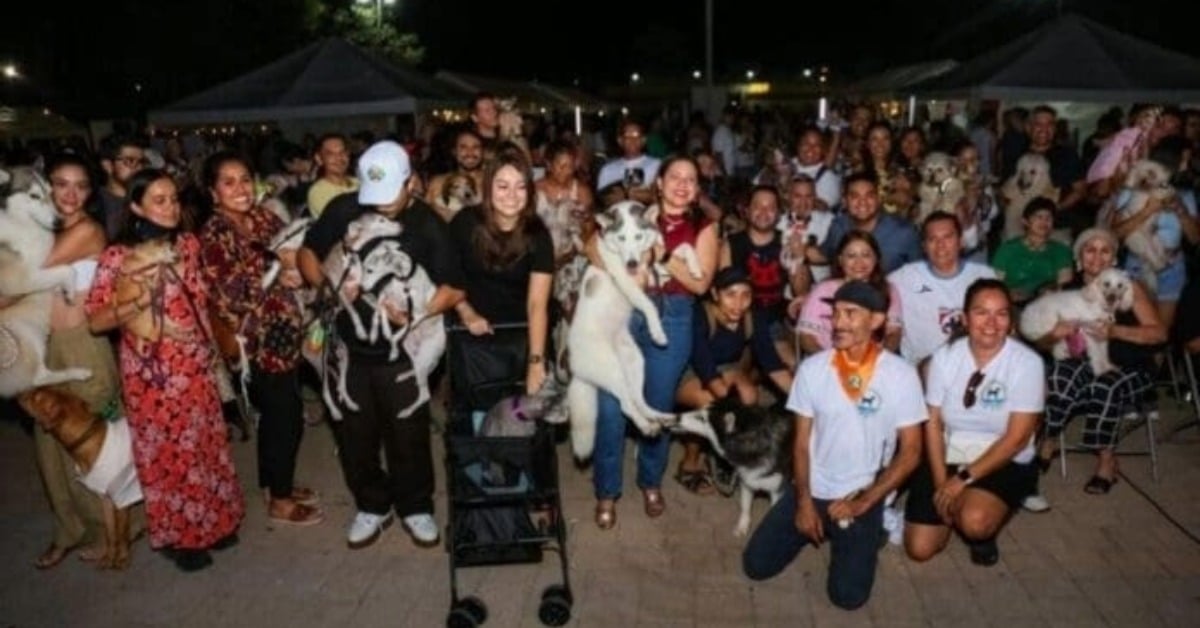
Playa del Carmen’s first Dog Beach Festival wasn’t a small pilot. It filled the Plaza 28 de Julio on Saturday, August 23, from 5 to 10 p.m., with families, vendors, rescue groups, and a steady shuffle of paws. The city organized the event with the Dog Beach collective and framed it as part of a broader, year-round bet on pet-inclusive tourism.
Municipal officials highlighted animal welfare as policy, not décor. The administration of Mayor Estefanía Mercado backed the launch, with DIF honorary president Eduardo Asencio on hand. The Social Development and Economic Development secretariats promoted the festival; the city’s tourism chief, Estefanía Hernández, connected it to a new route for travelers who won’t leave pets at home. Local outlets Noticaribe and Quinta Fuerza reported a strong first edition and credited the city for the push.
Dog Beach Festival Playa del Carmen
Programming was simple and popular: adoption drives, small business stalls, training tips, and contests that gave kids and dog owners a reason to linger in the downtown square. The city also used the stage to introduce its Ruta Pet Friendly, a local map of businesses and spaces that already welcome animals and agree to basic care standards. Early stops include Playa 72, Parque Fundadores, sections of Fifth Avenue, and cafés and shops such as Francesca Catalina and Somos Crisol.
The bet tracks with a market that keeps expanding. Independent research firms estimate the global pet-travel-services segment is growing between roughly 9 and 10 percent a year this decade, driven by higher pet ownership and hotels and transport making room for animals. For destinations competing on experience, pet-friendly policies have become part of the offer, not an afterthought. Mexico’s federal tourism ministry has also framed pet-friendly activity as an economic contributor when cities plan it well.
The local anchor is Playa 72, which the city approved last year as Playa del Carmen’s official pet-friendly beach. The designation followed collaboration with Dog Beach and animal-welfare advocates. Basic rules apply: keep dogs leashed when entering and exiting, pick up waste, and ensure up-to-date vaccines and deworming. These measures stem from Solidaridad’s animal-welfare regulations and municipal beach use guidance.
Residents have pressed for clearer, codified on-beach norms as usage grows. Dog Beach volunteers have discussed hours, signage, and shared-space etiquette to reduce conflict and protect the shoreline. News reports this year noted proposals to harmonize beach rules with the animal-welfare code so future administrations can’t roll them back casually. That policy work sits in the background of the festival’s upbeat debut.
For businesses, the festival felt like a test of whether pet-friendly tourism can pull real traffic beyond a single beach. With the route’s first partners named and a visible city hand on logistics, Playa del Carmen signaled it wants that traffic year-round, not just during special events. Regional outlets and the city’s own communications described the inaugural edition as a success and hinted at future editions. The Dog Beach collective says it’s ready to help grow it.
The takeaway is straightforward. Playa del Carmen didn’t just host a cute event. It staked out a lane in a competitive tourism market by making room for an authentic slice of travelers’ lives. If officials keep the rules clear, keep the signage visible, and keep the route current, the festival can be more than a party—it can be an on-ramp to a cleaner, kinder, and more predictable pet-inclusive city.