A new siren is joining the soundscape of San Miguel de Allende, and it’s not just for show. A freshly donated fire truck is now in the hands of the city’s frontline crews, quietly changing what can happen in the first minutes of a call. Behind the glossy paint is a story about community muscle, the realities of serving far-flung neighborhoods, and why one additional vehicle can ease the pressure on a stretched team. What this unit can do—and what it still can’t—matters to everyone who calls this city home.
A donation that shows up when seconds count
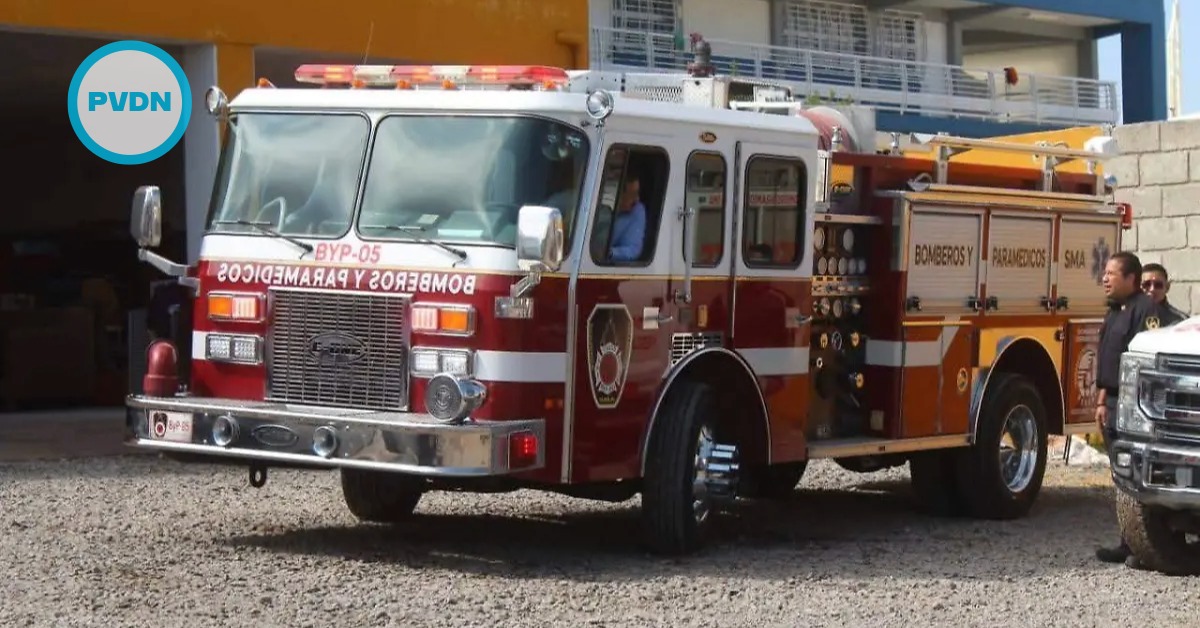
San Miguel’s firefighters and paramedics have added a new fire truck to their lineup, an E-ONE Protector 91 donated by local resident José Fernando Carbajo Jiménez. The unit, identified as BYP05, is now part of the city’s emergency response fleet—another set of wheels, hoses, and hands-on capacity when the radio crackles and the clock starts.
For residents, that matters in a simple way: emergencies don’t line up politely. When calls stack up—an accident on a highway approach, a kitchen fire, a brush blaze pushed by dry-season wind—one more ready unit can be the difference between a fast first attack and a delayed second option.
The challenge of covering a spread-out municipality
San Miguel de Allende is not just its postcard-perfect historic center. The municipality stretches into outlying neighborhoods, ranches, and road corridors where response times are shaped by distance, traffic, and terrain. A larger fleet helps crews make smarter choices about what to send and what to hold in reserve, especially when incidents happen far apart.
This is also the season when fire risk tends to climb. Guanajuato’s dry months can turn a small grass fire into something that demands more water, more personnel, and more trips back and forth to keep it contained. Adding a dedicated fire apparatus strengthens the city’s ability to respond without exhausting the same vehicle on repeated runs.
A big upgrade, with the usual hard work behind it
A donated truck doesn’t instantly solve every problem. Crews still need training time, maintenance plans, and the budget basics—fuel, tires, replacement parts—to keep it reliable. The organization receiving the vehicle described the arrival as the result of months of effort, which aligns with the reality of bringing any heavy apparatus into service: paperwork, inspections, outfitting, and ensuring it’s ready for the kinds of calls San Miguel actually gets.
For many expats, the takeaway is practical. If you live in a hillside neighborhood, a gated development, or outside the core, the strength of emergency response is always a mix of equipment and coordination. This new unit improves the equipment side of that equation—and it’s a visible reminder that, in San Miguel, community support often plays a direct role in public safety.
With information from El Sol del Bajío (OEM), Bomberos y Paramédicos SMA, E-ONE (manufacturer site), Gobierno de Guanajuato SSP (PDF on wildfire season/context), Periódico Correo (recent fire workload context)