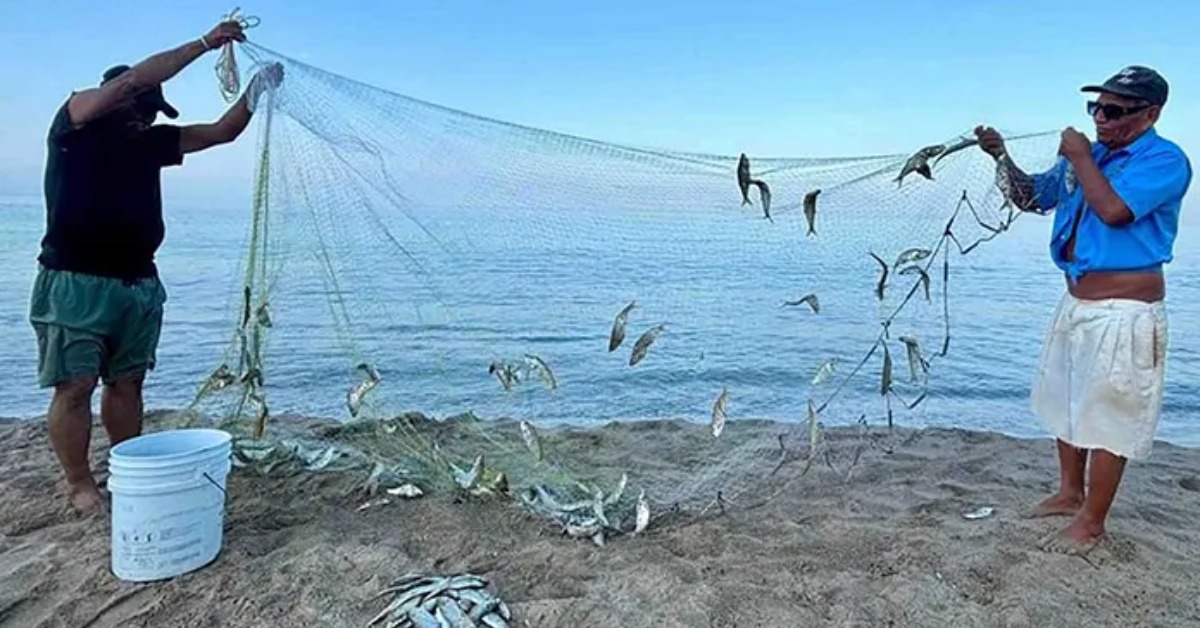
Regional fishing cooperatives are watching the Pacific with concern as El Niño conditions may develop later this year. Local fishers say recent catches have already fluctuated with changing sea temperatures. If warmer water takes hold, some species could move deeper or farther away, making daily catches less predictable. The warning also points to a larger issue for coastal communities: small fishing operations are often among the first to feel the effects of changes in the ocean.
Regional fishing cooperatives fear El Niño impact
Regional fishing cooperatives are warning that El Niño could bring a difficult second half of the year for coastal fishers along the Puerto Vallarta region.
Antonio Güereña Garibaldo, a representative of fishing cooperatives in the area, said local catches have already shown normal seasonal swings during the first months of 2026. He said January and February brought stronger catches, while March and April saw a noticeable decline.
The concern now is what may happen later in the year if warmer Pacific waters develop as forecast. Local fishers say even small changes in ocean temperature can change where fish gather, what species are caught, and how much product reaches docks and markets.
For coastal families who depend on small-scale fishing, it can affect more than the day’s catch. It can affect fuel costs, market supply, restaurant prices, and household income in fishing communities.
How warmer water changes the catch
Fishers in the region are used to reading the water through experience. Cooler water often brings one set of species. Warmer water can bring another.
According to Güereña Garibaldo, colder conditions tend to favor catches of guachinango, while warmer water can bring more mojarra and other species associated with higher temperatures. That shift does not always mean there are no fish. It means the ocean becomes less predictable for those working close to shore.
El Niño can make that uncertainty sharper. During El Niño, warmer surface water spreads across parts of the central and eastern Pacific. In many coastal areas, this can weaken the normal rise of colder, nutrient-rich water from the deep ocean.
That process, known as upwelling, feeds phytoplankton at the base of the marine food chain. When upwelling weakens, there can be less food for small fish. Larger fish that depend on them may move, scatter, or become harder to find.
This is why El Niño can affect both the type of fish caught and the volume landed. Some species may move into deeper or cooler areas. Others may shift along the coast. Some warm-water species may become more common for a time.
The local warning is tied to a broader climate outlook
The warning from regional fishing cooperatives comes as climate agencies continue to monitor the Pacific.
The latest official outlooks do not treat El Niño as a certainty at every stage. They do show rising odds of El Niño conditions developing during 2026 and possibly lasting into late 2026.
That distinction matters. A forecast is not the same as a guarantee. Ocean and wind conditions still need to line up for El Niño to fully develop and strengthen.
Still, fishers often need to plan before forecasts become certain. Boats, gear, fuel, crews, buyers, and family budgets all depend on expectations for the coming season.
For small cooperatives, a weaker catch can be difficult to absorb. Larger operators may have more flexibility to move, store, or shift products across markets. Local fishers working near the coast often have fewer options.
What this could mean for Puerto Vallarta and nearby communities
Puerto Vallarta is not only a tourist city. It is also part of a broader coastal economy in which fishing, seafood sales, restaurants, and marine services overlap.
If catches fall or become less predictable, the effects can move through that local chain. Fishers may spend more time and fuel searching for the product. Buyers may see less consistent supply. Restaurants may rely more on different species or higher-priced seafood from outside the area.
For residents and visitors, the most visible effect may be at markets and menus. A favorite local fish may be less available, more expensive, or replaced by another species. That does not always signal overfishing or a supply failure. Sometimes it reflects a temporary shift in ocean conditions.
The larger concern is income stability for fishing families. A few poor weeks can matter when work depends on daily landings. A weak season can be more serious.
El Niño does not affect every species the same way
One reason El Niño is hard to explain is that it does not produce one simple result.
Some fish suffer when warmer water reduces nutrient availability and shifts feeding areas. Others may expand into places where they are not usually common. The same event can hurt one fishery and help another, depending on species, location, depth, and timing.
That creates a management challenge. Fishers may need to adapt quickly, but authorities also need to avoid pressure on vulnerable species. A sudden increase in one type of fish does not always indicate a stronger population. It may only mean the species is easier to catch for a short period.
This is where fisheries monitoring becomes important. Catch reports, water temperature data, species tracking, and local observations can help officials and cooperatives understand what is changing before losses deepen.
Adaptation is becoming part of the conversation
Güereña Garibaldo also pointed to the idea of artificial upwelling, a concept designed to bring colder, nutrient-rich deep water closer to the surface. The goal is to support phytoplankton growth and improve local marine productivity.
Such projects are still complex. They require scientific review, investment, monitoring, and careful environmental controls. But the fact that fishers are discussing them shows how climate pressures are changing how coastal communities think about the future.
For now, the immediate concern is practical. Fishers are watching water temperatures, species behavior, and catch volume as the region moves toward the second half of 2026.
If El Niño strengthens, the Puerto Vallarta region could see a fishing season shaped not only by effort and experience, but by a warmer Pacific that changes where the fish are.