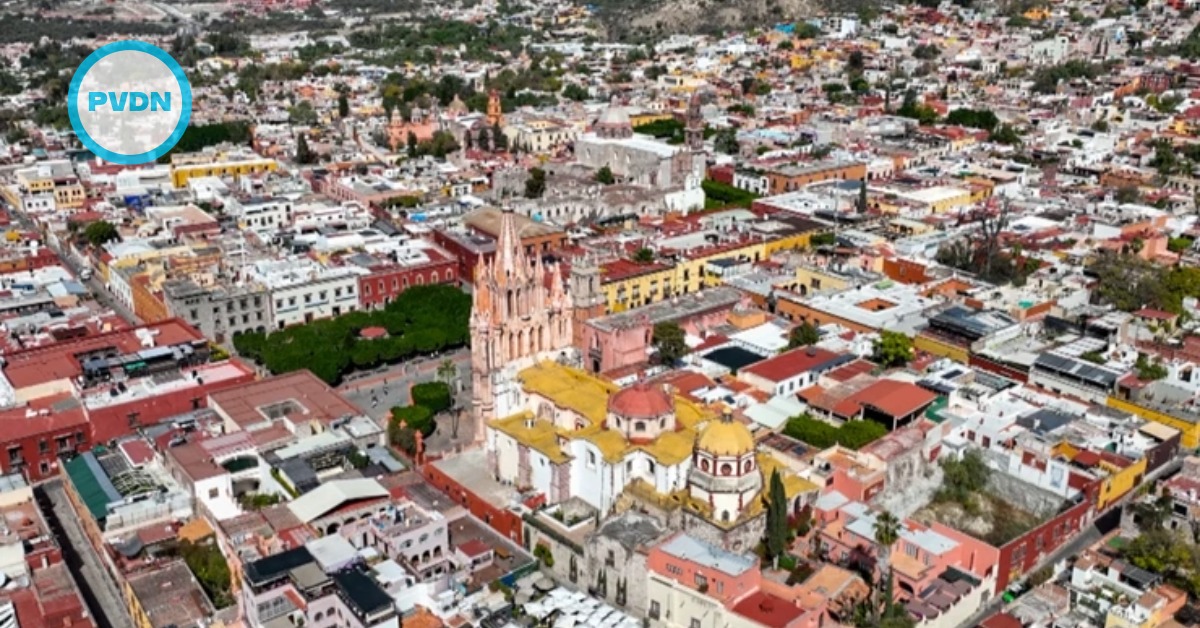
San Miguel de Allende is used to visitors. This week, it’s welcoming a different kind. A group of European ambassadors arrives with a two-day agenda that mixes public conversations with closed-door meetings and a few carefully chosen cultural stops. The city says the goal is bigger than ceremony: to test whether local voices can shape international cooperation. What exactly is on the table, and what could it mean for residents who call San Miguel home?
San Miguel steps into a diplomatic spotlight
San Miguel de Allende will spend Feb. 12 and 13 doing something it does well: hosting the world. City officials say the town is the Mexican stop for the European Ambassadors 2026 program. It brings envoys and senior representatives from 11 European countries. Officials from the European Union’s delegation in Mexico are also expected. The guest list includes Germany, Austria, Belgium, France, Greece, Hungary, Ireland, Italy, Poland, the Czech Republic, and Slovakia. That matters in a town where many residents are foreign-born, and where international ties feel personal. For a place better known for galleries and rooftop dinners, the visit is a reminder that culture can be diplomacy. The municipality points to three reasons the program landed here. It cites institutional stability, proven logistics, and UNESCO World Heritage status granted in 2008. The timing is also notable. San Miguel recently hosted a bilateral meeting with U.S. lawmakers. Local leaders say the back-to-back visits put the city on an unusually busy international track.
What the ambassadors will do in two days
Organizers describe the two-day schedule as a mix of public and private conversations. Part of the program is billed as open conferences for the general public. It is a rare chance to hear diplomats speak in a town-hall setting. Another part is working sessions with local stakeholders. That includes municipal authorities and representatives from cultural, academic, and social organizations. The city has framed the visit as a way to strengthen dialogue between Europe and Mexico. It points to analysis and cooperation on issues both sides share. Specific themes have not been widely published. Still, officials say the emphasis is on practical cooperation, not ceremony. On Friday, Feb. 13, Mayor Mauricio Trejo is set to host a working breakfast with the delegation. The municipal government says he will outline a policy of international openness and ongoing collaboration. For many expats, that approach feels familiar. San Miguel’s daily life already runs on bilingual exchanges and visiting networks. The question now is whether this higher-level visit leaves a lasting footprint.
Why it matters beyond the photo op
At first glance, a diplomatic visit can feel like background noise. Motorcades come and go, and the city looks the same by Sunday. Yet local leaders are pitching this stop as more than symbolism. In their framing, the goal is to cast San Miguel as a bridge. It is a place where culture, development, and diplomacy can meet. For a community built on tourism and international residents, that narrative has real value. It can open doors for cultural exchanges, academic partnerships, and business introductions. Those links rarely form during a normal long weekend. The presence of the European Union’s delegation also matters. It signals interest from a bloc, not just a single embassy. Still, outcomes will depend on follow-through after the cameras leave. Residents should watch what happens after Feb. 13. Will public talks be shared, and will local groups be invited back? A two-day agenda is easy to host. Turning it into lasting relationships is the hard part.