For many visitors, Mexico’s street food is as tempting as it is intimidating. You’ve heard the warnings: the dreaded “Montezuma’s revenge” lurking in every taco. Yet in every Mexican plaza, locals and expats happily savor tacos and tamales with smiles, not worry. So what’s their secret? It turns out enjoying street food safely isn’t a matter of luck. It’s about knowing what to look for and following a few simple habits. Read on to discover how to relish Mexico’s street cuisine without fear.
Why You Shouldn’t Skip Mexican Street Food
That taco stand on the corner might look risky to an outsider, but it could serve the best meal of your trip. Street food is an integral part of life in Mexico. In fact, traditional Mexican cuisine – including street food – is recognized by UNESCO as Intangible Cultural Heritage of Humanity. Big-city professionals in suits stand shoulder-to-shoulder with construction workers on their lunch break at popular food stalls. Street food truly brings people from all walks of life together. The reason is simple. Many of the most authentic, flavorful dishes in Mexico are found not in fancy restaurants, but at humble market fondas and street carts. By skipping street food, you risk missing out on a core piece of Mexican culture and some truly unforgettable bites.
Yet many foreign visitors hold back, often out of fear. Stories of travelers getting sick – the infamous “Montezuma’s revenge” – can loom large in the imagination. It’s true that stomach troubles are a common travel ailment worldwide, and Mexico is no exception. However, the reality is far less dire than the horror stories suggest. Most cases of upset stomach are mild and pass in a few days. Seasoned expats in Mexico often shrug off the fearmongering. They know that with a bit of common sense, anyone can enjoy street eats regularly without issues. In other words, you don’t need to avoid street food. You just need to be smart about choosing it and handling it.
Street Food Safety: Myth vs. Reality
Let’s tackle the big question: Is it actually safe to eat street food in Mexico? The answer is a resounding yes – if you follow the same basic food safety habits that locals do. The notion that all street food is a gamble is a myth. In reality, a busy taco stand that cooks meat fresh to order may be safer than a quiet touristy restaurant where food sits around. Why? Popular street stalls thrive on reputation and repeat customers. Vendors know if they consistently made people ill, word would spread and they’d lose business. The high turnover at busy stands means ingredients are fresh and haven’t been lingering long enough to spoil.
It’s also important to understand the real sources of risk. Many travelers assume that any sickness must have come from “dirty” street food. But studies and local wisdom reveal something interesting: many tummy troubles come from how we eat, not just what we eat. Think of all the surfaces you touch while exploring – money, bus rails, doorknobs. If you grab a taco and eat it with unwashed hands, you might get sick. In such cases, the taco isn’t to blame – it’s the germs on your fingers. Similarly, ice in a drink made with tap water can upset you, even if the food itself is perfectly fine. In short, street food isn’t inherently dangerous; contamination can happen anywhere. By being mindful of hygiene (both yours and the vendor’s), you can significantly reduce the risk.
None of this is to say foodborne illness never happens. Bacteria like E. coli are indeed a leading cause of traveler’s diarrhea and can be present when food or water is handled unhygienically. But knowing this leads us to the solutions. When Mexicans eat street food, they unconsciously follow certain rules to stay safe. It’s about picking the right stall and practicing a few good habits. It’s not about luck, and it definitely doesn’t mean avoiding street food altogether. Let’s look at how you can do the same.
Choosing Safe Street Eats
The first step to stress-free street dining is choosing your vendor wisely. One golden rule: eat where the locals eat. If a stall or little comida stand has a line of local customers, that’s the best endorsement you can get. A constant crowd means the food is delicious and that people trust it. In particular, a mix of customers – families with kids, office workers, taxi drivers – suggests the food agrees with a broad range of stomachs. By contrast, approach a completely empty stand with caution. There might be a reason people are staying away.
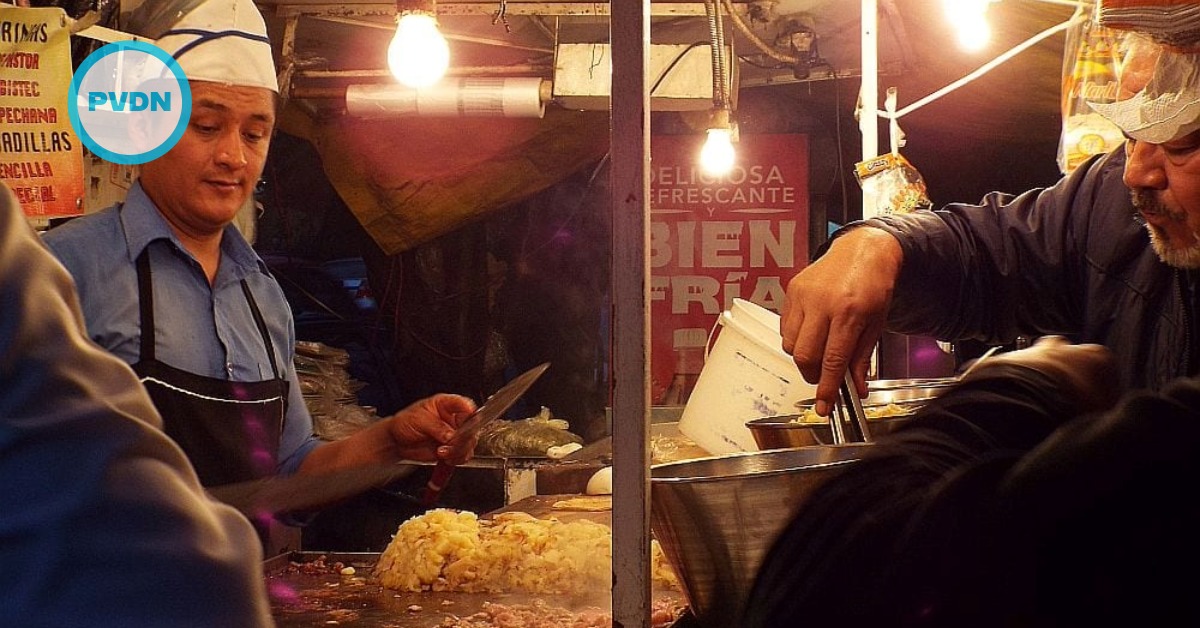
Beyond popularity, use your senses and observation skills. Take a look at how the vendor operates. Is the cooking area reasonably clean and tidy? Street kitchens are outdoors and rustic, but basic cleanliness is a must. Good signs include the cook wearing gloves or using separate hands/utensils to handle money and food. Many veteran taco masters have an assistant solely to handle cash, so the cook never touches money mid-service. If you notice the same person taking payments and immediately grabbing food (with bare hands), that’s a red flag. Also, glance at how ingredients are stored. Are perishable items like raw meat or cheese kept on ice, or are they cooked promptly? Or are they sitting out in the sun? Food that’s held unrefrigerated for hours is asking for trouble. Favor stalls that keep food hot on the griddle or cold in a cooler until served.
When you get your food, it should ideally be piping hot. Heat kills many potential germs. A fresh-off-the-grill carne asada taco or a bowl of stew that’s still steaming is generally safe. Conversely, lukewarm dishes that should be hot are not worth the risk. For example, avoid soup that’s merely warm or taco fillings that have gone cold. Likewise, cold items should be truly cold. For example, if you order a fruit cup or ceviche, the vendor should pull it from a chilled container, not a room-temperature bowl. In Mexico’s climate, proper temperature matters.
Don’t be shy about using your nose and eyes as well. Does something smell “off” or look undercooked? Trust your instincts and walk away if that’s what you feel. Mexicans take pride in their food, and a reputable vendor won’t be offended if you politely decide not to order. There are plenty of other options around.
Habits of Savvy Street Food Lovers
Picking a great vendor is half the battle. The other half is adopting a few simple habits to protect yourself – basically, doing as the locals do. One habit you’ll notice is that Mexicans almost always wash or sanitize their hands before eating, especially at street stalls. In the hustle of travel, it’s easy to forget this step, but it’s crucial. Carry a small bottle of hand sanitizer and use it before you dig into those tacos, particularly if you’ve been handling cash. Many popular street stands even keep a pump bottle of hand gel on the counter for customers – take advantage of it. Clean hands can help prevent an upset stomach more than you might expect.
Another local habit is timing. Street food in Mexico follows a daily rhythm. Dishes appear and disappear at different times. Savvy eaters know to eat at peak times when turnover is highest. For example, hit up the morning tamale cart early, when the tamales are fresh out of the steamer. If you’re craving birria (a rich beef stew), go right at lunchtime when that stall is busiest, and the pot is piping hot. By 4 PM, that same stew sitting in the pot might not be as safe. Similarly, the best taco stands fire up in the evening and stay busy late into the night. You’ll want to visit them when everything is being cooked and served rapidly, not during a lull. Eating on a local schedule not only means better flavor, but it also ensures you aren’t getting the leftovers of the day.
Be mindful of what you drink, too. Tap water in Mexico is generally not safe for visitors to drink. Even locals stick to filtered water — you’ll see big garrafones (jugs) in every home and restaurant. So, be cautious with drinks at street stalls. A freshly blended juice or horchata might seem harmless, but if it’s mixed with unfiltered water, it could cause problems. Opt for stands that use purified water. If you’re unsure, you can even ask, “¿Es agua purificada?” In fact, many stalls will advertise that their ice or water is filtered. When in doubt, choose sealed bottled drinks. Or stick to beverages made with boiled water, like coffee or tea. If you crave an agua fresca (fruit drink) from a street vendor, choose one who is popular and has a fast turnover. Chances are, they’re making it with clean water because local customers demand it. A little caution with liquids goes a long way.
Now, let’s talk about those garnishes and sauces on the counter. The array of salsas, chopped onions, and cilantro is part of the full street taco experience. Generally, these are safe if the stall is busy (meaning they’re replenished often). But if you’re nervous, take a page from local wisdom. Squeeze lime liberally on your food. Nearly every taco or snack in Mexico comes with lime wedges. Beyond adding great flavor, lime’s acidity is popularly believed to help kill some bacteria. While it’s not a foolproof sanitizer, it doesn’t hurt – and it makes your taco taste even better. So pile on the cilantro and onions if you like, douse it all with a squeeze of lime, and enjoy.
One more tip: if you have a very sensitive stomach or just want extra assurance, try street food at established markets (mercados) first. Mercados have permanent stalls (often with running water) and regular clientele, which can give newcomers more peace of mind. Mercado food stalls offer a happy medium between street food and restaurant fare. They have semi-permanent setups, access to running water, and a regular clientele. You can sit down at a counter and watch your food being prepared on the spot. Many expats find their confidence by first eating at a bustling market fonda, where grandma is cooking up the daily lunch menu. The setting feels a bit more structured, but the food is just as authentic. Once you’re comfortable there, the truly “on-the-street” experience will feel less daunting.
Embrace the Experience
Armed with some knowledge and common sense, you can approach Mexico’s street food scene with excitement instead of anxiety. Start small if you must. Maybe begin with a cup of fresh fruit (peeled on the spot) or a quesadilla made in front of you. See how enjoyable it is to eat shoulder-to-shoulder with locals. Chat with the vendor, ask other patrons what’s good, and you’ll find that a whole world of flavor and culture opens up to you.
Remember, millions of Mexicans eat this way every day. They know one simple fact. Choosing a good taco stand and keeping your hands clean is usually all it takes to feast safely. If you do happen to feel a twinge in your stomach one day, it’s usually just a minor bump on the journey. Most healthy people recover quickly, and it’s often hard to pinpoint if it was even the food. Don’t let fear keep you from enjoying one of Mexico’s greatest joys. With these precautions in mind, you can confidently wander the markets and street corners, sampling treats like a local. Go make some delicious memories – no stomach medicine required.