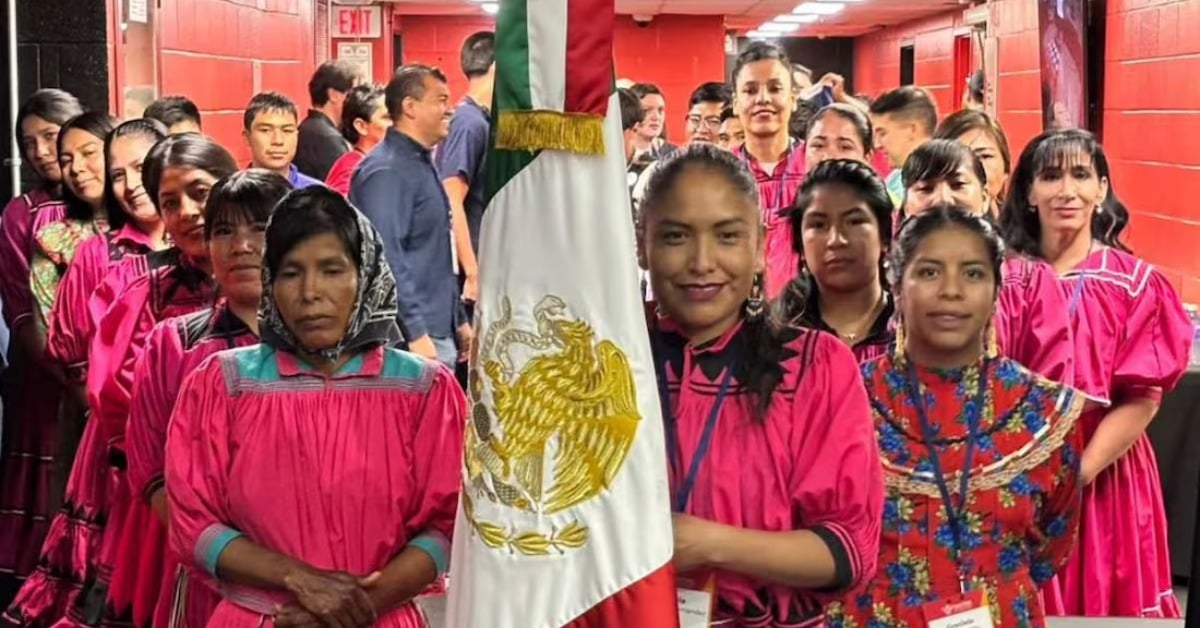
Foreign Affairs honors Indigenous Games athletes
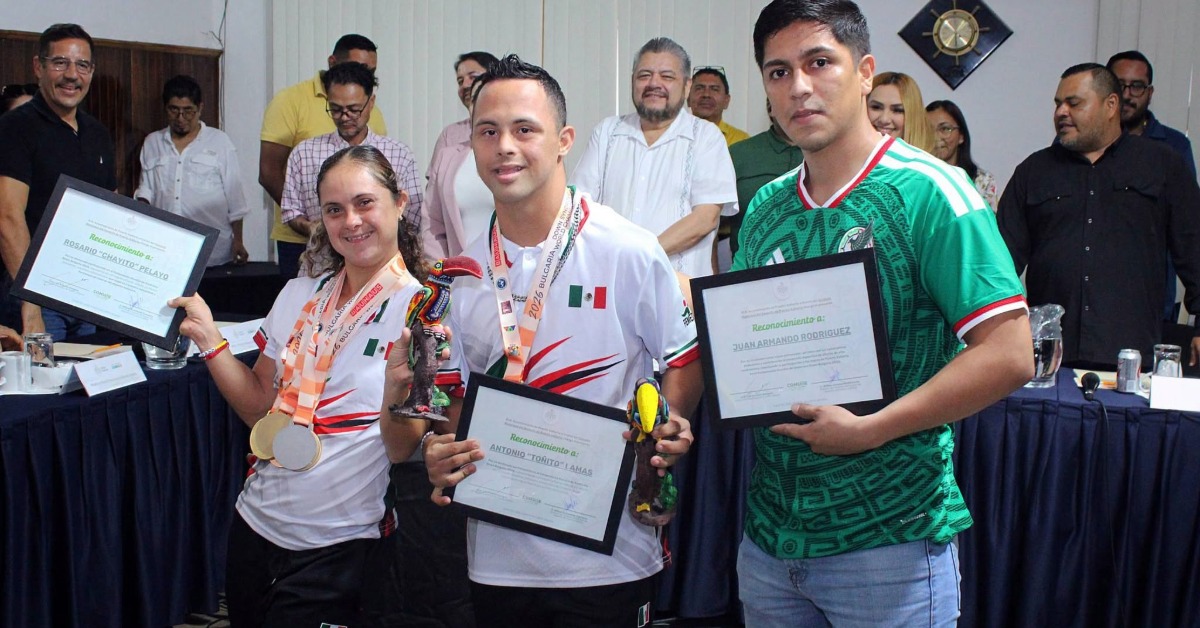
On Monday, August 18, 2025, the Secretariat of Foreign Affairs recognized the delegation that represented Mexico at the Master’s Indigenous Games in Ottawa. The ministry underscored sport as a bridge between communities at home and partners abroad—while pointing to the embassy’s role in supporting logistics and outreach. The event capped a long weekend of competition that ran from August 14 to 17.
Officials said the recognition was not only for podium results. It was a nod to identity, language, and the right to compete as who you are. The delegation included athletes and coaches; the ministry’s recap emphasized how visibility on an international stage strengthens Mexico’s cultural diplomacy.
What Mexico’s team achieved
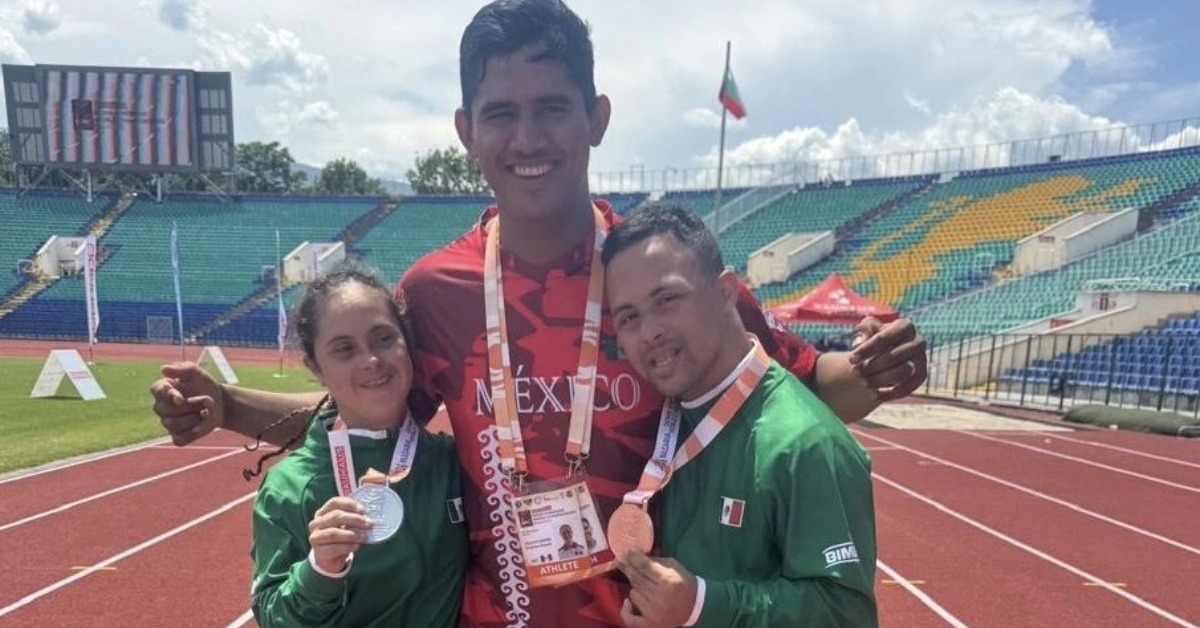
Mexico’s delegation closed the Games with twenty-five medals. Most came in track and field, where Rarámuri athletes excel. One basketball squad reached the podium with silver, and Arctic sports—new ground for a Mexican contingent—brought home an inaugural gold. That diversity of events reflects how Indigenous sport blends endurance traditions with modern competition formats.
The team that traveled to Canada numbered twenty-five, including athletes and staff, according to the ministry’s posts and recap. Public messages from the embassy and the SRE amplified the results throughout the weekend, drawing national attention back home.
Setting the record straight on the event
Some headlines loosely called the competition the “Indigenous Games of Canada.” The formal name is the Masters Indigenous Games, organized by Indigenous Sport and Wellness Ontario and open to Indigenous athletes aged nineteen and over. It is a separate event from the North American Indigenous Games, which have their governing council and calendar. The distinction matters for records, funding, and athlete pathways.
For Mexico, the Ottawa trip built on work begun in recent years by the embassy and state partners to enable Indigenous teams to travel. A 2025 embassy note detailed sponsorships and the expansion from earlier delegations, particularly among Rarámuri runners. That continuity helps move efforts from one-off invitations to a standing program.
Why this moment matters
Sport is among the most legitimate forms of culture. When Indigenous athletes compete abroad in their names, wearing the colors of Mexico and their peoples, the image carries. It counters stereotypes with skill. It puts Indigenous languages and communities in headlines for excellence, not tragedy.
At the ministry, officials framed that impact in practical terms: relationships grow easier when partners see and celebrate one another’s strengths. The medals are a hook. The long game is dignity, recognition, and recurring exchanges—clinics, cultural showcases, and youth pathways that last beyond a single tournament.
The road ahead for Indigenous sport
Sustaining momentum will require basics done well. That means travel budgets secured early, transparent selection processes, and coaching support that respects culture and science. It also means telling the stories at home—why a silver in basketball matters for a Sierra team, why a first gold in Arctic sports opens new lanes of training and exchange.
Mexico’s Foreign Affairs team, along with federal and state partners, now has a clear template: prepare, compete, recognize, repeat. If they stick to it, the next ceremony won’t just honor medals. It will honor a pipeline.