
Los Cabos just reopened a rare door to Europe. The Germany Los Cabos flights are back for a second season, with a fuller inaugural and a schedule that lines up neatly with winter demand. Tourism officials say German travelers stay longer and spend more—exactly the kind of visitor the cape courts. This time, the timetable promises steady connectivity right through spring. What changed from last season, and why does this route matter beyond the headlines? Let’s unpack the signals behind the relaunch.
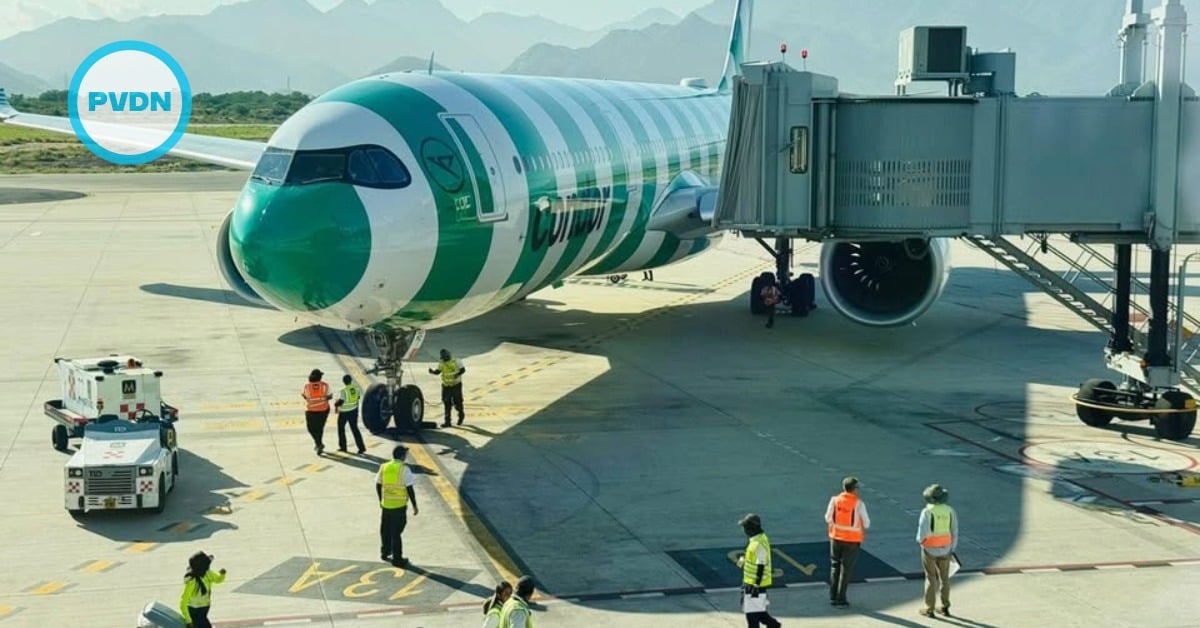
Los Cabos kicked off the second season of nonstop service from Germany with a strong start. The Condor flight from Frankfurt touched down on November 3 carrying 285 passengers, confirming the route’s return through April 6 and a twice-weekly cadence that matches the region’s high season. Local officials frame it as more than a convenience; it’s a strategic link to a long-haul market with staying power.
The core promise is simple: reliable service on Mondays and Fridays between Frankfurt (FRA) and Los Cabos (SJD) throughout the winter schedule. Condor’s own timetable lists the route on those days for the 2025–2026 season, while Los Cabos tourism materials name the start and end dates explicitly. Frequency may sound like a small detail, but on long-haul leisure routes, predictable days are the difference between a trip that happens and one that doesn’t.
Germany Los Cabos flights
Why all the attention on Germany? Because the passenger profile fits what the destination wants. Research from the Los Cabos Tourism Board (FITURCA) after the first season found average stays of about 10.5 days and per-person spending near 58,000 pesos, with most visitors booking four- and five-star hotels and more than half renting cars to explore the cape and nearby towns. That’s a high-impact visitor who lingers, spends, and spreads the benefits beyond the beach.
The comeback also shows how quickly Los Cabos is diversifying beyond its core North American base. As of mid-2025, U.S. and Canadian arrivals still dominated, but opening and sustaining a European nonstop builds resilience and choice. The German market isn’t just bigger in distance; it’s different in behavior—longer planning windows, longer stays, and strong interest in nature-driven experiences like marine life, hiking, and snorkeling. Those patterns align with the cape’s product and with the season when whales and cooler weather make headlines.
This winter’s schedule fine-tunes last year’s launch. Condor first flew to Los Cabos in November 2024—its debut to the Baja California Sur hub and a first European nonstop for the destination. The airline promoted the A330neo for the route at launch, part of a broader long-haul refresh across Mexico. The inaugural season ran through late April; the second season returns on a slightly different weekday pattern, but with the same winter window. That continuity matters for tour operators and hoteliers who set inventory and rates months in advance.
On opening day this season, authorities reported a fuller cabin than last year’s first arrival and emphasized the economic upside. Local coverage and government posts pegged the first flight at 285 passengers—evidence of pent-up demand and better market awareness after year one. FITURCA’s own brief highlights another angle: real-estate curiosity, with nearly a third of surveyed travelers expressing interest in buying a second home. That’s not tomorrow’s sale, but it is a signal of deeper ties forming between visitor and place.
What the second season changes
Practically speaking, the Monday-Friday rhythm opens cleaner combinations for Europeans connecting into Frankfurt from elsewhere on the continent and for travelers pairing Los Cabos with other Mexico trips. Condor’s published winter timetable confirms the operating days; Los Cabos’ tourism board adds the season dates. Together, they give agents and travelers enough certainty to plan multi-stop itineraries and secure scarce winter rooms without guesswork.
Zoom out, and the route’s value is bigger than two weekly rotations. Los Cabos relies heavily on airlift, and adding a direct European door diversifies risk while upgrading the destination’s brand abroad. For visitors, the nonstop flight avoids awkward U.S. transfers and visas that discourage experimentation. The cape attracts travelers who stay longer, spend widely, and tend to explore beyond the resort zone. If the second season closes as firmly as it started, the case for making Europe a standing pillar of the winter schedule will only get easier to make.