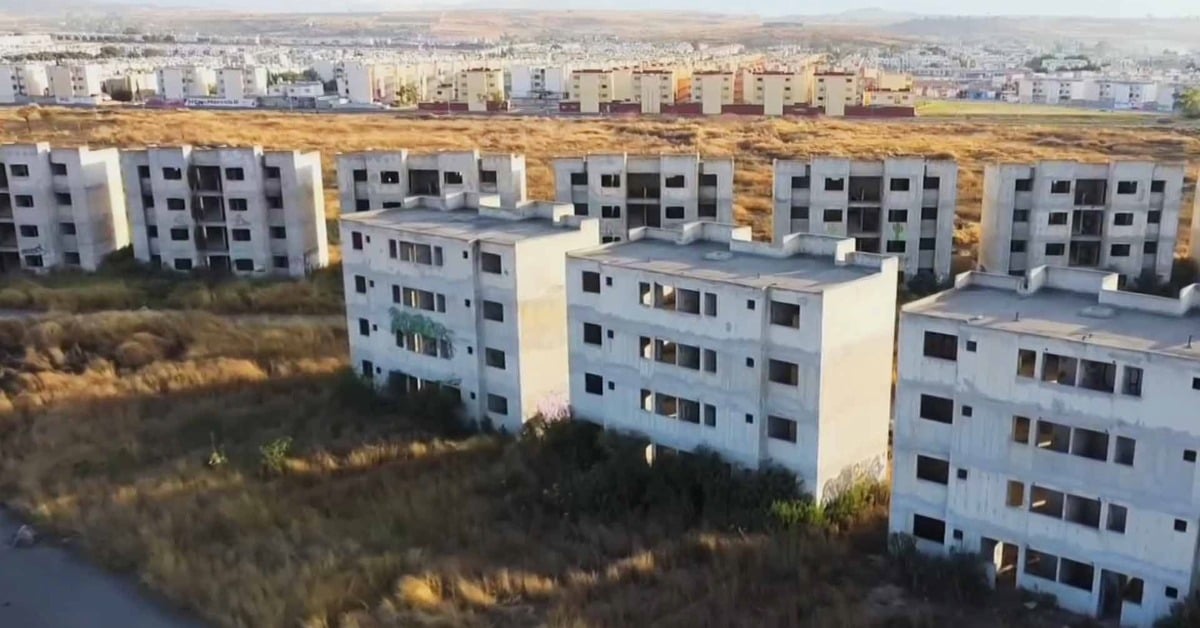
The seeds were policy. For two decades, credit chased low-cost lots on the edge of cities. Builders delivered units by the thousand. Streets went in. Jobs did not. Transit did not. Families stretched time and money on commutes and services they could not reach. Many left, often in waves.
The numbers show the scale. Mexico has millions of uninhabited dwellings. Not all sit in failed tracts, but abandoned housing became a national storyline. Academic centers have flagged the social and urban costs for years. The empty stock drags on safety, local budgets, and land use.
Policy is shifting from blame to recovery. The federal plan this year aims to regularize and bring back as many as six hundred thousand abandoned or irregularly occupied Infonavit homes. The goal is to match people who need housing with units that can still be saved. It is a huge promise with legal and urban hurdles.
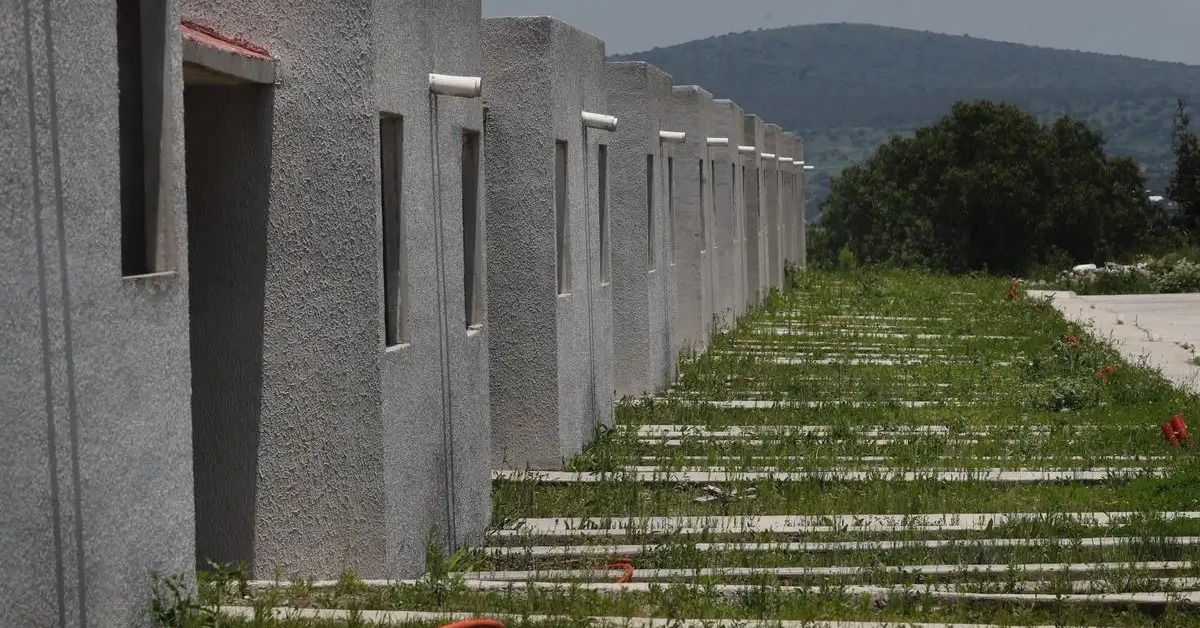
First steps are a census and triage
The presidency reports eight hundred forty-three thousand Infonavit homes with some kind of problem on the books. Teams are knocking on doors to learn who lives inside, who left, and which houses are too damaged to rescue. Findings will guide sales, social rent, or demolition.
Some places will return faster than others. In Huehuetoca and Zumpango, vast tracts never finished municipal hand-offs. That stalled water, lighting, and policing. It also left homeowners negotiating alone with absent developers. Any recovery plan must fix that governance gap or the cycle will repeat under a new banner.
The politics are raw. Regularizing irregular occupants raises property rights questions. Officials say cases with active legal complaints will not be touched. That matters in states where despojo cases piled up. The line between recovery and reward for invasions must be clear and enforced.
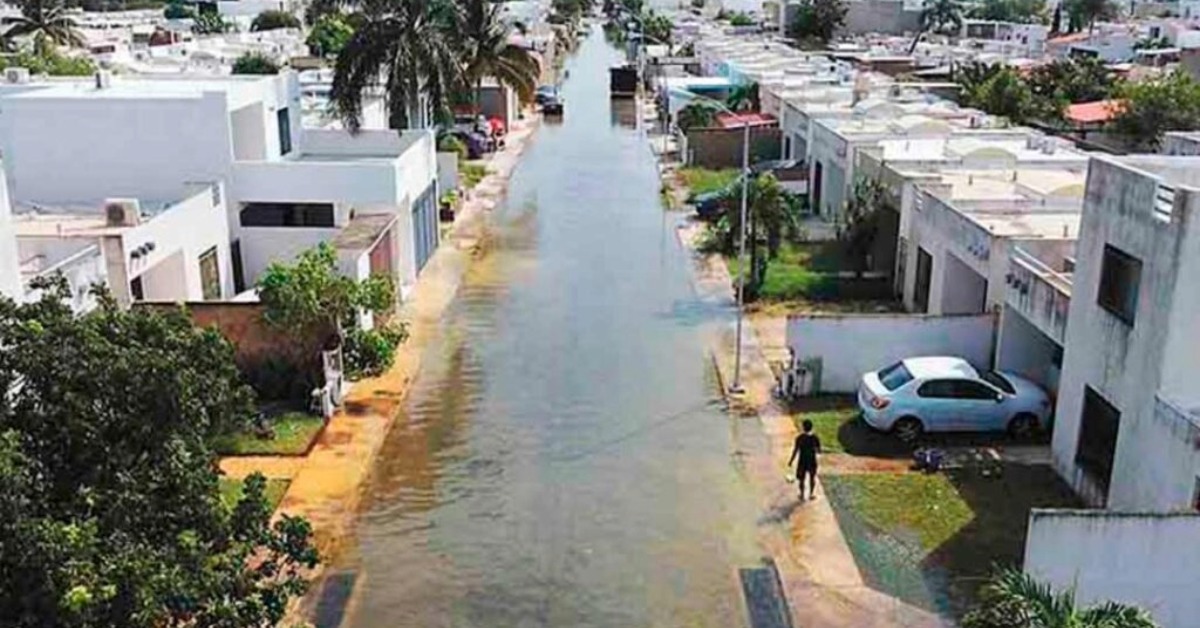
Money and distance remain the issue
A house is not a neighborhood if the bus never comes. Recovery needs transit, schools, clinics, and street lighting before ribbon cuttings. It needs micro-economies on the ground—tortillerías, daycare, and safe walking routes—that keep families from bleeding time on every errand.
There is progress, but pace matters. SEDATU points to new construction starts in most states and a plan that folds recovery into a wider push for low-cost housing, title delivery, and upgrades. If the state treats these tracts as whole places instead of piles of keys, people will notice the difference fast.
What should buyers and renters learn from the ghost years? Cheap is not cheap if you have to cross a county for work. Ask about municipalization. Check the water operator. Visit at night. A house on a map can be a trap if the city around it is still a promise.