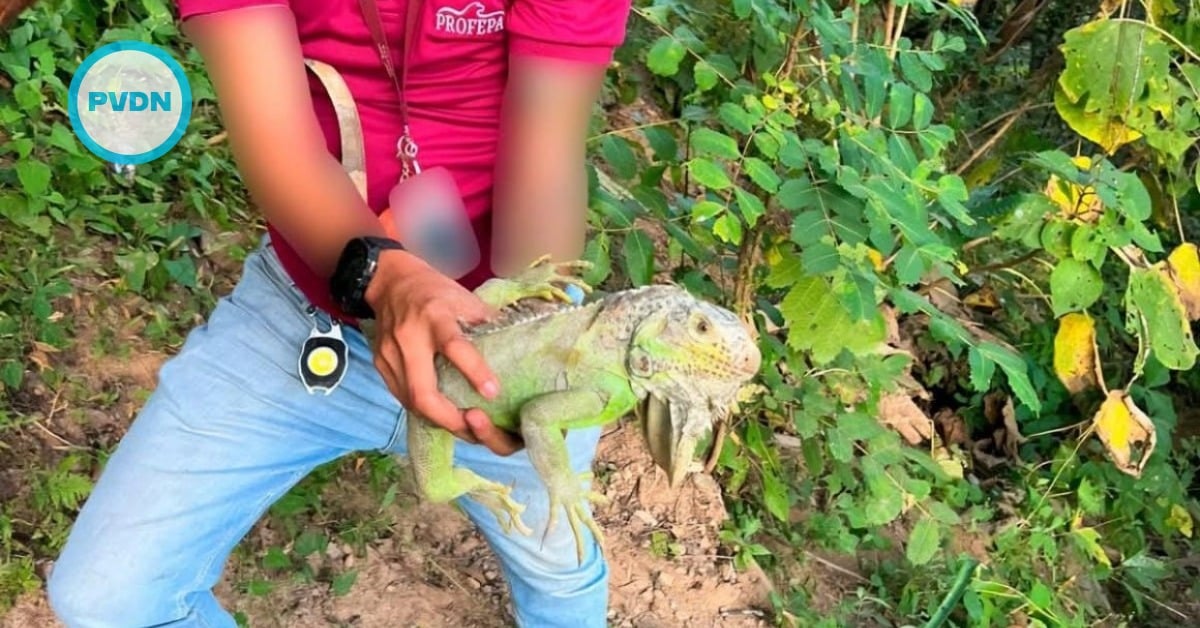
Puerto Vallarta woke up to a small, hopeful scene: ten green iguanas heading back into the brush after a round of rescues and rehabilitation. Federal environmental agents confirmed each animal passed a full medical evaluation and showed the right behavior for release before returning them to a site where the species naturally lives on the Jalisco coast. It’s the kind of quiet conservation work that rarely makes headlines but matters on the ground.
Local habitat helps. Puerto Vallarta has one of Mexico’s most unusual urban green lungs, Estero El Salado—a protected mangrove estuary inside the city—where reptiles, including green iguanas, share space with birds, crustaceans, and the occasional curious human on a guided boat tour. These kinds of coastal wetlands give arboreal herbivores the canopy, warmth, and cover they need to reintegrate after human care.
Why the release matters on the Jalisco coast
Green iguanas aren’t rare in western Mexico, but that doesn’t make them safe. In Mexico, the species is listed under the country’s risk norm NOM-059 as “Subject to Special Protection,” a category used when a species could become threatened without careful management. Internationally, green iguanas are regulated under CITES Appendix II, which flags species that aren’t necessarily endangered now but could become so if trade isn’t controlled. Those two designations work together: Mexico manages domestic protections while international rules help curb cross-border trafficking.
The law is clear on day-to-day behavior, too. Capturing, transporting, or selling wildlife without authorization is prohibited. Profepa has said it repeatedly and backs it up with seizures. One example: inspectors at the Tijuana airport intercepted a wooden crate with 53 live green iguanas shipped from Guadalajara—animals that never should have been in transit. Cases like that explain why authorities emphasize that even “common” reptiles are not souvenirs and why public tips can change outcomes.
Releases like the one in Puerto Vallarta also aren’t a one-off. Jalisco has seen this before: several years ago, Profepa freed seven green iguanas and five boas along the same coastline after medical assessments, a reminder that long, slow work is what keeps local biodiversity intact. The pattern is simple: recover animals from illegal possession, stabilize them under professional care, and only then return them where they belong.
Zoom out and you see why these small wins add up. Research tracking wildlife law enforcement in Mexico across two decades shows hundreds of species turning up in confiscations. Reptiles are a persistent feature of that picture because they’re easy to transport and sell, and their welfare can decline quickly in unregulated hands. That’s the backdrop for a handful of iguanas climbing back into the mangroves: every animal that makes it home is one less lining a crate or a market stall.
If you live here, you’ve probably seen iguanas sunning on a branch after a cool night, raising their core temperature before they start moving. That’s normal. What isn’t normal is seeing them bagged for sale. If you encounter capture or commercialization, the reporting paths are straightforward: you can file a complaint with Profepa online, email [email protected], or call 800-PROFEPA (776-3372). Officials do ask you to ratify phone complaints within three business days, so grab a case number and follow through.
Green iguanas in Puerto Vallarta
Back in Puerto Vallarta, the story ends where it should: in the trees. Authorities said the ten iguanas were released only after vets confirmed good health and stable behavior, and in a place where the species already lives. That last part matters because release site fidelity reduces stress and increases the odds that animals find food and cover fast. It’s also a reminder that urban-edge ecosystems like Estero El Salado aren’t just scenic—they’re functional buffers that let wildlife exist alongside a growing city.
Conservation doesn’t always come with a ribbon-cutting. Sometimes it looks like a carrier set gently on the ground, and a few minutes of stillness before a tail slips into the leaves. That’s enough. On a coast where reptiles, birds, and people increasingly share space, getting ten green iguanas home is a small, meaningful step—and a nudge for the rest of us to leave wild things wild and speak up when we see otherwise.