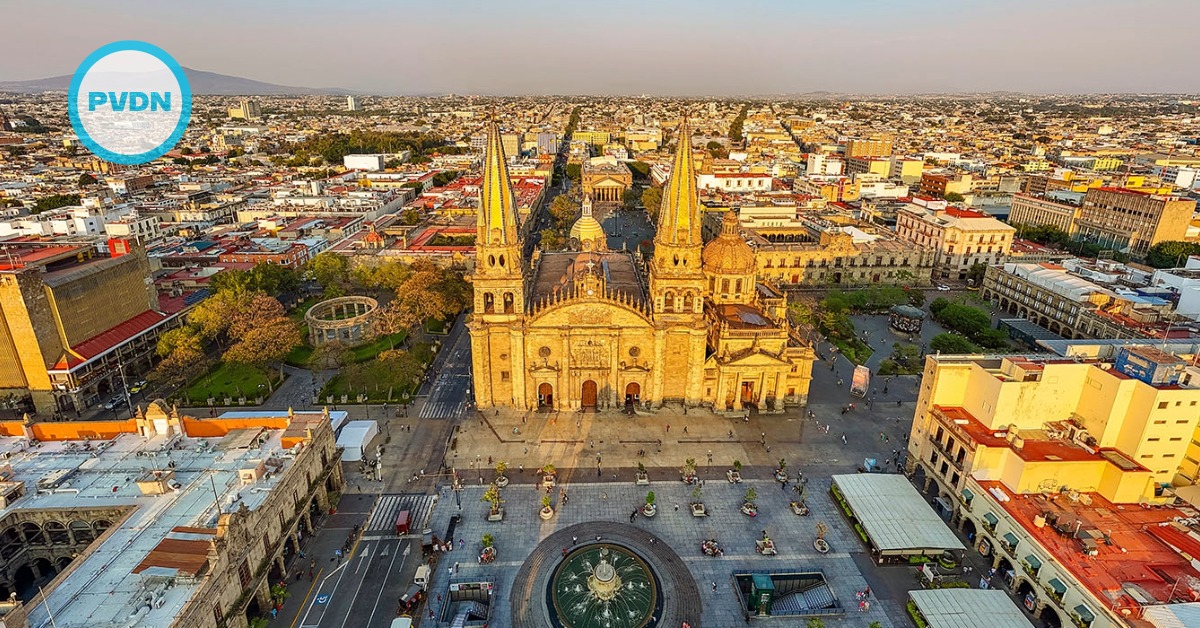
Guadalajara expects up to 10% more tourism revenue in 2026, powered by new flights and World Cup games but shadowed by rising costs.
Guadalajara is setting itself up for a record tourism year in 2026. City officials estimate that income from visitors could grow by up to 10 percent, with the metropolitan area of Jalisco’s capital riding a wave of new air routes, mega events and steady hotel demand. The forecast comes from Gustavo Staufert Buclon, head of Guadalajara’s Visitors and Conventions Office, who outlined the outlook in a year-end balance and projections for 2026.
At the state level, tourism authorities expect Jalisco’s overall tourism revenue to increase by about 8.5 percent next year, with Guadalajara outpacing that average and crossing the 10 percent mark in economic capture. Early bookings boost confidence. Authorities already have around 700,000 room nights reserved in Jalisco for 2026, roughly a tenth of all the nights they expect to sell that year, and between 200,000 and 220,000 of those are tied directly to World Cup visitors.
The push comes as tourism remains one of Mexico’s key economic engines. Official data compiled by the national statistics agency INEGI show international tourism revenue up more than a third compared with pre-pandemic levels, with about US$16.2 billion generated in the first half of 2024 alone. Wider estimates suggest tourism now accounts for close to 9 percent of Mexico’s GDP and supports millions of jobs, while Guadalajara itself attracts an estimated 1.8 million visitors a year, placing it among the country’s top urban destinations.
Against that backdrop, Guadalajara tourism growth is not just a local story. It is part of a broader shift in how and where travelers choose to spend their money in Mexico.
World Cup spotlight and a meetings industry boom
One of the most significant catalysts for 2026 is the FIFA World Cup. Estadio Akron, home of Chivas, will host four group-stage matches, including Mexico’s second game and a headline clash between Spain and Uruguay. Those dates alone guarantee tens of thousands of high-spending visitors, with hotel and short-term rental bookings already locked in months in advance.
The football tournament sits inside a much larger calendar. Guadalajara has at least 125 major events confirmed for 2026 in the meetings and conventions segment, roughly two-thirds of them new to the city. That line-up includes the first edition of ITB Américas, the regional offshoot of one of the world’s most important tourism trade fairs; a global forum on cities; and highly specialized world congresses in fields such as physiotherapy, dermatology and extensive dam engineering.
Expo Guadalajara, one of Latin America’s busiest convention centers, expects its own economic impact to grow by close to 9 percent compared with 2024. Early figures point to tens of billions of pesos in direct and indirect spending tied to trade shows, congresses and corporate events, alongside investments in solar panels and rainwater systems aimed at lowering the venue’s environmental footprint.
This surge rests on years of work to turn Guadalajara into a well-connected hub. Jalisco now ranks among Mexico’s top contributors to national tourism GDP, with at least two of the country’s five best-connected airports. Guadalajara’s international airport has added seasonal routes to major U.S. cities such as Denver, Miami, Orlando and Las Vegas, while airlines and tourism officials highlight the new second runway as a sign of long-term growth.
On the northern side of the continent, air travel between Canada and Mexico rose more than 20 percent in the first half of 2025, according to aviation data, as Canadian carriers expanded capacity and more travelers opted for Mexican destinations amid political and trade tensions with the United States. That trend dovetails with Guadalajara’s strategy of diversifying away from a heavy reliance on U.S. visitors toward a broader mix of North American and European markets.
Risks that could slow Guadalajara tourism growth
The optimistic forecast comes with clear caveats. Local tourism officials warn that the same forces lifting visitor numbers could deepen inequality and strain housing. During the World Cup period, they estimate that the average nightly rate in Guadalajara could climb to about US$350, up from roughly US$98 today, across both hotels and platforms such as Airbnb. That kind of spike boosts revenue statistics, but it also raises the risk of short-term rentals displacing residents or pushing workers farther from the city center.
Mexico is already living through a national debate over gentrification linked to tourism and remote work. In Mexico City, protests in popular neighborhoods this year targeted rising rents and the spread of short-term rentals, prompting the local government to sketch out new rules on rent caps and “reasonable” prices. The capital has since landed on a high-profile “no list” of destinations where travelers are urged to rethink visits because of the pressure on local communities.
Guadalajara is not in that spotlight, but its trajectory looks familiar: more hotel rooms, more Airbnbs, higher tariffs and a busy events calendar. According to meeting-industry figures, the city’s formal hotel inventory has grown from about 16,500 rooms at the time of the 2011 Pan American Games to around 31,000 today, plus some 7,500 active units on short-term rental platforms in the metropolitan area. So far, occupancy has held steady at roughly 61 percent even as prices rise, a sign that demand is keeping up.
External risks are more complex to control. The outlook for Mexico’s economy in 2026 is modest, with analysts warning of low growth, weak private investment and ongoing uncertainty over regulatory changes. At the same time, U.S.–Mexico relations remain under pressure from disputes over migration, security and trade. That mix could affect everything from visa policies to travel advisories, with direct consequences for cross-border tourism flows.
Tourism patterns are already shifting. Canadian bookings to the United States have dropped amid trade frictions and political rhetoric, while demand for Mexico has climbed, reinforcing airlines’ and tour operators’ pivot toward Mexican destinations. Jalisco’s tourism team is betting that a strong mix of sports, business travel and cultural events will help cushion Guadalajara if U.S. demand weakens, but that hedge has yet to be thoroughly tested in a downturn.
For now, Guadalajara tourism growth is a story of momentum. The city has secured a rare combination of global sports exposure, record-breaking convention business and improved air connectivity. Whether that translates into broad-based local gains, rather than short-term windfalls and higher rents, will depend on decisions made in the next two years—from how the city manages licensing and zoning to how it invests the extra revenue in public transport, public space and basic services.
The visitors will come; the rooms are already booked. The harder question is what kind of city they will find, and what kind of city they will leave behind.