Guanajuato’s fire season is moving faster than last year’s pace. State figures show more than 11,500 hectares burned by late April, including forest and pasture fires. San Miguel de Allende is now among the municipalities with the highest number of forest fire reports. The numbers do not mean every city faces the same risk, but they point to a dry-season problem that can affect rural roads, air quality, and emergency response across central Mexico this spring.
Guanajuato fire damage is nearing last year’s total
Fires in Guanajuato have already damaged 11,543 hectares in 2026, putting the state close to last year’s total burned area before the current dry season has ended.
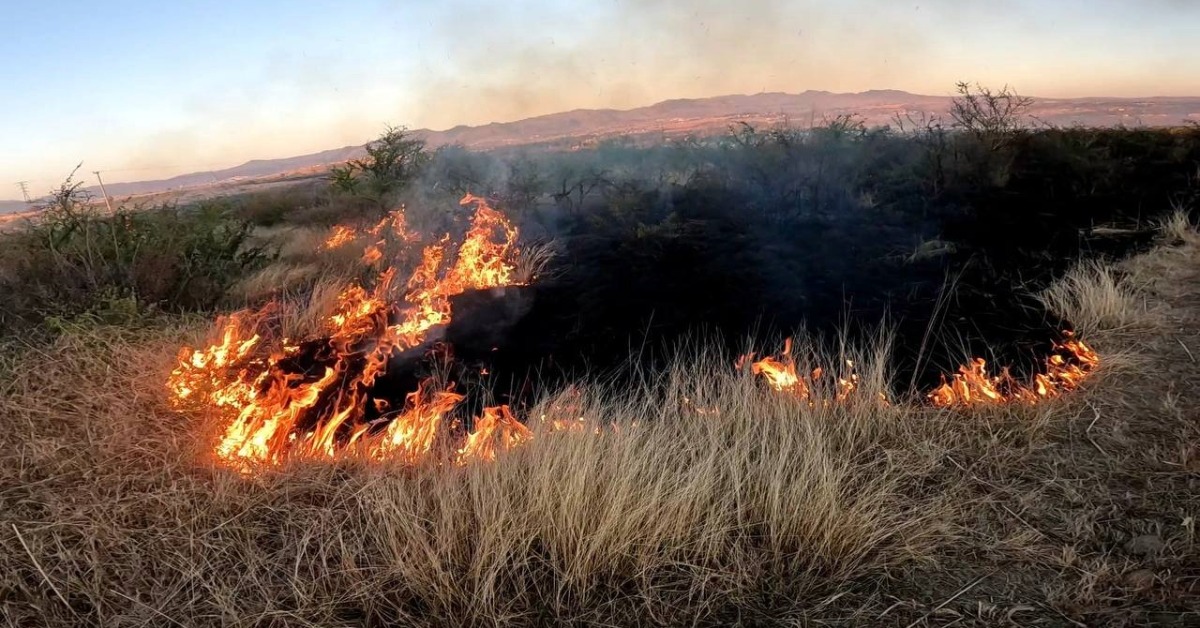
The figure represents about 82% of the surface burned for the entire year 2025. State data through April 29 includes both forest fires and pasture fires, which often spread quickly during dry, windy conditions.
In 2025, Guanajuato recorded 125 forest fires that affected 10,395.77 hectares. The state also reported 181 pasture fires, which damaged 3,599 hectares. Together, those fires affected 13,995 hectares last year.
This year’s pace is moving faster. From January 1 to April 29, Guanajuato recorded 88 forest fires affecting 5,583 hectares. Another 149 pasture fires affected 5,960 hectares.
San Miguel among municipalities with more forest fires
San Miguel de Allende is listed among the Guanajuato municipalities with the highest number of forest fires so far this year.
The state’s highest totals were reported in San Felipe, with 21 forest fires, and Coroneo, with 18. San Miguel de Allende followed with 15, while León reported 14 and Cuerámaro 13.
For residents and visitors, the numbers are a reminder that fire season is not limited to remote mountain areas. Smoke, road closures, emergency vehicles, and poor visibility can affect nearby communities, especially when fires occur near rural roads or open land.
The fire risk is also tied to everyday activity. Guanajuato civil protection officials have previously attributed most forest and pasture fires to human activity. Uncontrolled burns, agricultural practices, discarded cigarettes, and campfires can all become larger emergencies when conditions are dry.
Guanajuato part of wider Mexico fire season
Guanajuato’s fire damage comes during an active national wildfire season. Federal fire data through early May placed Guanajuato among the ten states with the largest burned surface in Mexico this year.
Nationally, more than 3,700 forest fires had been recorded by May 7, affecting more than 213,000 hectares. Most of the burned surface involved grasses, shrubs, and other low vegetation, but tree-covered areas were also affected.
That distinction matters because grass and brush fires can move fast and threaten homes, roads, and livestock. Forest fires can also damage watersheds, wildlife habitat, and protected natural areas.
Residents who see smoke or fire should report it quickly and avoid approaching the area. Emergency reports can be made through 911. Forest fire reports can also be directed to federal fire authorities through the national wildfire reporting lines.