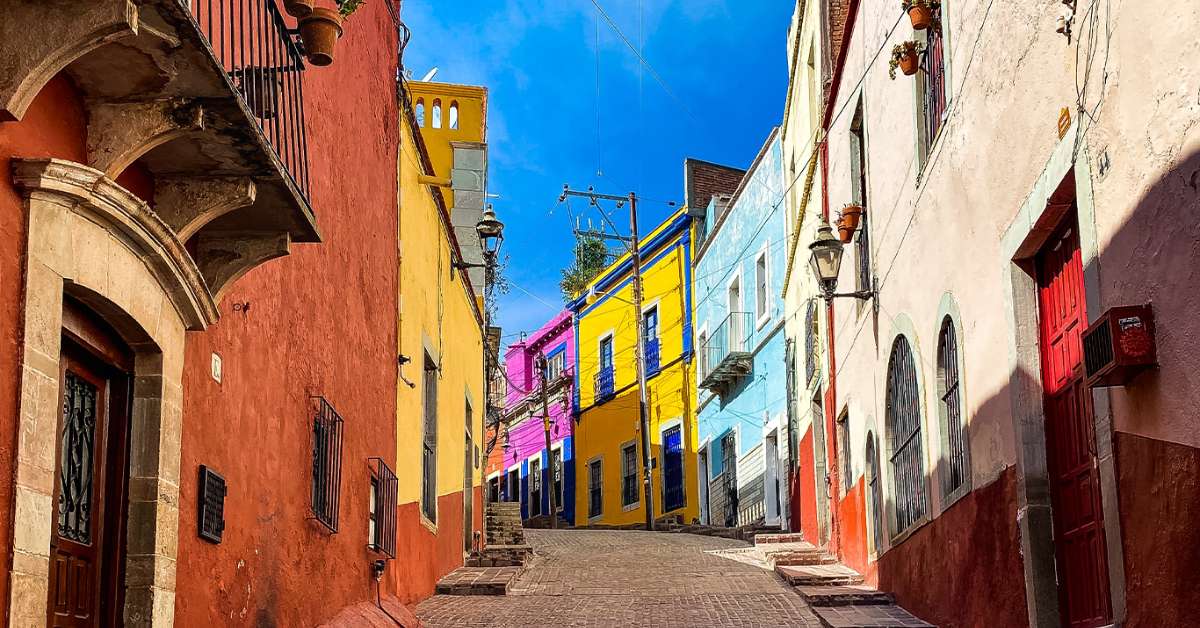
Guanajuato News – For decades, tourism in Guanajuato has catered to a handful of well‑known destinations. San Miguel de Allende, the state capital, León, Irapuato and the celebrated Pueblos Mágicos drew most visitors. This model left other towns in the northeast and southeast largely overlooked. Now, the State Tourism Secretariat is charting a new course. Under the leadership of Lupita Robles, it has launched a plan to reshape visitor patterns through Guanajuato tourism regionalization.
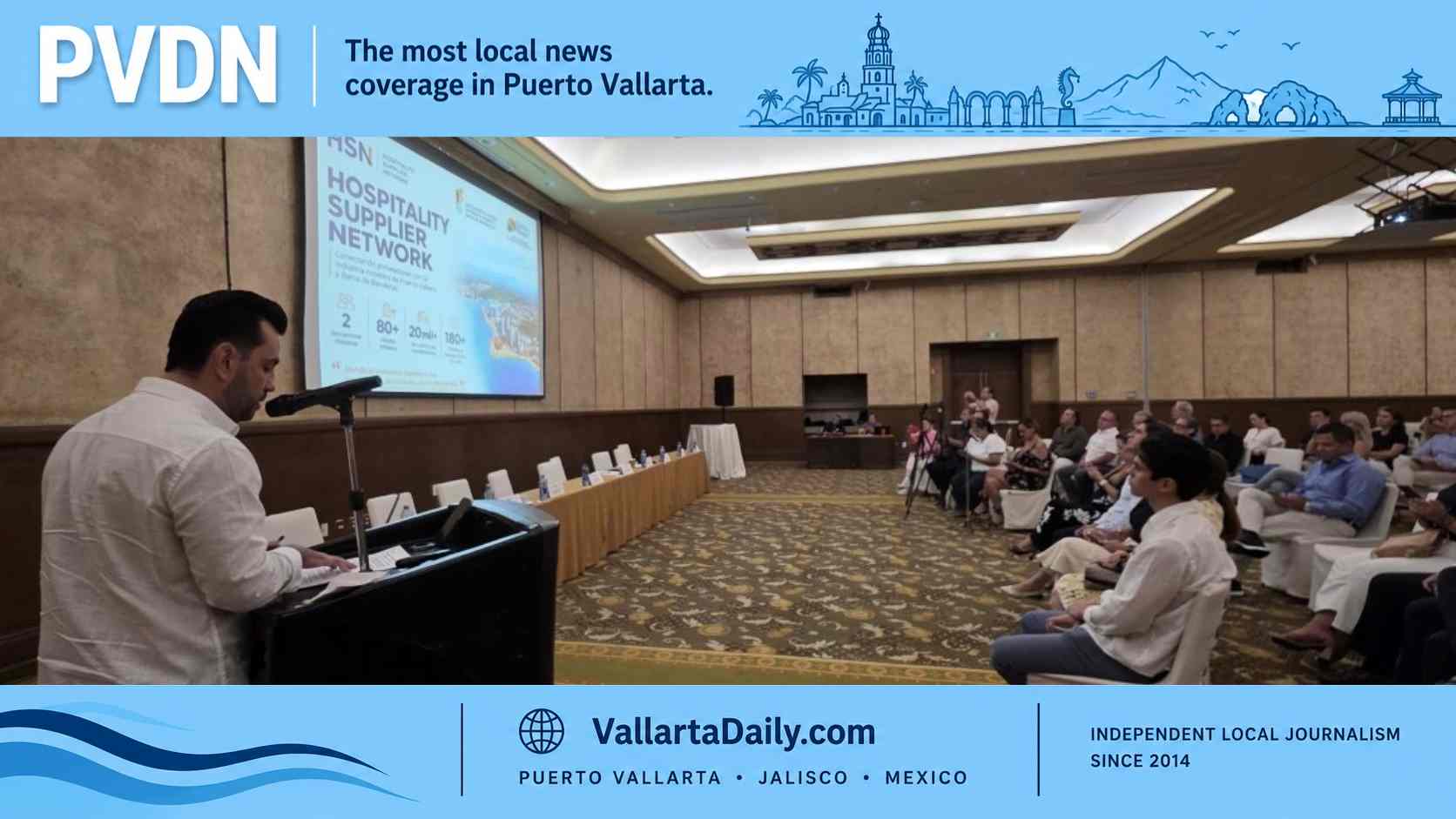
At a recent event in San Miguel de Allende, Robles outlined the vision. She explained that the goal is to move beyond sites with existing economic clout or heritage status. “We want the northeast and southeast of the state, which are rich in natural resources, traditions and festivals, to also have the opportunity to shine,” she said. The strategy calls for a fairer spread of tourism benefits across every corner of Guanajuato.
Guanajuato tourism regionalization in action
The first step of this strategy divides the state into seven tourist regions. Each region will group four or five municipalities. They will work as partners to design themed routes, stage regional fairs and craft integrated tourism products. This cooperative model will let smaller communities pool resources and highlight their unique strengths in nature tourism, hospitality, gastronomy and local customs. By framing tourism at the regional level, officials expect to boost local economies more evenly.
The Secretariat has already begun consulting with municipal leaders. Teams assess each area’s assets and needs. One pillar of this work is to reinforce smaller events outside the official Si Sabe program. In Doctor Mora, for example, local organizers will expand the upcoming pulque and carnitas festival. This event will serve as a test case for how regional tours can tie into local traditions. Officials hope these festivals will attract new visitors and give communities a chance to offer their own stories.
Robles stressed that each town has a singular appeal waiting to be unlocked. “The important thing is to discover what makes you different. Sometimes it’s a dish, a tradition, a landscape. That’s what we seek to strengthen,” she said. Municipal teams now collect information on local dishes, crafts, music and folklore. They will use this data to build compelling tour packages that link several sites in one journey.
Spreading the tourism revenue
Regionalization signals more than a new map of travel routes. It is also a vision for inclusive growth. By shifting the focus from a handful of anchor cities to multiple regions, the plan aims to spread visitor spending across more communities. This will help reduce pressure on overworked urban centers. It will also create new jobs in hospitality, transport and cultural services in lesser‑known areas. In the months ahead, authorities will fine‑tune routes and launch a marketing campaign to present the regions to national and international travelers.
When the governor officially unveils the program in September, the initiative will enter its public phase. Promotional materials, guides and event calendars will highlight each region’s themed offerings. Local businesses will have fresh opportunities to participate in fairs and workshops. With Guanajuato tourism regionalization, the state is betting on a more balanced tourism boom that honors its full diversity and fuels growth in every corner.
Guanajuato tourism, tourism regionalization, Lupita Robles, themed routes, local festivals