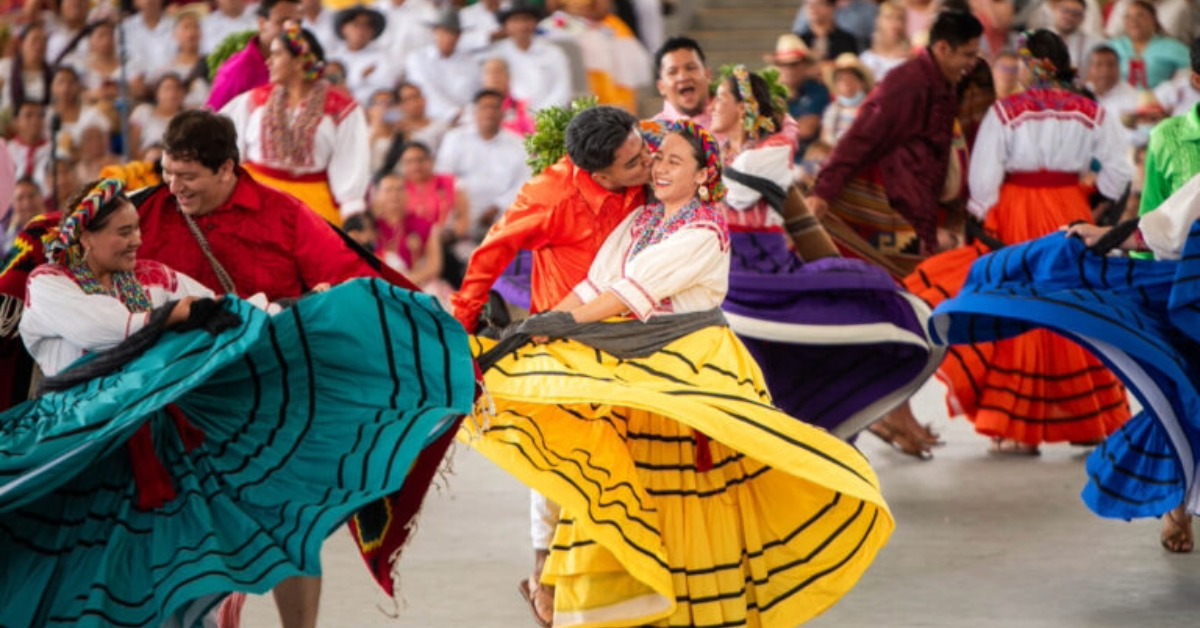
Playa del Carmen will host Guelaguetza 2026 on March 6–8, starting with a calenda parade downtown. Organizers say more than 150 performerswill arrive from Oaxaca for dances tied to its eight regions. The main days take place at Parque Fundadores, featuring stage shows and an Oaxaca-focused food and craft area. Many residents know the name Guelaguetza, but fewer know what the opening procession is meant to announce. Here’s how the three-day program is expected to work, and what to watch for once the music starts.
A three-day Oaxaca program on the Riviera Maya
Playa del Carmen’s March calendar will include Guelaguetza 2026, a weekend program built around Oaxaca music and dance. Organizers say it runs March 6–8, with a Friday procession and weekend stage shows. Planning has been led by local organizer Lidia Lara Ventura, working with Oaxaca participants and local support. Most activity centers on Parque Fundadores, near the seaside esplanade. Performances are planned from late morning into the night. The lineup aims to represent Oaxaca’s eight regions. That eight-region frame is the standard format in Oaxaca City. In Playa del Carmen, the idea is to bring dances, costumes, and food to a place locals already use. Organizers have described a cast of more than 150 performers traveling from Oaxaca. For newcomers, it offers a way to sample the tradition without traveling to Oaxaca. It also shows how regional identity is expressed through rhythm, steps, and dress. The term Guelaguetza is often explained as an idea of offering and reciprocity. Next, the story breaks down the opening calenda, the stage program, and what the setup means for attendees.
Why the weekend starts with a calenda
The weekend opens with a calenda, a street procession in Oaxaca that announces a larger fiesta. In Playa del Carmen, it is set for Friday, March 6, starting at 6:00 pm. Organizers place the start at Plaza 28 de Julio and the finish at Parque Fundadores. The procession is planned as a walk through the downtown core, with bands and dance groups. During the route, organizers say there will be small tastings, gifts, and Oaxaca products shared with the crowd. They also mention comparsas, plus Oaxaca parade staples like marmotas and tiliches. Marmotas are oversized spheres on poles, carried above the crowd as the music moves. Tiliches refer to costumed characters and street performance traditions, not formal stage roles. For onlookers, the calenda is not a teaser. It is the signal that the weekend has begun, and it invites the public to join. If you have never seen one, listen for the band first. Then watch how the procession gathers people block by block.
What the main days are expected to include
The main program runs Saturday and Sunday at Parque Fundadores. Organizers set hours from 11:00 am to 11:00 pm. They project 150 to 160 artists, including musicians, dancers, and parade groups from Oaxaca. About 70 are described as the core cast for the signature regional dances. Shows are expected to rotate through pieces linked to each of Oaxaca’s eight regions. That rotation matters because each region brings distinct instruments, steps, and dress codes. Around the stage, organizers plan food and craft areas. Local reporting estimates 60 to 70 vendors, plus about 20 mezcal producers. Textile artisans are also expected, along with other makers tied to Oaxaca crafts. The menu is expected to feature tlayudas, mole, garnachas, chapulines, and chocolate. Several live music acts are scheduled for evening sets. The design encourages repeat visits, not one sit-down performance. Food stalls are expected to run alongside performances, so people can move between the stage and the stands. The site is often described by locals as the Arco de las Sirenas area by the beach.
How to approach it as a resident or visitor
For expats and visitors, treat this as a public plaza event with a clear cultural focus. If you do, the logistics make sense. Parque Fundadores is open and busy, so expect tight viewing areas at peak times. Arriving earlier can help if you want a clear view near the stage. Security measures can change, especially around large gatherings. The schedule covers the warmest hours, so shade and water matter. Many vendors rely on cash, so small bills help. If you want the clearest context, start with the calenda. Watching along the Plaza 28 de Julio route gives you close views of costumes and instruments. During shows, leave room for dancers to enter and exit, and avoid blocking sight lines. If you take photos, keep the flash off and step aside once you have the shot. Guelaguetza is rooted in exchange, but it works best with respect for performers and community. Traffic and parking near the beachfront can slow arrival, so build extra time. If you go with kids, set a simple meeting point.