Mexico’s security chief says investigators have already identified four CJNG leaders as possible successors to “El Mencho.” But the sharper story he emphasized, instead of names, is that roads are open, disruption is easing, and the state is watching the next move. In Mazatlán, he framed the succession question as an intelligence problem, not rumors. That messaging is meant to calm markets, tourism, and residents while pressure builds behind the scenes. What happens next will be measured in arrests, not declarations.
The message was about control, not a new boss
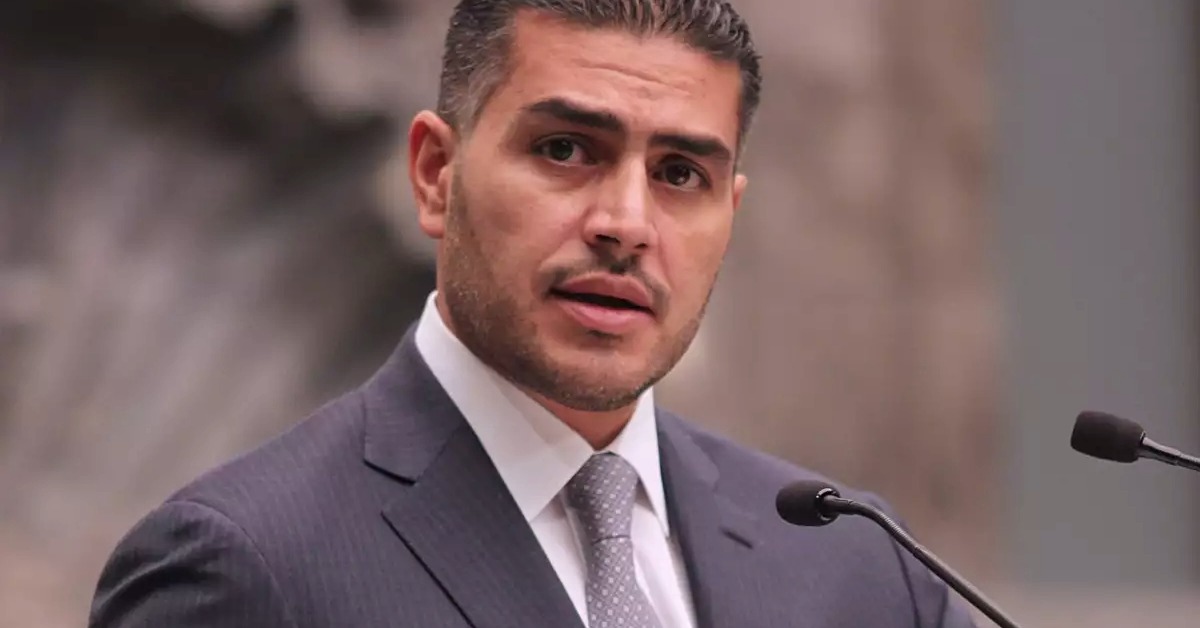
In Mazatlán, Omar García Harfuch used the succession question to project control. He spoke during the president’s morning security briefing in Sinaloa. He said authorities have identified four strong CJNG figures as possible replacements for “El Mencho”. He said all four are under investigation, and he called two the most likely. He did not share names, and he kept the focus on process. He framed the group as a network with regional leadership across multiple states. That detail matters because it suggests operations can continue without a single visible boss. Harfuch also said he did not yet know the result of the required necropsy. By acknowledging what is still pending, he avoided locking the government into claims it cannot prove. The overall message was that the state is tracking the next layer of command rather than reacting to rumors. For readers trying to gauge risk, that is a different signal than a dramatic announcement of a new capo.
Why names stayed off the record
The decision to withhold names is not a small detail. When officials label people as potential successors, the stakes change overnight. Naming a suspect can create pressure on local contacts, family networks, and rival groups. It can also tip off targets about surveillance and pending warrants. Harfuch’s wording kept the emphasis on investigations already underway, not a fresh hunt. He described the four as the strongest internal leaders, which implies existing files and patterns. That approach also protects prosecutions, where weak claims can collapse in court. For the public, it turns a dangerous rumor cycle into a narrower claim: authorities have a shortlist. It is meant to limit speculation and sudden panic. For the CJNG, it is a warning that the next tier is already visible to intelligence teams. If the government follows through with arrests and financial seizures, the message gains weight. If it does not, the claim becomes easier for criminal groups to dismiss.
A timeline meant to reassure daily life
Harfuch also tried to put the immediate aftermath into a clear timeline. He said there were problems right after the operation in Jalisco. He described the worst disruption as concentrated on Sunday, with spillover into Monday. He said that by Tuesday and Wednesday, federal and local routes were open, with no blockades. That framing matters for people who judge risk by what they can see and feel. Road closures and burned vehicles interrupt commuting, supply chains, and domestic travel. They also hit tourism in real time, especially when images spread faster than official updates. By stressing reopened highways, the government is signaling that it can restore basic mobility. It is also drawing a line between short-term retaliation and a sustained surge. For expats and long-term residents, this is the practical test of whether the crisis is shrinking. The next spikes, if they come, are likely to be localized and time-bound rather than nationwide.
The wider map officials are watching
The same briefing hinted that officials are thinking beyond a single cartel. When asked about internal blocs in the Sinaloa Cartel, Harfuch named Los Chapitos and Los Mayos. He said other offshoots exist, but he treated the two blocs as the main forces. That exchange matters because it links succession talk to a broader security map. If one organization shifts leadership, others may test territory, routes, or local alliances. Harfuch’s answer suggested the government is watching multiple moving fronts at once. For audiences focused on governance, the key question is capacity and follow-through. Can investigators translate intelligence into charges, arrests, and asset freezes that hold up in court? Can authorities disrupt extortion and recruitment, not only high-profile leadership? Those are slower measures, but they are the ones that change daily life. In that sense, the “four identified” line is less a headline than a benchmark for what comes next. That is where credibility is won.