San Miguel’s mayor drew a clear line with big-box chains. He said residents must approve any Home Depot plan, respect the city’s World Heritage core, and avoid water-intensive, energy-hungry industries. The state touts a store for 2026, but city hall says community consent and real jobs come first. Expect a fight over how growth occurs, not whether it does—protect local work, conserve scarce water, and preserve the historic heart intact. What matters now is who gets to make the decision.
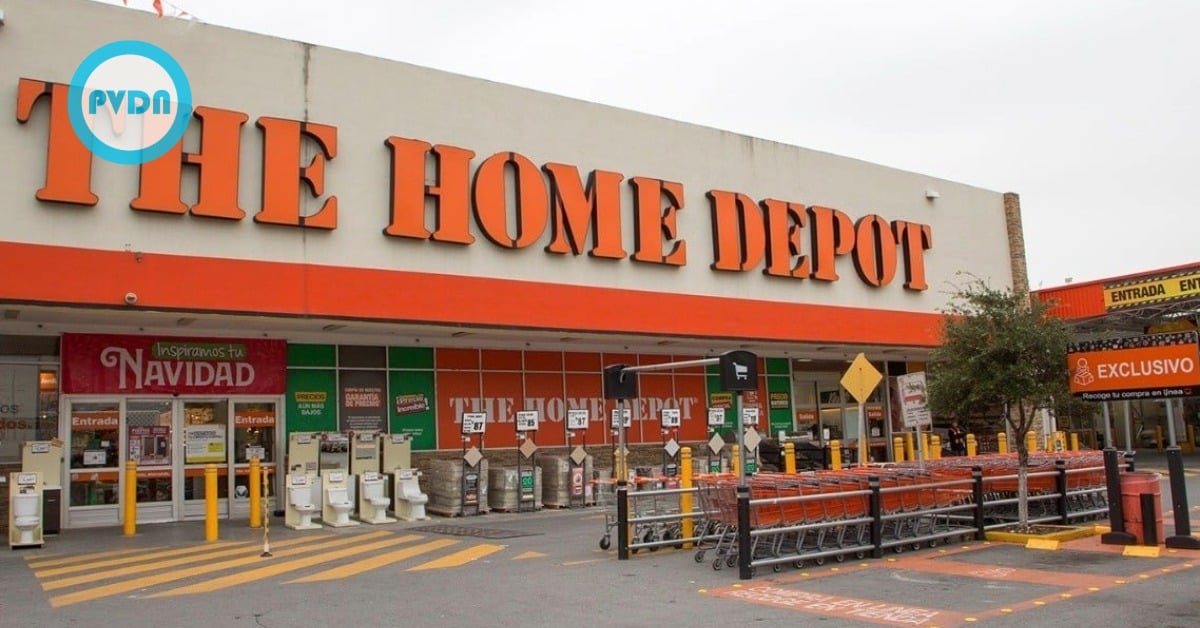
San Miguel de Allende’s mayor, Mauricio Trejo, says chains like Home Depot won’t move in unless residents sign off—and any project must protect the city’s water and its World Heritage image. He delivered the message during his government report, adding that investments which undercut local jobs “are not welcome” and that the community, not outside promoters, will decide what comes.
Home Depot San Miguel
The state government and The Home Depot announced in April a plan to open three new stores in Guanajuato—one of them in San Miguel—with a reported investment of about 1.24 billion pesos. Officials said San Miguel’s project would be slated for 2026, with additional stores in León and the state capital in 2027. The retailer’s own newsroom echoed the expansion plan that day. Trejo’s stance puts a clear, local condition on a rollout that the state framed as a done deal.
Trejo tied any greenlight to two guardrails: preserving San Miguel’s historic identity and safeguarding scarce water. On heritage, he pointed to the obligation to respect the image of a UNESCO-listed city—language that reinforces limits on large-format builds, signage, and urban edges that could erode a centuries-old streetscape. San Miguel’s historic core, together with the Sanctuary of Atotonilco, has been on the World Heritage List since 2008. Home Depot San Miguel would have to fit that reality, not the other way around.
On water, the mayor drew a sharper line. He said the city will favor labor-intensive manufacturing over “robotized” industry in its industrial zone, and he linked that to protecting local water. The region’s aquifers are under heavy pressure; researchers and local non-profits have documented over-extraction and contamination across northern Guanajuato, a stress that is reshaping how communities view growth. In that context, a big-box arrival becomes more than a retail question—it’s a resource decision.
The city-versus-state tension here is practical, not theatrical. The state can court investment and tout openings, but land-use, permits, and the social license to operate are lived at street level. Trejo did not outline a formal mechanism for the “citizen approval” he invoked—whether that means public consultations, a vote, or binding hearings—but the political signal is unmistakable: without broad local buy-in, a big-box door will stay shut.
What this means on the ground
For residents, the near-term question is simple: can a large retailer enter without displacing the businesses that make San Miguel’s economy feel like San Miguel? Price competition is real, and so are the jobs a chain can bring, yet both now sit beneath two non-negotiables—heritage and water. The state’s 2026 timeline gives the city room to define how consent is measured and what “fit” looks like in design, traffic, and daily water use. If The Home Depot pursues the store, expect months of scrutiny on site selection, truck flows, signage, and conservation measures.
This is not a no-growth manifesto. It’s a growth-with-conditions plan. Trejo is betting that residents will support projects that create real jobs, use water responsibly, and preserve the historic center’s character. Whether that includes a big-box store depends less on corporate timelines and more on the trust of the neighborhood. If San Miguel lands a version of development that locals recognize as their own, the city wins twice: it preserves its soul while attracting the kind of investment that lasts.