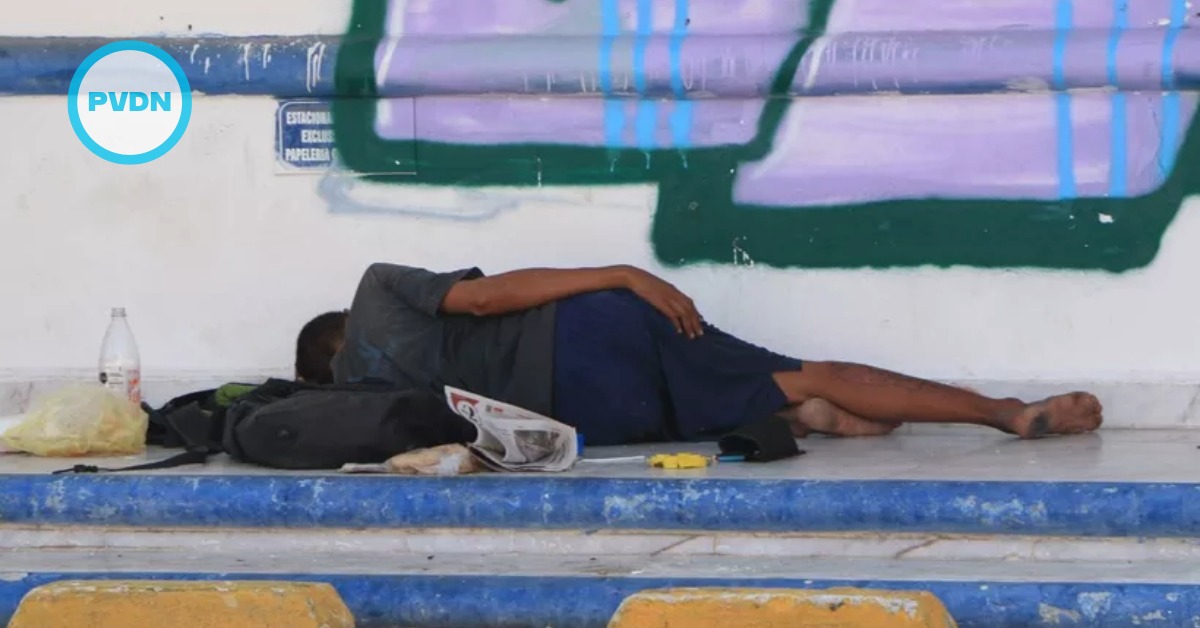
In a twist for the tropical resort town of Playa del Carmen, local authorities quietly repatriated a group of foreigners found living on the city’s streets. Among them were citizens of the United States and Canada, raising uneasy questions about how expats can end up homeless in paradise. Officials say these individuals arrived as visitors, only to wind up destitute far from home. The unusual cases highlight a rarely seen side of life abroad, leaving local leaders grappling with how to support foreigners in trouble.
Vacation in Paradise Turns into Homelessness
Over the past few months, ten foreign nationals have been sent back to their home countries after being discovered living without shelter on Playa del Carmen’s streets. According to Luis Herrera Quiam, the municipal secretary-general, the individuals came from a mix of nationalities – including Americans, Canadians, and one German. Many had originally traveled to the Riviera Maya as tourists and extended their stay far beyond their means, Herrera Quiam explained. Eventually, with funds depleted, they slipped into indigence on the city’s beaches and boulevards. In several instances, underlying problems worsened their situation. “Some cases involved addictions or mental health issues,” Herrera Quiam noted, which made it even harder for those individuals to get back on their feet.
Local residents were startled to see fellow foreigners panhandling or sleeping rough in a city better known for its luxury condos and resorts. For the large expat community in Playa del Carmen – many from the U.S. and Canada – these reports hit close to home. They serve as a reminder that living in Mexico isn’t always about margaritas and sunshine; if someone runs out of money or faces health challenges abroad, there may be few safety nets. Even citizens of wealthy countries can find themselves vulnerable when adrift in a foreign land.
Authorities Step In to Help Stranded Foreigners
City officials in Playa del Carmen have responded to this hidden homeless problem with a comprehensive, humanitarian strategy. At the direction of Mayor Estefanía Mercado, a multidisciplinary program was put in place to address homeless cases – locals and foreigners alike – with care and coordination. The effort is led by the city’s Civic Justice Department and involves health services, social assistance, and law enforcement working in tandem. Their first priority is to reach out and assess each individual’s needs. “The first step is to figure out what the person needs,” Herrera Quiam explained. “Often they have health problems, so we send them to the Health Department. Sometimes it’s about transportation, because these people are foreigners. We get in touch with their families so they can return home.” In the case of the ten foreigners, authorities coordinated with their relatives (and, when necessary, consular officials) to arrange travel documents and flights back to their countries of origin.
This compassionate repatriation approach is a pragmatic choice for Playa del Carmen, which currently lacks a dedicated homeless shelter. In fact, local social services have made a practice of relocating people living on the street to their hometowns or home countries whenever possible. According to the municipal DIF (family services agency), around 30 homeless individuals have been transported out of Playa del Carmen in the past year – most of them Mexican nationals sent back to their home states – due to the absence of any shelter facilities in the city. Foreign nationals found in dire straits are offered similar assistance to ensure they aren’t left stranded. City leaders hope this strategy not only helps those in need but also keeps improvised encampments from taking root in public areas.
Herrera Quiam acknowledged that homelessness is a complex issue that cannot be solved overnight. However, he reported that progress is being made. In recent weeks, officials conducted sweeps of parks, abandoned lots and underpasses to gauge how many people were sleeping rough. With better outreach and coordination, the secretary-general expects the visible homeless population – locals and foreigners – to gradually decline. “It’s an issue where there’s still some ways to go, but we are making progress,” he said optimistically.
Not an Isolated Case in Mexico
The sight of Americans or Canadians living on the street in Mexico may sound extraordinary, but Playa del Carmen is not the only tourist haven confronting this reality. Other resort cities have also found foreign nationals among their homeless population. In Cancún, just north of Playa, authorities last year identified at least 34 people living on downtown streets – several of them from abroad. Locals in Cancún reported seeing an elderly man of Middle Eastern origin wandering the streets, talking to himself, and a North American couple begging for change outside the bus station. Police noted that those foreign homeless individuals appeared to suffer from severe mental illnesses like schizophrenia, rather than drug use, and their presence puzzled officials. How did they end up here? Due to Quintana Roo’s distance from their countries, some speculated that mentally ill foreigners might have been brought on vacation by family and left behind, or simply lost their way. While such theories are unconfirmed, they underscore the unique challenges authorities face when dealing with non-Mexican persons in distress. In response, Cancún has begun constructing a new shelter facility and beefing up programs to address homelessness and addiction, hoping to provide relief for both locals and foreigners on the streets.
Back in Playa del Carmen, the hope is that a proactive, caring approach will prevent more cases of expats in crisis. The city’s efforts to identify vulnerable foreigners and get them home safely have been generally well received as a humane solution. Longtime expats note that Mexico remains a welcoming place for those who come prepared, but these incidents are a cautionary tale. They remind everyone that even in a paradise of turquoise seas and palm trees, life can take unexpected, difficult turns. By shining a light on this hidden issue, Playa del Carmen’s officials are not only helping those who fell through the cracks – they’re also taking steps to ensure the allure of this seaside destination doesn’t fade for the millions of tourists and expats who continue to see it as a dream home abroad.
With information from Quintana Roo Hoy, NewsDay Caribe, Informativo Peninsular