Federal authorities say the man arrested in Tlajomulco de Zúñigawas not just another suspected cartel operative. They describe José “N,” alias “Pepe,” as part of the CJNG support structure and link him to the chain of events that led investigators to El Mencho in Tapalpa in February. That makes this case bigger than a routine arrest. It offers a clearer look at how security forces say they traced a cartel leader through the people who moved around him, not only the gunmen who guarded him.
Why the arrest matters
The arrest of José “N,” alias “Pepe,” stands out because federal authorities are presenting him as more than a suspected cartel helper. The military says he was one of the main CJNG logistics operators and that he helped move one of El Mencho’s romantic partners to Tapalpa before the February operation that ended with the cartel leader dead. In practical terms, that places him close to the inner support network that authorities say shielded one of Mexico’s most wanted crime figures.
According to the official account, he was detained during ground patrols in Tlajomulco de Zúñiga, Jalisco, and security forces seized drugs, weapons, and a vehicle. He was then handed over to federal organized crime prosecutors in Guadalajara. On the surface, that reads like a standard arrest bulletin. What gives it more weight is the government’s claim that he helped create the path that led investigators to El Mencho in the first place.
That distinction matters. In organized crime cases, the people who move companions, vehicles, and supplies can be as important as the men who carry rifles. A driver or logistics figure can reveal routes, properties, routines, and contacts that remain hidden when authorities focus only on frontline gunmen. If prosecutors can build a case from those movements, the arrest may help explain not only what happened in Tapalpa but also how the cartel leader remained protected until the final operation.
It is also important to keep the allegation in its proper legal stage. What authorities have described so far is an accusation, not a court ruling. They have not publicly laid out the full case file, the exact charges, or the evidence behind the logistics role they attribute to him. Even so, the official version suggests investigators see him as a meaningful link in a broader structure, not as a minor name pulled in on the edge of a sweep.
How authorities say the Tapalpa trail began
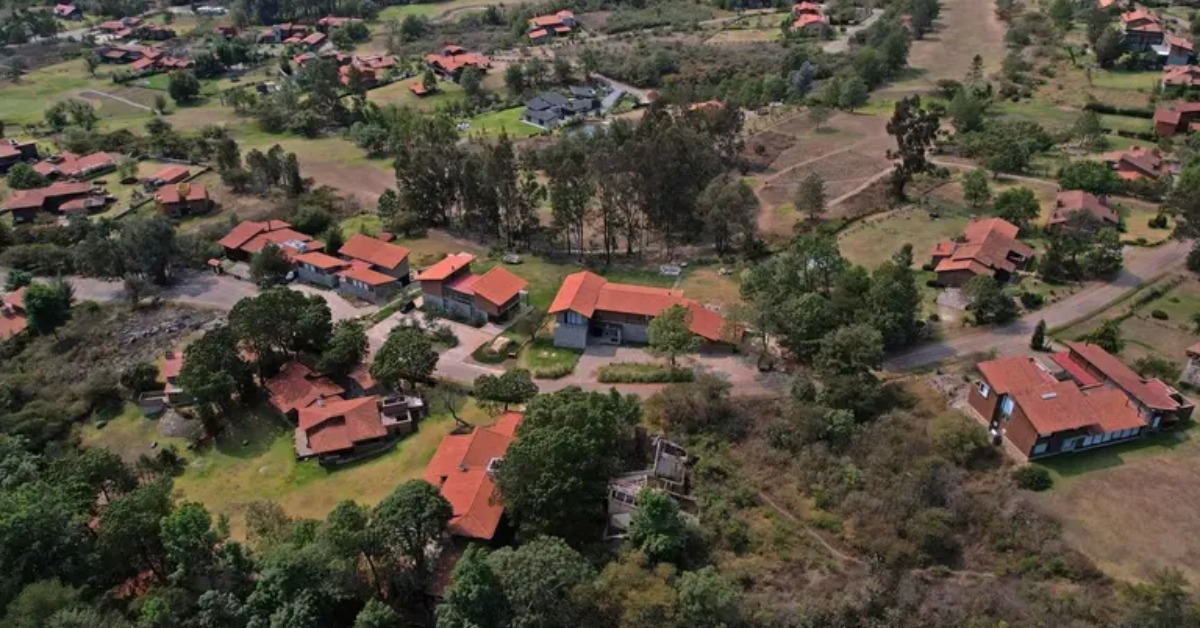
The government’s February timeline highlights a simple yet important detail. Intelligence teams first identified a trusted man tied to one of El Mencho’s partners. That trail led them to a property in Tapalpa, a mountain town in Jalisco, where the cartel leader was believed to be staying. Authorities say the partner later left, but El Mencho remained there. Once that was confirmed, federal forces moved.
The operation then escalated fast. Special forces, National Guard units, aircraft, and helicopters were brought in. Gunmen opened fire, and the confrontation shifted from the initial site to a wooded area nearby. Authorities say El Mencho was found wounded with two bodyguards after that second phase. He later died while being transported out of the area. For many readers, that part of the story was the headline in February. The arrest announced this week helps fill in what authorities say happened before the first shots were fired.
That is why the new detention matters beyond one suspect. The final raid may have ended in a dramatic death, but the path to that moment appears to have run through smaller, quieter movements. A close contact. A trip to Tapalpa. A short stay. A decision to remain in place. These are the kinds of details that often decide whether a major target stays hidden or becomes vulnerable. The arrest of José “N” gives the government a way to argue that the fall of El Mencho was not a sudden break, but the result of tracing that support chain.
The aftermath also shaped why this story still resonates. The February operation was followed by roadblocks, arson, and other attacks that disrupted daily life across several states. The wider message was clear. Even after the cartel leader’s death, the network around him still had the capacity to create disorder quickly. That made the support system around El Mencho a national issue, not just a local crime file in Jalisco.
What this says about CJNG after El Mencho
For international readers, it may seem unusual that so much attention is now focused on a man who was not the cartel chief and was not a public face of the organization. But that is often how these groups function. The people in the background can matter as much as the men at the top. A cartel depends on people who move relatives, partners, money, weapons, and vehicles without drawing notice. When authorities identify one of those people, they may learn more about the network than from a street confrontation alone.
That does not mean this arrest breaks the CJNG. The group has been one of Mexico’s most powerful criminal organizations, and its reach did not disappear with El Mencho’s death. What this detention may do is narrow the map. It may help authorities define who stayed close to the inner circle, how they moved through Jalisco, and what locations or routes were used to shield them. That is why the case matters beyond the single name in the arrest notice.
It also matters because Jalisco is not just a security headline. It is a place where people live, retire, invest, and travel. The February violence showed how a single federal operation can ripple into blocked highways, burned vehicles, and sudden disruption far from the original target. Seen from that angle, the arrest of José “N” is part of a larger question. Can authorities keep pulling apart the support network that allowed one of Mexico’s most wanted crime bosses to stay hidden for so long?
What remains unclear
Several parts of the case are still open. Authorities have not publicly detailed the quantity of drugs or weapons seized, the exact charges they plan to pursue, or whether the detention is expected to lead to more arrests. The February operation also still leaves gaps. The official account is clearer now on the broad sequence of events, but not every detail of the final confrontation or the retaliation that followed.
Even so, the arrest gives the public a sharper picture of how the government wants this story understood. Not only the fall of El Mencho, but also the dismantling of the people and movements around him. That framing may matter as much as the arrest itself. It suggests federal authorities are trying to turn a single dramatic raid into a broader case against the structure that protected one of the country’s most important criminal figures.