Puerto Vallarta, Jalisco, Oct. 7, 2026 — A local hotel manager told CUCosta tourism students this week that artificial intelligence is changing hotel operations and the skills new employees will need.
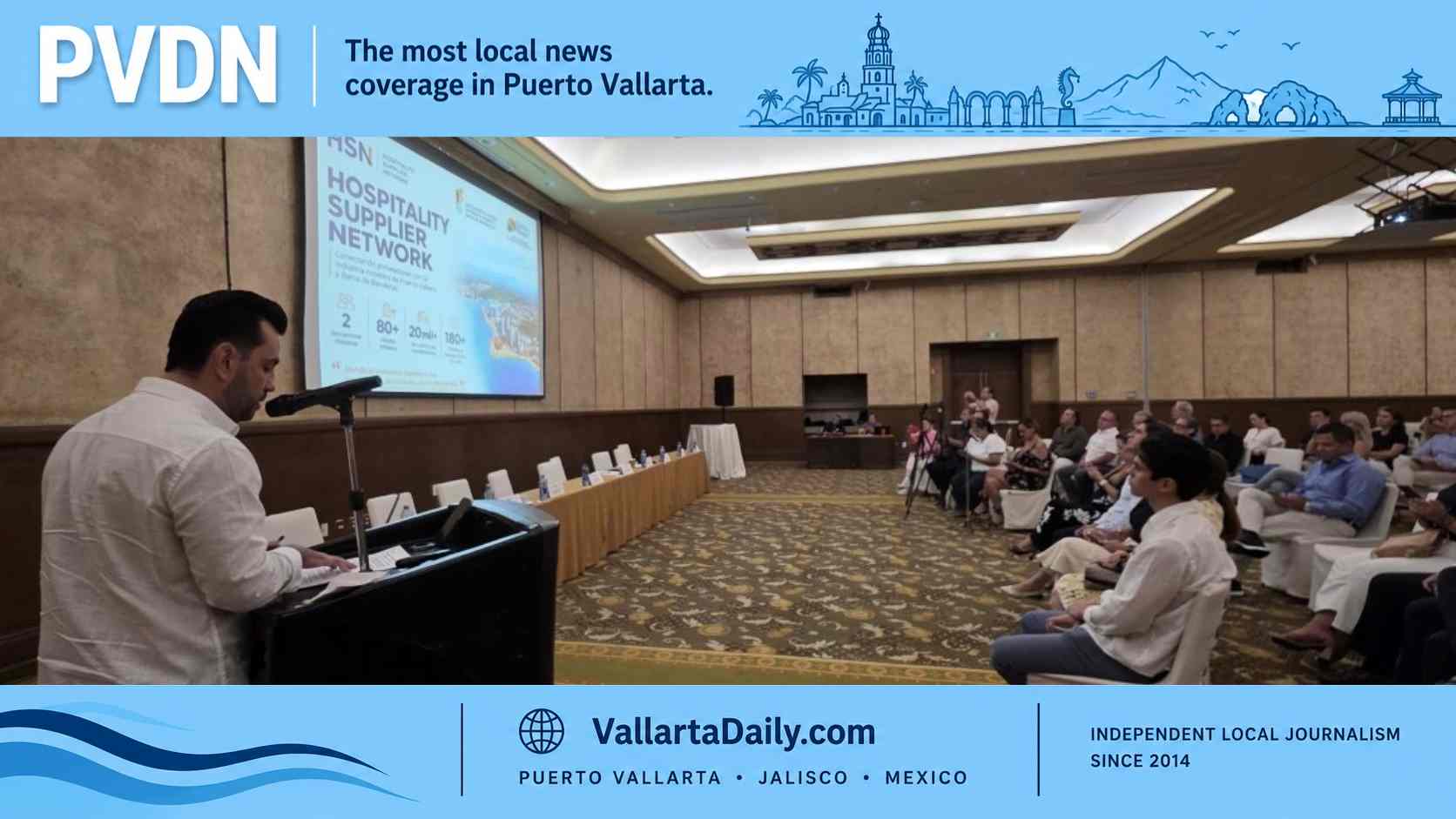
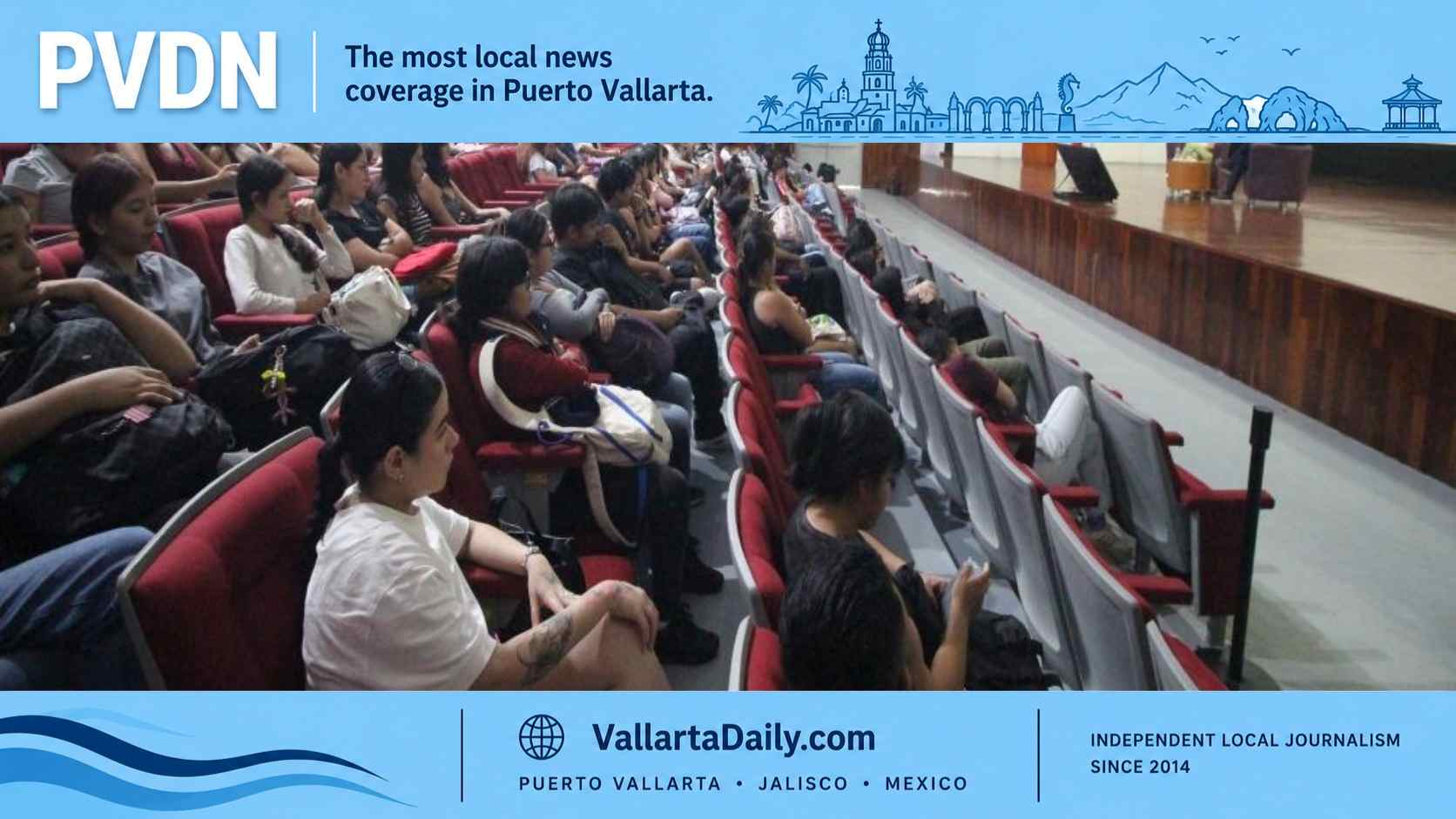
César Escalera Uribe, general manager of Fiesta Americana Puerto Vallarta on Boulevard Francisco Medina Ascencio, spoke Monday at the Dr. Juan Luis Cifuentes Lemus auditorium. An official university alumni announcement scheduled the conference for Oct. 5 at 11 a.m.
According to CUCosta’s report on the conference, the session focused on leadership, career development and the integration of AI into hotel operations.
The event was held on CUCosta’s Avenida Universidad campus in the Ixtapa delegation as part of activities surrounding World Tourism Day.
Hotel careers are adding a digital layer
For tourism students entering Puerto Vallarta’s workforce, Escalera’s message connected technology with skills hotels have long expected from managers and employees.
The university said he encouraged students to start gaining professional experience while still in school, set career goals, and stay willing to learn from mistakes. He also described hotel leadership as moving beyond authority toward listening to, supporting, and developing employees.
Artificial intelligence entered that conversation as another professional skill. CUCosta said Escalera encouraged students to become familiar with emerging tools as technology changes hotel operations and the competencies expected from tourism professionals.
For this report, we compared that message with current research on tourism employment. The trend extends beyond a single hotel in Vallarta.
A World Economic Forum review of changing workplace skills found that 69% of surveyed employers in accommodation, food and leisure expected AI and big-data skills to increase in importance through 2030.
The same research found that technology skills are growing alongside human skills such as analytical thinking, resilience, leadership and collaboration. That combination closely matches the subjects Escalera presented to the CUCosta students.
AI is already changing tourism work
The transformation is not limited to generating text or answering customer questions.
A 2026 OECD report on tourism and digitalization says artificial intelligence is increasingly being used to improve operational efficiency, personalize services and support data-based tourism management.
Earlier OECD research identified reservations, check-in systems, workforce planning, digital marketing and other administrative functions as areas where automation and digital systems can change how tourism employees work.
CUCosta’s account did not identify specific AI platforms being used at Fiesta Americana Puerto Vallarta, so those industry examples should not be attributed to the hotel.
The broader shift is still relevant in Puerto Vallarta, where hotels remain a major source of employment and continue to invest in workforce development.
Earlier this year, VallartaDaily reported that Costa Club Punta Arena signed a workforce training agreement with IDEFT, another example of local hotels placing greater emphasis on employee skills and professional development.
Human service remains part of the equation
Current research does not suggest technology will replace hospitality workers across the board.
The OECD has found that automation has already affected functions such as hotel reservations and check-in. At the same time, many customer-facing tourism jobs remain less exposed in the short to medium term because personal interaction remains part of the service visitors expect.
Its 2024 policy work on artificial intelligence and tourism recommends that governments and employers monitor AI’s effect on tourism jobs while preparing workers for changing skill requirements.
That distinction is significant for Puerto Vallarta. The emerging employment question is not simply whether hotels will use artificial intelligence, but which tasks will change and what employees will need to know as those tools enter daily operations.
Escalera also connected the discussion to his own career. He previously worked in hotel management in the Dominican Republic before returning to Puerto Vallarta, CUCosta said.
“I studied tourism at CUCosta because I had a dream,” Escalera told the students.
He returned to the Ixtapa campus this week as an alumnus managing one of the hotels along Puerto Vallarta’s main tourism corridor — this time telling the next generation of hospitality workers that learning the business now also includes learning how technology is changing it.