If you’re planning a quick ruins day from Cancún, the price you remember might not be the one you pay. INAH’s 2026 fee schedule reshuffles what visitors are charged at the region’s best-known archaeological zones, and the difference can be dramatic depending on whether you’re a tourist, a resident, or a Mexican national. The catch is that the “entry fee” isn’t always a single fee, especially at sites tied to protected natural areas. Here’s what’s changing and how to budget.
What changes on January 1, 2026
Starting January 1, 2026, INAH’s admission pricing moves to a four-category system, with a clearer split between two groups: Mexican citizens and foreign residents on one side, and most short-term visitors on the other. For many travelers, the headline is simple: the federal portion of admission at several marquee sites effectively doubles compared with recent years.
For expats living in Mexico, the story is more nuanced. If you have legal residency, the on-site difference can be the price of a coffee rather than the price of a meal, as long as you can show the document that qualifies you for the discounted rate.
Updated prices for Cancún and Riviera Maya favorites
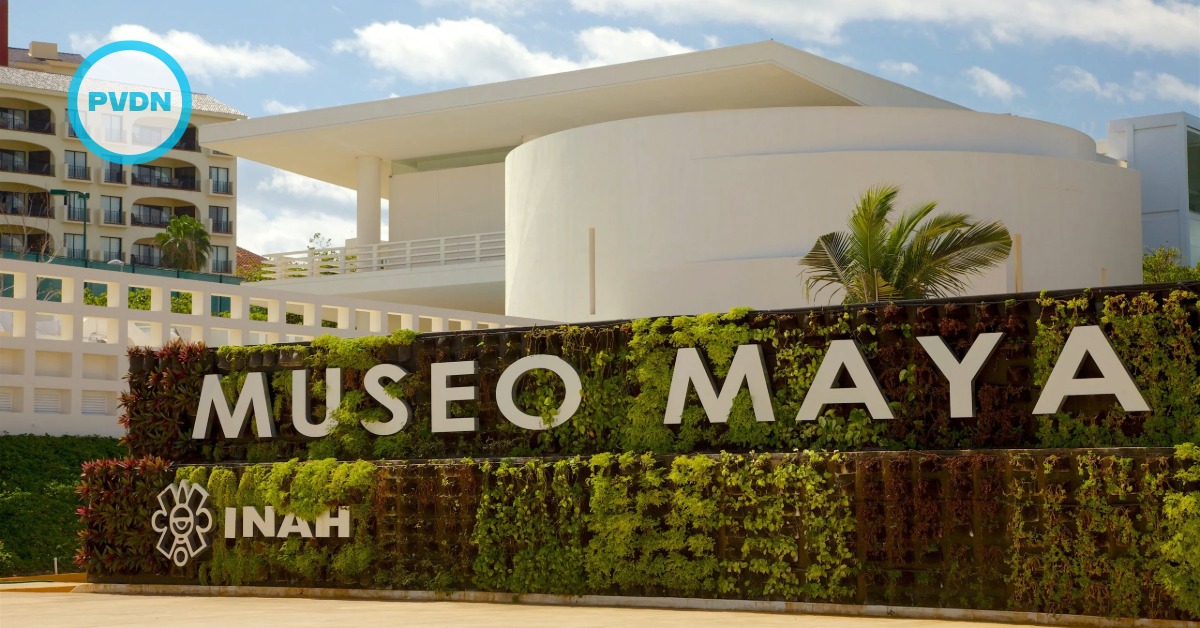
For visitors based in Cancún, Playa del Carmen, Puerto Morelos, Tulum town, or the wider Riviera Maya corridor, the biggest “day-trip” sites sit in the top tier. At Category I locations, including Tulum, Cobá, the Museo Maya de Cancún, and the adjacent San Miguelito archaeological area, the posted INAH admission is set at 210 pesos for most foreign visitors, while Mexican citizens and foreign residents pay 105 pesos with valid proof.
That same Category I pricing also applies to several places many Riviera Maya visitors fold into multi-stop itineraries, such as San Gervasio in Cozumel and the southern Quintana Roo site of Kohunlich. It also covers a couple of privately operated, high-traffic parks that have INAH archaeological areas inside them, such as Xel-Há and Xcaret, where the INAH component may be bundled into the broader admission you’re already paying.
Not every Quintana Roo ruin comes with the Category I premium. Mid-tier sites fall into lower brackets. For Category II in the state, the updated INAH ticket is 155 pesos for most foreign visitors and 85 pesos for Mexican citizens and foreign residents, a category that includes Dzibanché-Kinichná and Chacchoben, popular with travelers looping through Bacalar, Chetumal, or the Costa Maya.
For smaller, easy-to-miss sites that can still deliver a memorable hour, Category III sets the INAH price at 145 pesos for most foreign visitors and 80 pesos for Mexican citizens and foreign residents. In Quintana Roo, that includes places like El Meco near Cancún, El Rey in the hotel zone area, Muyil on the Sian Ka’an side of the Tulum region, and Oxtankah near Chetumal.
One more wrinkle matters for Riviera Maya travelers: Chichén Itzá. Many people visit it as a long day trip from Cancún or Playa del Carmen, but its INAH portion is treated differently under the federal schedule. The total cost of visiting Chichén Itzá is also shaped by separate charges that are not set by INAH, so the INAH increase may not be the only number that moves your final total.
How to pay less and avoid surprises
If you’re an expat with temporary or permanent residency, your best strategy is boring but effective: carry your residency card and show it before you pay. The discount is not automatic if you look foreign, and it’s not something you want to argue about after you’ve already bought a ticket.
It also helps to remember that INAH’s access rules include broad gratuity and exemption policies that can matter for families and visitors hosting guests. Sundays are widely treated as free-entry days for Mexican citizens and foreign residents who can prove their status, and there are long-standing exemptions for groups such as children under 13, teachers and students with valid credentials, seniors with the appropriate ID, and people with disabilities.
Finally, budget for the possibility that a site’s “total cost” includes more than INAH. Tulum is the clearest example in the region, since it sits alongside a protected-area framework that can add a separate conservation-style charge. Tours and transport packages may or may not include all required payments, so if the price looks too good, it’s worth asking one direct question before you leave: exactly which fees are included, and which ones you’ll still have to pay at the gate.