Starting in 2026, Mexico will charge more to enter its flagship museums and archaeological zones. Congress approved a change that doubles the standard ticket at places like the National Museum of Anthropology and Teotihuacán, while Mexican citizens and legal residents pay about half. The move aims to update federal fees after years of strain on cultural budgets, but it also raises questions about access and tourism costs. Here’s what changes, why it happened, and who will actually feel it.
Mexico is set to charge more to see its most-visited museums and archaeological zones in 2026. The change arrives with a political stamp: the lower house approved a package of adjustments to the Federal Rights Law that lifts cultural entry fees along with a raft of other government charges. The reform now heads to the Senate, where it’s expected to move as part of the 2026 economic package.
INAH ticket prices 2026
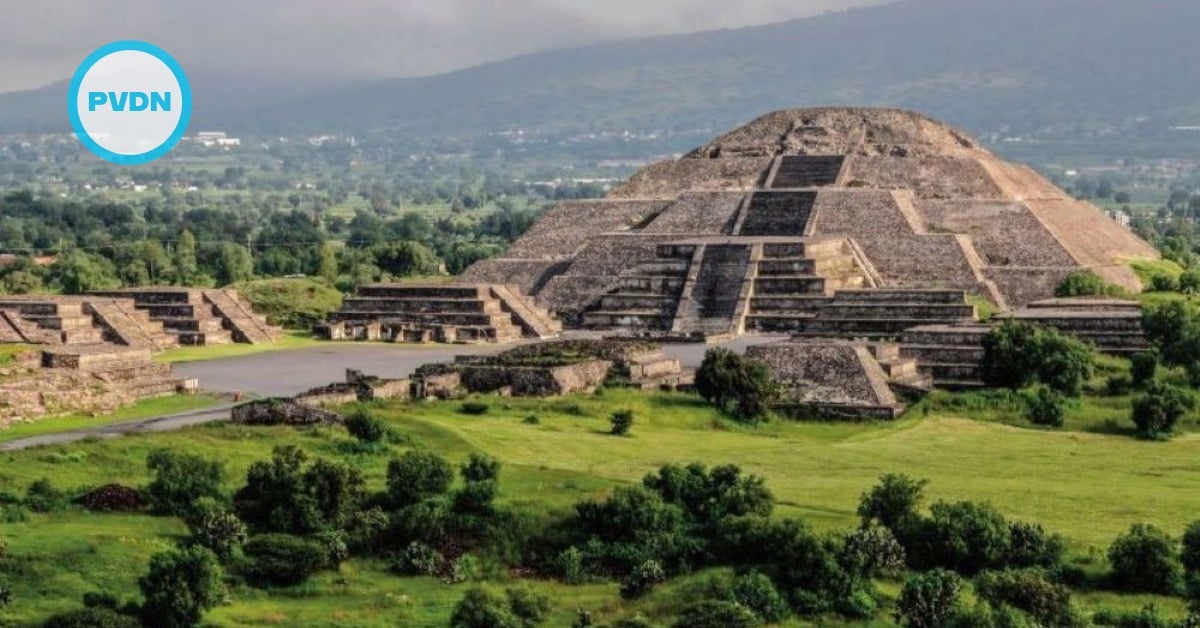
Here’s the top-line change: INAH ticket prices 2026 for “Category 1” sites—think the National Museum of Anthropology and Teotihuacán—will jump from about 95.58–100 pesos to roughly 209 pesos. Lawmakers added a relief valve for locals: Mexican citizens and foreign residents who can prove status will pay about half that amount, or 104.50 pesos. These figures are spelled out in coverage of the approved text and reflect the federal fee schedule that would kick in next year.
If you’re visiting with family, the headline number matters because the rise concentrates where demand is highest. Big-name sites will feel most expensive to international tourists, while residents and domestic travelers get a sizable discount at the gate. The government’s argument is straightforward: update outdated fees, bring them closer to what the market bears, and capture more revenue from international demand while keeping access affordable for people who live here. Supporters say it balances heritage protection with fairness; critics see another hit to household budgets and to cultural tourism.
What changes for visitors and why it matters
In practical terms, a standard family day at a marquee site will cost more for non-residents. A couple of foreign visitors paying the new Category 1 rate will feel the jump. For locals, the half-price rule softens the shock. That split pricing echoes a broader policy trend—protecting access for residents while asking visitors to shoulder more—already seen in destination taxes and city fee schemes worldwide.
It also lands in a year when cultural institutions have faced real-world strain. Museums managed by the National Institute of Anthropology and History saw closures and staffing shortages earlier this year, underscoring how fragile operations can be when budgets tighten. The new pricing, if paired with better funding and staffing, could help stabilize schedules and crowd management at high-traffic venues. But higher prices alone won’t solve maintenance backlogs or hiring gaps.
For context, this year’s official baseline set general admission at 100 pesos for Category 1 sites, 80 pesos for Category 2, and 75 pesos for Category 3. The 2026 reform builds on that framework and ratchets up the top tier most aggressively. That’s why places like the National Museum of Anthropology, Teotihuacán, and Chichén Itzá sit at the center of the debate: they anchor Mexico’s cultural branding and draw the largest crowds, so any change there ripples through tour budgets and local economies.
Zooming out, this is also about the politics of who pays. The lower house approved the reform with a wide margin after a long night of debate over broader fees, from immigration paperwork to aviation and telecom services. The museum hike is a small line item in that larger package, but it’s the change most travelers will notice. The Senate still has to take it up, and implementation details can shift during the final push. For now, plan on higher sticker prices at Mexico’s marquee cultural sites next year—and a lighter bill if you carry a Mexican ID or residency card.