A slick car ad shot on Boca de Tomates backfired this week. The clip shows a vehicle ripping across wet sand mere feet from the surf—on one of Banderas Bay’s most important turtle nesting beaches. Puerto Vallarta’s environmental office and Profepa say they’ll admonish JAC and require the removal of the video. Conservationists point to long-standing rules that prohibit motorized traffic on nesting beaches, where lights, noise, and vibrations can harm eggs and hatchlings. The ad may be gone soon, but the questions it raised aren’t.
Puerto Vallarta’s environmental office and Mexico’s federal environmental prosecutor (Profepa) will admonish automaker JAC after a promotional clip showed one of its vehicles driving at speed on Boca de Tomates beach, a protected turtle-nesting zone at the north end of the city. Authorities also stated that the company must remove the video.
The footage, circulating on social platforms, appears to show a car barreling across wet sand just meters from the waterline on a stretch that aligns with Boca de Tomates. Local officials emphasized that only light, conservation-use vehicles—weighing under 300 kilograms and operated by accredited turtle camp staff—are permitted on nesting beaches. Publicity shoots and private cars aren’t.
Why Boca de Tomates matters
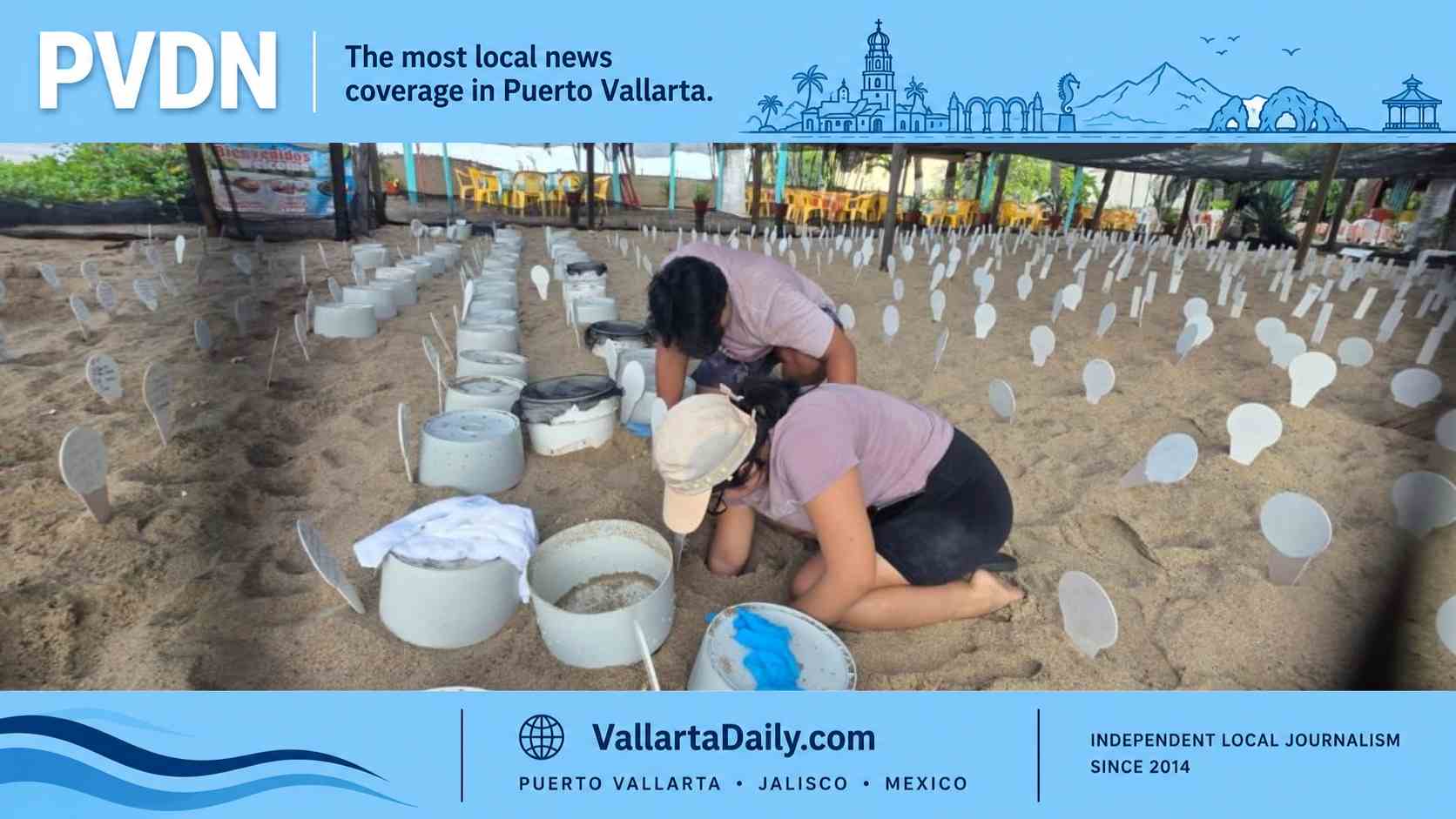
Boca de Tomates is one of the Bay of Banderas’ key rookeries, with active turtle-camp operations and ongoing releases during the season. It’s also an ecologically sensitive area near an estuary known for crocodiles and other native fauna—one reason authorities have fenced access points and posted wildlife warnings. Driving on nesting sand can compact or expose eggs, disorient hatchlings, and damage the dune system they need.
Mexico’s framework for protecting nesting sites is clear. All sea turtle species in the country are officially listed as being in danger of extinction, and NOM-162-SEMARNAT-2012 establishes binding rules for their protection and management on nesting beaches. The norm’s guidance, backed by federal law, limits activities that can stress turtles and their nests, making room only for handling tied directly to conservation work. Boca de Tomates itself has seen past federal enforcement actions in the surrounding federal maritime zone (ZOFEMAT), underscoring the area’s sensitivity.
Local concern isn’t new. Conservation groups and residents have pushed for tighter oversight as the current nesting season advances. Recent local coverage has spotlighted the risks of poaching and reiterated the basics for beachgoers—keep a distance, avoid bright lights, and call authorities if you find a stranded turtle—context that helps explain why an ad shot on the same sands struck such a nerve. Public tolerance for stunts on nesting beaches is low.
What happens next
Officials say the immediate step is an admonishment—a formal warning and corrective request—and the removal of the ad. While authorities did not detail further sanctions, the rulebook provides tools if needed: when activities on nesting beaches lack proper authorization or pose a risk to wildlife, Profepa can escalate with inspections, fines, or closures. Prior actions in Boca de Tomates’ ZOFEMAT show that enforcement is not hypothetical. For brands, the lesson is simple: ask first, shoot later, and keep vehicles off the nesting sand.