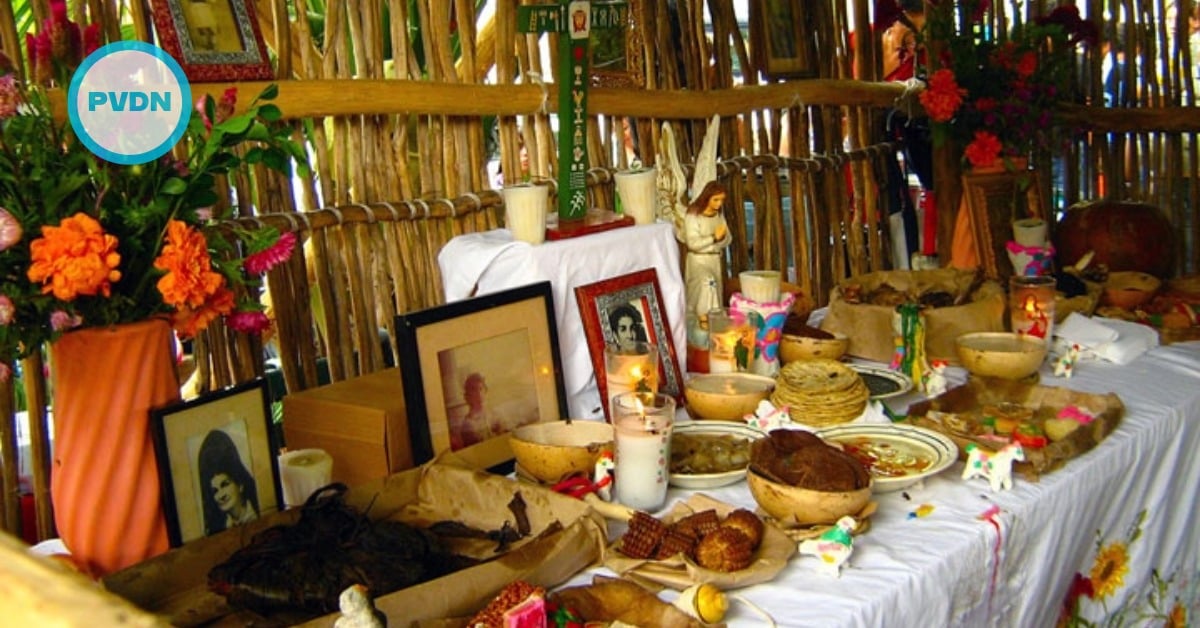
Playa del Carmen is betting big on culture this Day of the Dead. The city will stage the Janal Pixan festival from October 31 to November 3, with 386 artists, altars that span 24 states, and a candlelit parade down Quinta Avenida. Officials say last year’s crowds topped five thousand at the main altar and expect hotel occupancy above eighty percent this time. It’s not just spectacle. It’s an identity play—rooted in Maya tradition, designed to make Playa more than a beach stop.
Janal Pixan festival
Playa del Carmen wants to be known for more than sun and sand. This year’s Janal Pixan festival—set for October 31 to November 3—puts culture at center stage, with dance, music, theater, parades, and ritual rooted in Maya tradition. The city says 386 artists and students are on the bill, from folkloric and pre-Hispanic dance to mariachi, son jarocho, and contemporary acts. The mayor, Estefanía Mercado, framed it as a community celebration and a statement of identity.
The program was presented at Cenote Chaak Tun, a symbolic choice for an event that blends memory, ritual, and tourism. The municipality’s announcement details the dates, the 386-artist roster, and a coordinated safety plan with police, Civil Protection, and firefighters to keep it family-friendly across four days. It also sets expectations: surpass last year’s turnout and push hotel occupancy above eighty percent.
What to expect on the streets
Expect altars—lots of them. Playa plans a major exhibition with representations from 24 Mexican states, a way to showcase how remembrance looks beyond the Riviera Maya while keeping the focus local. The signature “Paseo de las Ánimas” will move down Quinta Avenida, and the city is planning guided visits to municipal cemeteries. Last year, the main altar lighting drew more than five thousand people; officials hope to top that with a broader, citywide schedule this time.
Culture plays well with commerce, and Playa isn’t shy about saying so. City leaders link the festival to an economic lift for hotels, restaurants, and artisans, pointing to projected occupancy north of eighty percent over the long weekend. Those numbers come with the usual caveats—weather, airline loads, competing events in nearby destinations—but they show how seriously Playa is taking the bet that culture can anchor shoulder-season demand. For a destination long defined by nightlife and beach clubs, that’s a strategic pivot.
The deeper meaning behind the color
At the heart of all this is Janal Pixán—“comida de las ánimas,” food for the souls—a living Maya tradition in which families welcome their dead with ofrendas, candles, and the aromas they loved in life. That’s why the festival favors processions, altars, and ritual over pure spectacle. If Playa wants to become an actual cultural reference in the Caribbean, leaning into the meaning, not just the marketing, is the path.