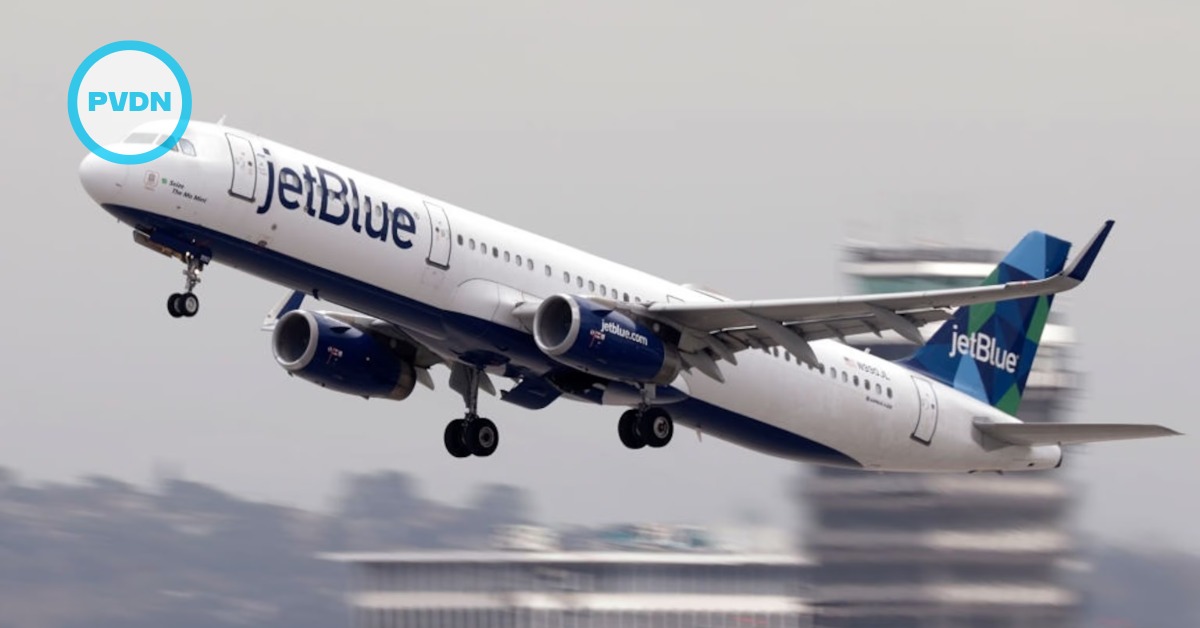
A routine hop from Cancún to Newark turned frightening when a JetBlue Airbus A320 suddenly lost altitude and diverted to Tampa. The JetBlue emergency landing brought ambulances to the gate and sent multiple passengers to hospitals with non-life-threatening injuries, according to local officials. The airline cites a “flight control issue,” and the FAA has opened an investigation. Flight 1230 landed safely around 2:20 p.m. ET, and the aircraft was pulled from service for inspection. Here’s what we know so far—and what investigators will be looking at next.
JetBlue emergency landing
A JetBlue flight from Cancún to Newark diverted to Tampa International Airport on Thursday after a sudden drop in altitude left passengers and crew hurt. Flight 1230, an Airbus A320, landed safely at about 2:20 p.m. ET. Tampa Fire Rescue evaluated roughly 15 to 20 people and transported several with non-life-threatening injuries. JetBlue removed the aircraft from service for inspection and said safety is its priority. The FAA has opened an investigation into what the airline described as a “flight control issue.”
People on board told responders the descent came fast, tossing passengers and carry-ons. Pilots radioed ahead about injuries and the suspected control problem as they aimed for Tampa’s long runways and medical response. Early tallies varied—a common feature in fast-moving events—but officials later said at least 15 people were injured. The A320’s crew guided the aircraft to a safe landing without further incident, and a replacement flight handled onward travel.
What investigators will look for next
Investigators will piece together flight-data recordings, cockpit audio, and maintenance logs to understand what triggered the rapid descent. The FAA’s initial statement notes the crew reported a flight control issue, a category that can span software, hydraulics, or sensor inputs that affect how the jet responds. The airline’s maintenance team and federal officials will scrutinize both hardware and recent work on the plane, while passenger and crew interviews help clarify how the cabin injuries occurred.
Commercial aviation remains extraordinarily safe, but abrupt altitude changes can injure unbuckled passengers or those standing. That’s why crews keep urging seatbelts, even when the light is off. In this case, the crew’s quick diversion—and ground teams staged at the gate—helped turn a jarring midair problem into a controlled landing with no life-threatening injuries reported. Expect a preliminary readout from regulators before a final report details the chain of events and any fixes to prevent a repeat.