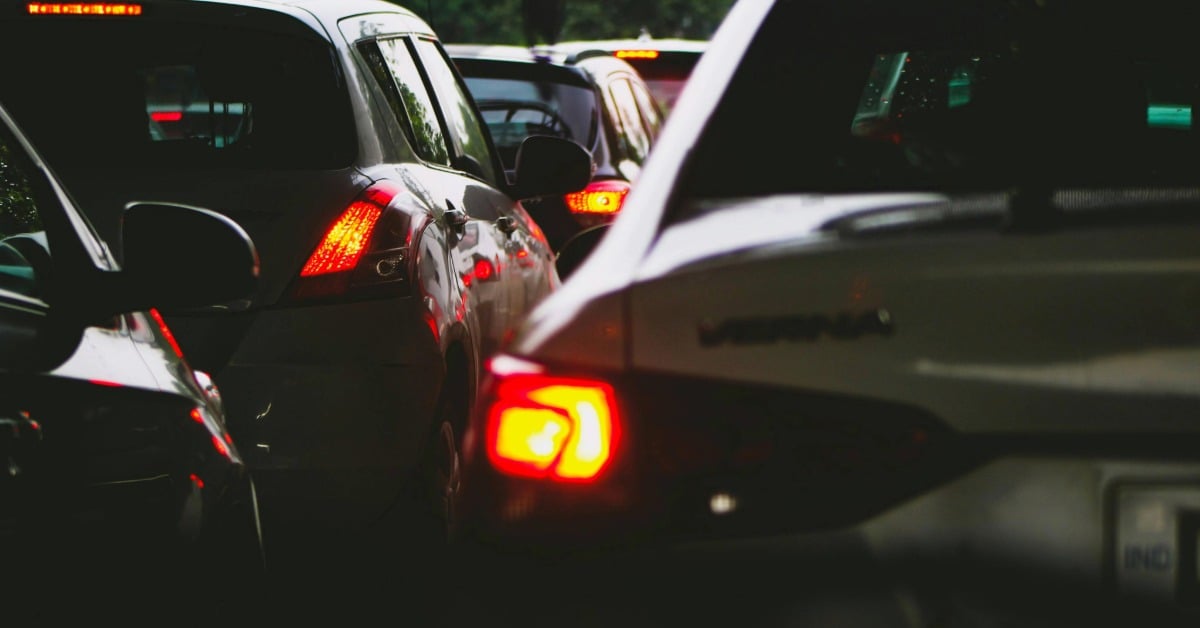
Ciudad Juárez is moving more metal than people. New reporting tallies three years of high crash counts, hundreds of deaths and injuries, a record vehicle fleet, and a thin traffic force trying to manage it all. We verified the headline figures, matched them to INEGI’s accident and vehicle data, and checked the actions taken by the state and city regarding radar enforcement and the Juárez Bus rollout. The picture is clear: Juárez traffic crisis is not rhetoric; it’s a daily reality with human costs and slow fixes.
Juárez traffic crisis
A new Norte Digital dispatch captures what drivers already feel: more vehicles, more crashes, fewer safe ways out. Their summary cites 18,637 traffic accidents in three years, 281 deaths, more than 5,600 injuries, 752,696 registered vehicles—a state record—and about 210 transit officers responsible for a city of nearly 1.6 million. We confirmed the publication date as August 28, 2025. The scale is sobering and tracks with official trend lines.
The longer arc supports that story. INEGI’s accident statistics show Juárez near the top nationally for urban traffic deaths in 2023. Local outlets, drawing on those datasets, reported 85–86 road fatalities that year—the highest among municipalities—while collisions and pedestrian impacts stayed stubbornly high.
More cars, rising risk
The vehicle fleet continues to grow faster than the city can absorb. INEGI’s registry confirms the surge in units on the road, and local civil society monitors documented 556,718 private cars in 2022 versus just 3,884 public buses, underscoring a mobility model centered on cars. Norte Digital’s new figure of 752,696 vehicles reflects that acceleration into 2024–2025, consistent with growth patterns seen in official registries.
Human consequences follow the math. Crash totals remained high through 2024, with authorities noting a slight decline in deaths but an increase in collisions and pedestrian strikes. Those patterns mirror what residents describe: faster speeds on wide arterials, distracted driving, alcohol consumption, and long commutes that contribute to fatigue.
Thin enforcement, uneven capacity
Norte Digital’s snapshot lists about 210 fielding transit officers for the whole city. A separate restructuring this year folded roughly 300 former Traffic Directorate agents into the municipal security secretariat, but “on paper,” headcount does not always mean more visible enforcement at intersections or crash hotspots—staffing, training, and deployment matter.
The state has leaned on automated enforcement. Since mid-2024, the SSPE’s Radar program has issued more than 15,600 sanctions, and the state claims a 50% reduction in speed-related crashes on targeted corridors. That is real capacity—though it only works where cameras sit, and drivers learn the blind spots quickly.
What the city is doing
Transit policy is not standing still. After years of delays, the state relaunched BRT-1 (Juárez Bus) in December 2024 and added nine more stations and 10 additional kilometers in July 2025. Officials tout projected daily ridership gains and more effortless fare loading. Bigger buses and dedicated lanes can transport more people per lane than cars, provided they run reliably and connect to areas with jobs and schools.
The Municipal Planning Institute (IMIP) publishes traffic counts and network models that pinpoint where volumes increase. Those tools help prioritize signal timing, turn restrictions, median protection, and pedestrian refuges. But converting plans into safer streets requires sustained funding and coordination across the city, state, and transit operators.
Why this matters to families here
This is not an abstract congestion story. It’s morning drop-offs on Avenida Tecnológico with impatient merges. It’s night shifts in Zaragoza where speeding meets fatigue. It’s walkers and cyclists squeezed into narrow shoulders. When crashes rise, households lose wage earners, children lose parents, and recovery drags on for months. A Juárez traffic crisis means higher costs for everyone—medical bills, lost hours, and a city that feels less livable.
Evidence-based steps exist. Expand automated enforcement to proven hotspots and publish the metrics. Keep the Juárez Bus reliable with all-day frequency and safe transfers. Protect crosswalks and bus stops with concrete, not paint. And staff the traffic force to match a vehicle fleet measured in the hundreds of thousands, not the city of Juárez was twenty years ago.
The data trail—from Norte Digital’s roll-up, to INEGI’s registries, to the state’s enforcement claims—points the same way: more cars, more crashes, and an urgent need to move more people with fewer vehicles. Policy has started to shift, but outcomes will lag without steady investments and transparent reporting that residents can see and trust.