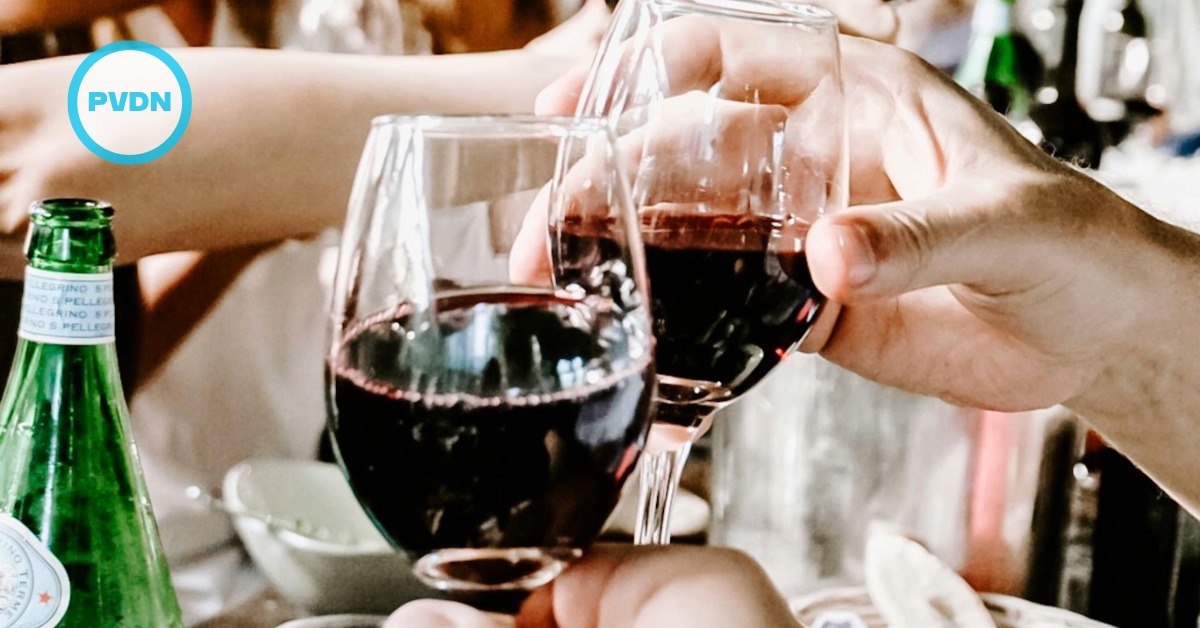
La sobremesa in Mexico is the time you stay after eating to talk, connect, and relax. Learn cues, pacing, and how to join in without rushing anyone.
The first time I ran into it, I was sure I had missed a cue.
The meal was finished. Plates were stacked. Someone wiped the table. I started doing that quiet little exit dance. The one that says, “Thank you, I’ll head out.” My body was already halfway to standing.
Then nobody moved.
Instead, the room softened. A mug hit the table. Coffee appeared like it had been waiting backstage. Someone told a story they clearly didn’t want to rush. Another person laughed with their whole chest. The energy didn’t drop. It opened.
I learned, right there, that my internal clock was loud. Mexico’s clock was gentler. And the space between those two clocks is where La sobremesa Mexico lives.
It’s easy to misread when you’re new. In many places, the meal is the event. In Mexico, the meal can be the doorway. The part that follows is where people stop “hosting” and start just being together.
La sobremesa Mexico
If you like clean definitions, the Real Academia Española keeps it simple. Sobremesa is the time you stay at the table after eating, usually talking. Seeing it in print helped me relax about it, because it confirmed what I was watching in real life. Here’s the entry: https://dle.rae.es/sobremesa.
But in Mexico, sobremesa isn’t only “time.” It’s a signal. It says, “We’re not done being here with each other.”
It often starts small. A refill. A slice of fruit. Someone offering pan dulce like it’s no big deal. Then, without announcement, the conversation gets better. Not louder. Better. The kind of talk that doesn’t fit between bites.
I used to think pauses were awkward. At a Mexican table, I learned that they can be comfortable. Silence isn’t a failure to entertain. It’s a breath. It’s a sip. It’s people letting a thought arrive instead of dragging it in.
What it looks like depends on the setting. In someone’s home, sobremesa can stretch until the kitchen is quiet and the kids get sleepy. In a busy fonda, it may be shorter, but you still feel it in the way nobody rushes the goodbye. Even the smallest chat can carry warmth, if you let it.
At a business lunch, sobremesa can be the real meeting. The “work” part happens during the meal. The trust part happens after. You can feel the shift when shoulders drop, and voices soften. People stop performing competence and start showing personality.
This explains why you need to ask for your check at a restaurant, rather than having the check placed on your table the moment the waiter clears the plates.
Holidays make sobremesa feel like a second dinner that isn’t about food. Someone remembers a relative. Someone retells the same story, and nobody complains. Newer people listen more than they talk, at first, and that’s fine. Over time, you get folded in. Quietly. Naturally.
The Fundación BBVA dictionary describes sobremesa as the time after eating when people remain together and talk. That’s accurate, and it also hints at the heart of it. You’re staying because you want to, not because you have to. You can read that definition here: https://www.fbbva.es/diccionario/sobremesa/.
I’ve come to think of sobremesa as a social glue that doesn’t brag about itself. It builds closeness in small doses. It gives you a chance to notice who people are when the “event” is over. It’s where jokes land better because nobody is racing the clock.
And it’s where newcomers often get their first real shot at belonging. Not through perfect Spanish. Not through knowing the right rules. Through staying long enough to be seen as a person, not a passing guest.
How to join, linger, and leave at the right moment
What made sobremesa click for me wasn’t a checklist. It was a feeling in my chest when I stopped trying to “time” the night.
I started paying attention to the tiny signals, not like a nervous tourist, but like a friend. If someone refills your cup, the table is still open. If a new story begins, the moment is still alive. If phones stay down, people are still choosing each other.
The best way I’ve found to join is to bring your attention, not your performance. I ask small, real questions. I let people answer without steering them. I laugh when something is funny. I don’t scramble to fill every quiet beat. The table doesn’t need me to keep it going. It only requires me to be present.
Leaving is where a lot of expats get tangled up, because we’re trained to make exits efficient. Sobremesa asks for softness. A good goodbye doesn’t snap the thread. It loosens it.
When I need to go, I’ve learned to let the table see it coming. I’ll mention the early morning. I’ll thank the host in a way that sounds like I mean it. Then I wait for a natural lull, the same way you wait for a break in waves before stepping out of the ocean.
“Con permiso” can feel old-fashioned until you hear how warm it lands. “Muchas gracias” matters more than cleverness. If people are still seated and eating, “provecho” carries respect. It’s not about perfect etiquette. It’s about leaving the door open, emotionally, so next time feels easy.
If you want another window into why this feels so different from the rushed after-dinner habits many of us grew up with, there’s a readable piece from George Washington University’s study abroad program that treats sobremesa like a way of living, not a vocabulary word: https://studyabroad.gwu.edu/sobremesa-way-life-unknown-washingtonians.
These days, when the plates clear, I don’t reach for my bag right away. I lean back. I take the coffee if it’s offered. I let the room become itself.
That’s the quiet gift of La sobremesa Mexico. It turns “dinner” into “we know each other a little better now.” And for anyone trying to move from visitor energy to neighbor energy, that’s a big deal hiding in a very ordinary moment.