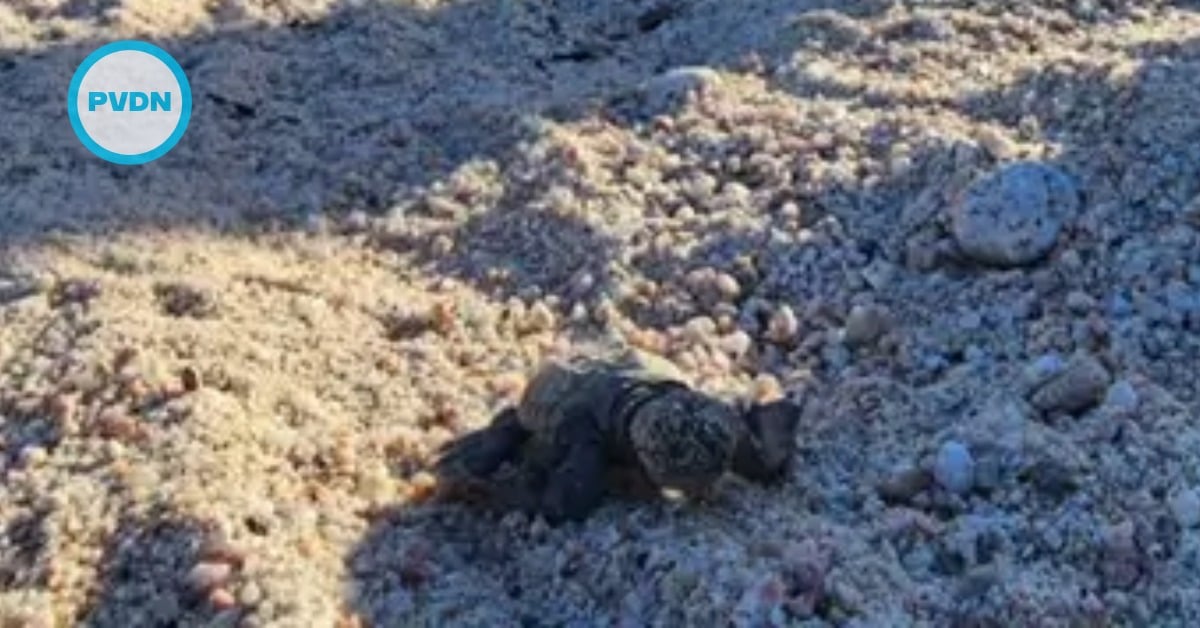
Baja California Sur just logged its first leatherback turtle nest of the 2025–26 season near La Ventana, a rare and fragile win for a species on the ropes. Conservation teams say Los Cabos’ incubators and beach patrols are already in motion, aiming to give every egg a real shot at the ocean. Officials have stepped up rescues across the corridor, while global data underscore how few leatherbacks remain. Here’s how the nest was found, what protection looks like, and why it matters now.
First leatherback of the season appears in Baja California Sur
An environmental report confirmed the first leatherback turtle nest of the 2025–26 season in Baja California Sur. The nest was located near La Ventana, in the municipality of La Paz. Local conservationists documented and protected the site overnight to prevent disturbance and poaching. Regional authorities say monitoring brigades are active across key beaches where nests can surface after storms or during high tides. Early action is essential for this species, which lays fewer nests here than other turtles.
Los Cabos officials say infrastructure for incubation is ready. That includes corrals where eggs can be relocated when surf, predators, or people threaten the nest. Federal inspectors recently reported intensified patrols, hundreds of protected nests in the municipality, and supervised hatchling releases. Those operations aim to keep vehicles off nesting zones, reduce artificial light, and respond quickly to public reports. The measures reflect years of training with hotel staff and volunteers ahead of peak arrivals.
Leatherback turtle nest protection ramps up
The Los Cabos corridor relies on rapid relocation when a nest sits too close to the wash. Incubation corrals provide a stable temperature window and controlled access at hatching, preventing crowds from unintentionally crushing or disorienting babies. Federal environmental prosecutors describe an uptick in patrols this month and the transfer of nests to protected sites specifically to blunt those risks. Their advisory emphasizes calling authorities rather than touching eggs or hatchlings, a message repeated at hotel beaches and public access points. Read the latest enforcement bulletin from Profepa for the details of this year’s operation.
Leatherbacks remain one of the world’s most threatened sea turtles. The East Pacific subpopulation—relevant to Mexico’s Pacific coast—is listed as Critically Endangered by global assessors. Long-term surveys show steep declines due to egg harvest, bycatch, and habitat pressures. That context explains why a single nest triggers such a coordinated response across Baja California Sur. Local teams focus on quiet beaches, dim lighting, and tight perimeters around corrals to boost survival odds. You can review the current conservation status here and the municipal training notice that was prepared for Los Cabos for this season.