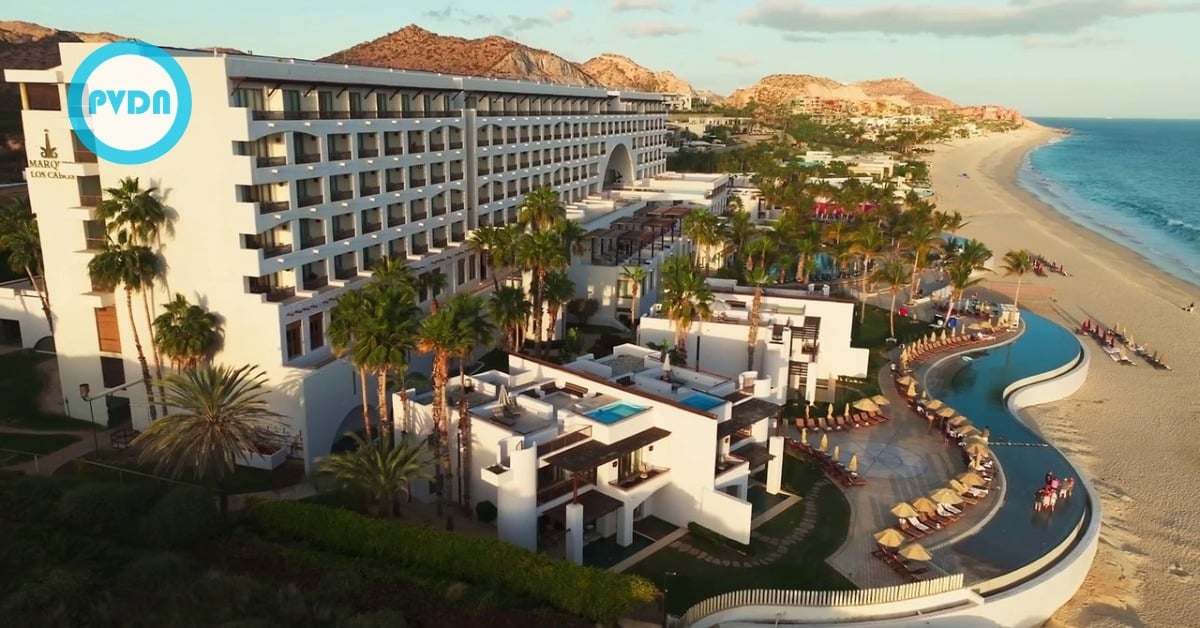
A quiet technical briefing at a beachfront resort could trigger real change on the ground. Los Cabos’ municipal disability institute (IMDIS) walked hotel managers through an accessibility diagnostic—a friendly audit designed to find practical fixes, not issue fines. That single session at Hotel Marquis is now a template. IMDIS is inviting more businesses to open every doorway, ramp, and bathroom to travelers with disabilities—and to residents who live here year-round. If momentum holds, Los Cabos could move from pockets of access to a destination-wide standard.
Los Cabos’ municipal disability institute says a recent accessibility diagnostic at Hotel Marquis isn’t a one-off. It’s the start of a broader push to make the destination work for travelers and residents with disabilities. IMDIS, the local public agency focused on disability inclusion, presented the findings to hotel leadership and invited more tourism businesses to volunteer for similar reviews. The institute frames the diagnostic as “friendly” and free, meant to identify fixes rather than punish laggards.
At the session, IMDIS staff outlined “reasonable adjustments” hotels can implement without waiting for a major renovation—things like clear accessible routes, appropriately marked parking, reachable counters, and bathrooms with grab bars and adequate turning radius. The director, Fernando Altamirano Valdez, emphasized persuasion and partnership over sanctions to build sustained buy-in from managers. That soft-power approach tracks with the institute’s public mission to improve the quality of life for people with disabilities through rights-based policies and practical support.
Los Cabos accessibility program
Hotel Marquis itself highlights a mix of accessible features. Its public “Notice of Accessibility” cites a wheelchair-accessible path of travel from the entrance to most areas of the property, accessible elevators and rooms, and routes to lobbies, dining rooms, and meeting spaces. Beach access remains a common weak spot at oceanfront properties, and the hotel acknowledges that limitation. Even so, a documented baseline makes it easier for third-party checks like IMDIS’ diagnostic to be specific and actionable. This is the quiet mechanics of change: write it down, test it on site, then fix it.
The public pitch matters in Los Cabos, where tourism is the engine and image counts. Earlier this year, the local tourism board (FITURCA) promoted inclusive travel offerings and tools on Visit Los Cabos’ site, part of a broader effort to court visitors who require accessible transport, rooms, and experiences. That effort dovetails with municipal moves like IMDIS’ free diagnostics and state-level initiatives, including an accessibility-focused emergency-assist app rollout for people with disabilities. Together, they hint at a slow but cumulative shift from ad-hoc accommodations to an integrated ecosystem.
IMDIS is also working the modern playbook: post the site visits on social channels, tag the hotel, and invite peers to volunteer. The point is that less publicity is needed than social proof—show one resort stepping forward, and others will follow. Early coverage from local outlets and community pages has mirrored that strategy, repeating IMDIS’ message that participation is voluntary and non-punitive, and that the goal is a destination-wide standard. For a market where reputational risk drives decisions, that framing lowers the barrier to entry.
What changes for travelers and locals now
In the short term, travelers should still plan carefully, confirm room specifications, and ask detailed questions about routes, elevators, pool lifts, and bathrooms—especially at beachfront properties. But the Los Cabos accessibility program provides a more straightforward path to progress: hotels that invite IMDIS on-site will have a prioritized punch list and a municipal partner to pressure vendors and owners for fixes. Third-party tools and listings can help travelers compare options while the upgrades roll out.
Longer term, the question is scale. A friendly diagnostic is an on-ramp. The follow-through—procurement, training, and measured deadlines—turns intent into access. If Los Cabos coordinates that next step across properties and public spaces, it can move beyond isolated wins. The hotel visit this week was small. The implications are not.