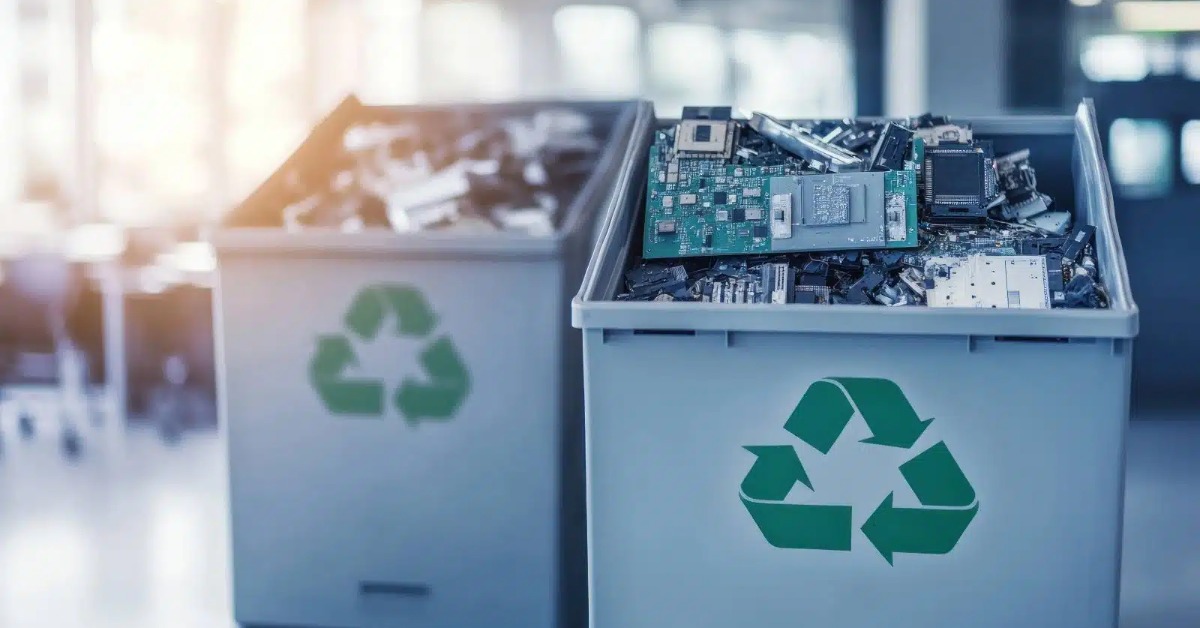
Los Cabos residents who have recyclables piling up at home will have more options in May. Municipal officials are expanding collection days in Cabo San Lucas and San José del Cabo as participation grows. The program accepts everyday materials such as glass, PET plastic, Tetrapak, cans, cardboard, and paper. The campaign also fits into a larger local push to improve waste handling in a destination where household trash, tourism activity, and limited disposal options often collide.
Los Cabos Recycling Drop Off Days
Los Cabos will hold biweekly recycling drop-off days in May in both Cabo San Lucas and San José del Cabo, giving residents another way to clear out recyclable waste from their homes.
The municipal program is being organized through the area responsible for Environmental Education, Outreach, and Promotion. Officials said the added dates come after more residents, schools, and businesses began using the collection points.
In Cabo San Lucas, the May drop-off days are scheduled for May 13 and May 27 at Plaza León Cota Collins, in the delegation area. In San José del Cabo, the drop-off days are scheduled for May 15 and May 29 at the Rodrigo Aragón Ceseña sports facility.
The program accepts common recyclable materials, including glass, PET plastic, Tetrapak, aluminum, cans, cardboard, and paper. PET is the plastic often used for water and soft drink bottles. Tetrapak usually refers to boxed drinks and food cartons, such as milk, juice, and broth containers.
More households are using the program
The May schedule reflects a practical problem many households know well. Recycling can build up quickly when collection points are limited, especially in homes that separate cardboard, bottles, and cans from regular trash.
Municipal officials said the program is moving to a twice-monthly format at residents’ request. For many people, holding on to recyclables for a full month can be difficult, especially in apartments, smaller homes, or shared housing.
The effort also gives residents a clearer option than leaving recyclable items mixed with regular garbage. Once recyclables enter the general waste stream, they are harder to recover and more likely to end up in a landfill.
What residents should prepare before going
Residents should bring materials clean, empty, and separated where possible. Rinsing bottles, cans, and cartons helps reduce odors and makes the materials easier to handle.
Cardboard should be flattened when possible. Paper should be kept dry. Glass should be handled carefully and packed to reduce breakage during transport.
The accepted May materials include everyday household recyclables. Residents with items such as batteries, electronics, expired medication, or used cooking oil should confirm separately whether those items will be accepted on a specific date. Some past collection campaigns in Los Cabos have accepted special waste, but the May announcement centered on standard recyclable materials.
Where the materials go after collection
Collected materials are not handled as a single waste pile. They are separated and directed to participating recycling companies or reuse programs.
Some materials are processed locally, while others may be sent outside Baja California Sur for final handling. Officials also said some materials, including cardboard and glass, are being used in reuse workshops.
One example is glass-cutting work, where bottles can be turned into household or craft items. These programs are part of a broader circular economy approach that focuses on keeping materials in use longer rather than treating them as disposable waste.
Part of a larger waste challenge in Mexico
Local recycling days may seem small, but they connect to a larger issue across Mexico. Federal environmental policy has been moving toward stronger waste recovery, recycling, and circular economy programs.
For resort areas such as Los Cabos, the issue is especially visible. Tourism, population growth, and construction all add pressure to local waste systems. Regular drop-off points can help reduce the amount of recyclable material that ends up in ordinary trash.
For foreign residents, the May schedule is also a reminder that recycling systems in Mexico often work differently by municipality. Some communities rely more on periodic collection events, private recyclers, or community drop-off points rather than curbside recycling.
That makes local schedules important. Residents who want to recycle consistently may need to follow municipal announcements, neighborhood groups, and local environmental organizations to know when and where to take materials.
What to check before leaving home
The announced May drop-off dates give residents the main schedule, but it is still worth checking municipal channels before leaving home. Schedules can change because of staffing, weather, holiday operations, or location adjustments.
Residents should also confirm the operating hours for each site. The May announcement identifies the dates and locations, but anyone making a special trip should verify the latest details before loading a vehicle.
The collection days are intended for residents, schools, and businesses with recyclable materials ready for proper disposal. They are not a substitute for regular trash service and should not be used for mixed garbage.
For households that already separate waste, the May schedule offers a more predictable outlet. For those who have not started, it gives a simple entry point: set aside bottles, cans, cardboard, paper, and cartons, then take them to the nearest collection day.