Seven and a half million people flew into or out of Los Cabos in 2025—not a post-pandemic bounce, but a steady new baseline. The headline number looks calm, yet it hides a split story: international demand keeps the destination humming while domestic travel holds its own, and peak holiday days can strain everything from airport access roads to hotel staffing. What matters now isn’t just how many arrived, but what Los Cabos must fix next to keep the experience smooth.
A big number that signals a new normal
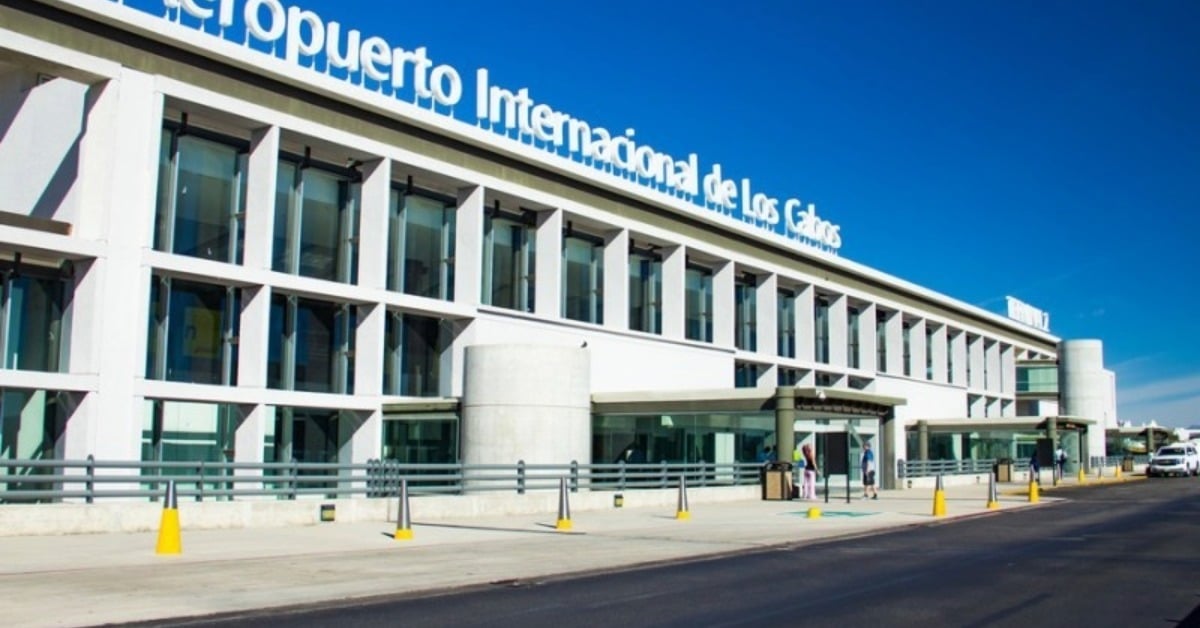
Los Cabos closed 2025 with 7,529,900 passengers moving through the international airport in San José del Cabo. That is a modest year-over-year increase, but the real takeaway is stability. After years of volatility in global travel, Los Cabos is now operating at a volume that would have sounded ambitious not long ago, and it is doing it without the kind of dramatic spikes that often precede a slump.
Zoom in a bit and you can see how the year ended: December traffic was slightly lower than the same month a year earlier, even as the annual total still edged up. That kind of finish often reads as a market catching its breath, not collapsing. For residents and expats who live in the destination day to day, it translates into something more tangible: the crowds are no longer “seasonal chaos” so much as a predictable rhythm that keeps pushing up against the same bottlenecks.
International demand still does the heavy lifting
The passenger mix helps explain why Los Cabos feels increasingly global. In 2025, international travelers accounted for roughly 4.69 million passengers, while domestic travel totaled about 2.84 million. In other words, close to two-thirds of the airport’s traffic is international, and that matters because international-heavy destinations tend to experience sharper peaks, longer queues at arrival chokepoints, and heavier reliance on the same set of ground services—shuttles, rental cars, resort transfers, and airport corridor traffic.
Airlines also continued widening the map. New routes added during the year included service connecting Los Cabos with Panama City and additional U.S. links such as Austin, Atlanta, and Las Vegas. Even if you don’t take those flights yourself, expanded connectivity tends to ripple out: more arrival waves, more turnover in short-term lodging, and more pressure on staffing in hospitality and transport just to keep service levels from slipping.
Growth is shifting from “more passengers” to “more capacity”
One of the more revealing signals came in the year-end data about seats and how full planes are. Available seats increased in December, while the load factor dropped compared to the prior year. That combination typically shows airlines and airports trying to get ahead of demand—adding capacity and smoothing schedules—rather than simply chasing sold-out flights. For travelers, that can eventually mean better flight choices and, at times, more fare competition. For the community, it can mean something less glamorous: the destination needs to match that added air capacity with ground capacity, or the friction just relocates from the aircraft to the arrivals hall, the highway, and the city’s basic services.
The infrastructure squeeze is now the main storyline
At 7.5 million passengers a year, the airport is no longer just a gateway; it is a daily stress test for Los Cabos. The most immediate pressure shows up on the road network that feeds the terminals and the Tourist Corridor, where traffic builds quickly around arrival banks. It shows up in the time it takes to get a taxi, the length of rental-car lines, and the ripple effect on workers commuting across the same congested routes to staff hotels, restaurants, construction sites, and services that keep the resort economy running.
And then there is the quieter pressure that residents notice more than visitors do: housing availability, water reliability, and the cumulative load on local systems as more people arrive, stay longer, and return more often. For expats, this is the point where “more flights” starts to feel less like convenience and more like a question: can the destination grow up fast enough to stay livable?
The airport operator is already planning major upgrades as part of a multi-year investment program that includes expanding Terminal 2 and improving road access to the airport. The direction is clear—more space, better flow, higher capacity—but construction and transition periods can also bring temporary pain. The next phase of Los Cabos’ growth won’t be decided by whether people want to come. It will be decided by whether the destination can move them, house the workforce, and protect quality of life while it does.