On a dusty lot in San José del Cabo, local crews and officials have begun turning years of complaints about street animals into concrete and steel. This week, the municipality laid the first stone for the CABA Animal Care and Welfare Center, a facility designed to give injured, abandoned, and at-risk pets more than a temporary patch-up on the sidewalk.
The project carries an estimated cost of 35 million pesos and will be built on land donated by a private coastal development. Plans call for 825 square meters of enclosed construction with surgery and recovery rooms, kennels, administrative offices, bathrooms, storage, and a crematorium, surrounded by parking areas, gardens, walkways, and an outdoor amphitheater. According to municipal authorities, the center is expected to serve more than 136,000 residents in San José del Cabo and its surrounding neighborhoods.
For city leaders, the new complex is meant to signal that animal welfare is no longer an afterthought. They have framed the center as a shared effort between government, residents, veterinarians, and the business sector. In this place, rescued animals can receive professional care while adoption, education, and responsible ownership programs take root.
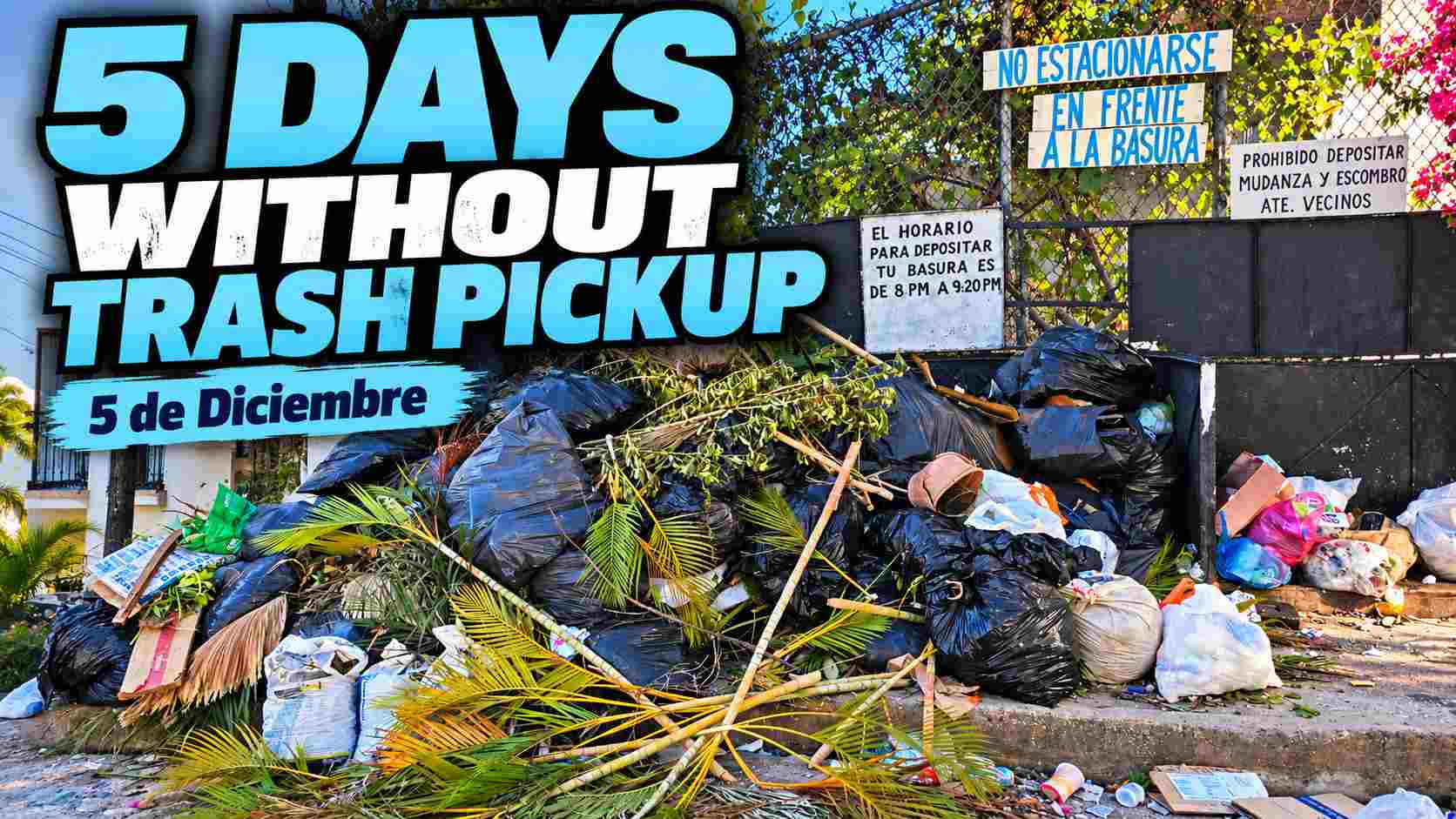
Behind the formal speeches, the decision also reflects a simple reality visible on almost every block in Los Cabos. Packs of free-roaming dogs and community cats have become part of the landscape, loved and fed by some neighbors, feared or ignored by others, and often denied access to basic medical care.
Los Cabos animal welfare at a turning point
Local assessments have warned that the growth in homeless dogs and cats in Los Cabos has become “uncontrollable,” describing a municipality where the number of animals may now exceed the number of human residents. In a city of roughly 300,000 people, one recent report estimated that there are about five dogs and cats per person, many of them living on the streets or in unstable homes.
That imbalance is not unique to Baja California Sur. National research has estimated that tens of millions of dogs and cats live outside formal homes, and that hundreds of thousands more are abandoned each year. Public universities and veterinary specialists have linked this trend to broader health risks, including bites and traffic accidents, the spread of disease, and the everyday suffering of animals that slip through the cracks of human care.
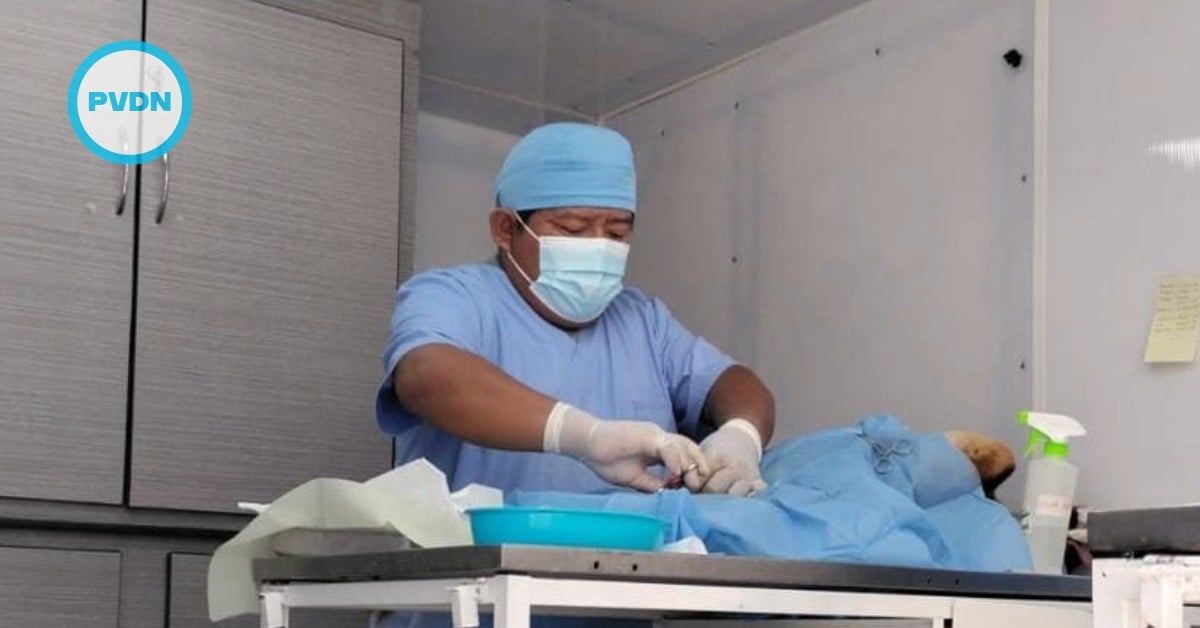
For years, Los Cabos has tried to respond with mobile sterilization and vaccination drives. Municipal health brigades have reported campaigns in which close to 100 animals were sterilized in a few days, and more recent efforts in Cabo San Lucas and San José del Cabo have continued offering free or low-cost surgeries and rabies shots. Local non-profit groups have stepped in as well, organizing neighborhood clinics and adoption events, often relying on donations and volunteer veterinarians to keep going.
Those actions matter, but they have also revealed their limits. Temporary clinics can reduce births in a handful of colonias, yet they rarely have the space to handle complex surgeries, long-term recovery, or animals seized after severe cruelty cases. Foster networks save many lives but struggle when there is no formal place to send animals that need isolation, specialized treatment, or end-of-life care.
The new CABA center is meant to fill that gap. By bringing surgery theaters, recovery wards, and kennel space together in one public facility, authorities argue they will be able to conduct higher-volume sterilization campaigns, stabilize injured animals after accidents, and provide a safer route to adoption. The presence of a crematorium is also a quiet acknowledgment of another reality: many animals arrive too late to be saved, and their final moments often lack dignity.
At the state level, Baja California Sur now treats cruelty to domestic animals as a crime, with prison sentences and fines on the books. Lawmakers have updated the Animal Protection Law to recognize animals as sentient beings and to assign specific responsibilities to municipal governments. Yet advocates point out that the state still does not have a specialized public prosecutor’s office focused solely on animal cruelty, which means complaints often move slowly or never reach a courtroom.
A center like CABA cannot replace prosecutors or judges, but it can help make the law real. With trained veterinarians and proper facilities, authorities will have a place to document injuries, issue expert reports, and provide safer shelter for animals removed from violent environments.
From concrete shell to real change on the street
The design of the new complex hints at an ambition that goes beyond sheltering dogs and cats. In addition to medical and kennel areas, the project includes an amphitheater, gardens, and walkways intended for educational activities. Municipal officials say they want school groups, families, and neighborhood leaders to use the space for talks on responsible pet care, bite prevention, and the importance of sterilization.
That educational role could prove as crucial as the surgeries themselves. Research in Mexico and across Latin America shows that long-term control of street animal populations depends on achieving and maintaining high sterilization rates, often cited at around 70% of the population in a given area. Without consistent outreach, many owners still see sterilization as unnecessary or harmful, and puppies and kittens continue to arrive in homes that are already stretched thin.
Local experience supports that diagnosis. Neighborhood campaigns in Los Cabos have shown that when residents receive clear information, free transportation, and respectful treatment at clinics, they are more willing to sterilize their animals and to adopt instead of buying. Groups that have walked the streets of San José del Cabo with portable kennels and clipboards say that the most challenging part is not convincing people to care, but offering them a safe, accessible place to act on that concern.
The CABA center could become that anchor if it is fully staffed and adequately funded. A modern operating room means little without enough veterinarians, technicians, and support staff to keep it running. Kennels and recovery rooms need cleaning crews, food, and medicine. Education programs require coordinators who can build trust with schools and neighborhood committees.
There is also the question of how far the center will open its doors to civil society. Some of the most effective animal work in Los Cabos has come from non-profit organizations that organize spay-and-neuter days, rescue abused animals, and help low-income families cover basic vet bills. If the new facility makes room for these groups, with shared campaigns and clear communication, the impact of each peso invested could stretch much further.
For now, the site is more a blueprint than a building. Fences surround an empty expanse of soil, with heavy machinery slowly shaping what will become foundations, walls, and shaded kennels. Residents walking past with their own dogs on leashes, or leaving bowls of water for the strays that sleep under parked cars, can already picture what it might mean to have a dedicated place to seek help.
The success of Los Cabos animal welfare efforts will not be measured only by the number of surgeries performed or animals adopted in the new center. It will show in quieter ways: fewer packs darting through traffic at night, fewer complaints about bites, more children growing up understanding that pets are not disposable. The first stone in San José del Cabo is a symbolic beginning. Whether it becomes the foundation of a true shift in how the municipality treats its animals will depend on what comes next.