Los Cabos is about to test a new kind of tourism spotlight: one where binoculars matter more than bottle service. From September 25–27, the municipality will host its first International Bird Festival, a three-day program of free public talks, guided walks, cultural events, and an official Bird City designation intended to lock in long-term conservation goals.
The schedule presented this week places the main venues at the Krystal Grand Los Cabos in San José del Cabo and the Cerrito del Timbre overlook in Cabo San Lucas. Capacity is limited; the city says registration details will roll out on its official channels. The goal, according to organizers, is straightforward: celebrate the region’s natural wealth and turn birdwatching into a steadier, more sustainable slice of the visitor economy.
What “Bird City” actually means here
Los Cabos expects to receive the Bird City distinction during the festival, becoming only the second municipality in Mexico to do so, after Cozumel’s 2022 recognition. The status ties a city to a specific set of actions—habitat protection, threat reduction, and public education—within the Bird City Network launched by Environment for the Americas and partners behind World Migratory Bird Day. It’s a marketing bumper-sticker, yes, but it also comes with homework.
City officials frame the festival as part of a broader, interagency push. The program is being organized with the Municipal Tourism Directorate, the Ecology and Environment Department, the Municipal Institute for the Development and Inclusion of People with Disabilities (IMDIS), and the Autonomous University of Baja California Sur (UABCS)—which will lead inclusive listening workshops so that more residents can access birding, even without sight. That’s a notable choice for a destination known for high-end resorts.
Why Los Cabos is a birding heavyweight
Look at a map, and it all clicks into place. The San José del Cabo Estuary sits at the southern tip of the peninsula, a rare freshwater oasis on a desert coast that draws migrants on the Pacific flyway and shelters residents year-round. The estuary has been a state ecological reserve since 1994, with a management program updated over time—work that’s again under review as the city refines boundaries and conservation priorities this year. All of that underpins the festival’s conservation rhetoric.
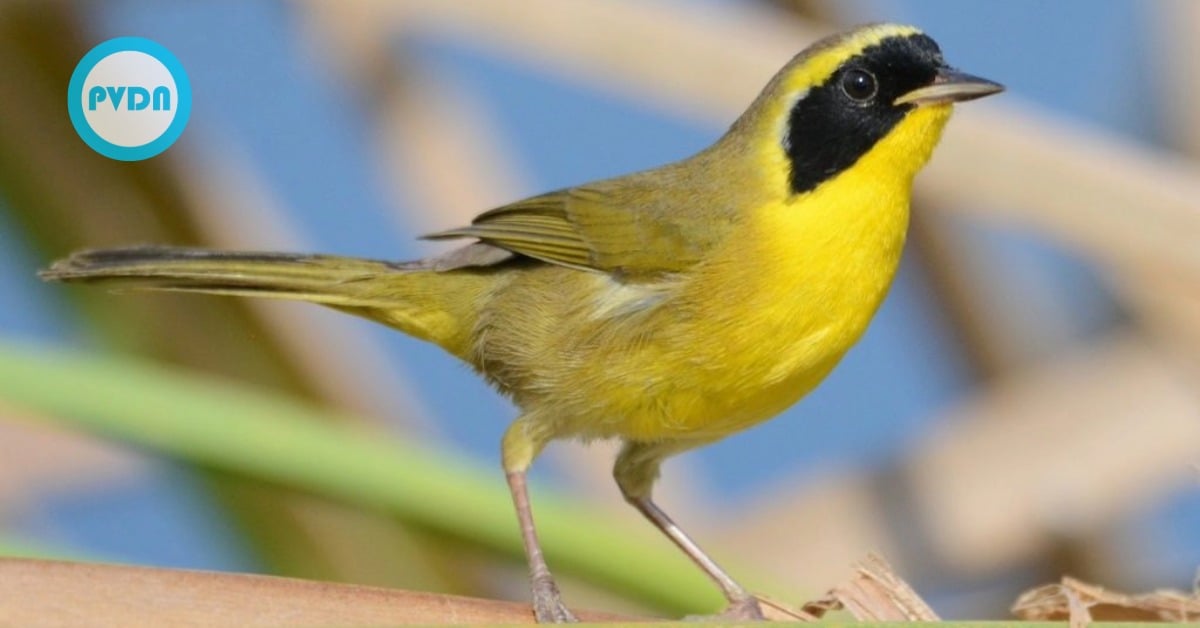
For visiting birders, the Cape District is a tight, high-reward loop. Xantus’s Hummingbird, Gray Thrasher, and Belding’s Yellowthroat—three endemics that make Baja a bucket-list destination—are realistic targets within day-trip range, alongside herons, rails, and seasonal shorebirds that work the estuary’s edges. That’s the kind of checklist that can shift a weekend from golf to guided walks.
The local context: policy catching up to the marketing
If Los Cabos wants birding to outlive a news cycle, the policy has to stick. This spring, the city announced a comprehensive plan to strengthen protection at the estuary, and in July, state media detailed ongoing work to mark and defend the protected polygon. Pairing those moves with a Bird City credential—and giving them a public stage at a festival—creates a paper trail voters and scientists can point to later. That’s the accountability upside of tying celebration to certification.
What’s on tap during the festival
Expect a mix of science talks by national and international guests, panels on conservation and sustainable tourism, a public birding guide presentation for the state, and community “pajareadas” (guided bird walks). There’s also an open amateur bird photography contest designed to seed local participation and, yes, future marketing assets. All activities are slated as free.
For a destination that’s long sold sun and surf, this is a chance to sell quiet—a morning listening for a rail instead of a late check-out. If the Bird City promise keeps pace with the festival fanfare, Los Cabos may have found a new kind of bragging right.