Los Cabos says it has 27 Blue Flag beaches and wants 13 more, chasing Barcelona. Officials tout new A+ ratings and tighter controls.
Los Cabos is aiming to turn a tourism brag into a measurable record. Local officials say the municipality now has 27 Blue Flag–certified beaches, and they want to add 13 more in the next push. The comparison target is Barcelona, which officials say has 37 certified beaches.
The pitch is simple. More Blue Flags mean more trust, more marketing power, and a clearer claim to “world-class” beaches. But the story underneath is less glossy. Blue Flag is not a one-time trophy. It is an annual standard with ongoing checks. When a beach slips, the flag can come down.
In Los Cabos, officials also highlighted an internal top grade they call A+. They described it as “zero residues,” meaning exceptional cleanliness. A recent evaluation credited seven local beaches with that A+ score.
Los Cabos Blue Flag
The push is being led on the ground by ZOFEMAT, the agency that manages the federal coastal zone. Its local coordinator, Rafael Álvarez Munguía, says the goal is not just numbers. It is the “next season” leap. His message is that Los Cabos can compete with the best, and do it while tightening standards on the sand.
He said Los Cabos has already expanded the number of beaches earning the highest local mark. He also framed it as a public benefit, not a hotel perk. He talked about cleaner beaches, stronger lifeguard readiness, and better on-beach information for visitors and residents.
The numbers, though, take a little sorting. In early-season messaging for 2024–2025, municipal officials publicly marked the raising of the Blue Flag at Playa El Chileno and said that Los Cabos had 25 Blue Flag beaches at that point. They also described how those flags were being maintained, with most operated by the municipality through ZOFEMAT and a smaller share managed directly by developers.
More recently, officials have spoken in terms of 27 certified beaches in the municipality overall. In that same update, they said a control visit confirmed 25 beaches kept their Blue Flag award for the current season. That distinction matters. A municipality can count the total number of certified sites, while also tracking which ones successfully renewed and kept the flag flying after inspection.
The A+ grade was tied to the latest evaluation. Officials said seven beaches earned it: Acapulquito, La Gaviota, La Ribera, Las Viudas, Palmilla, Santa María, and Paraíso Leonero. They described the A+ standard as zero residues, along with strong performance on cleanliness, safety, environmental management, and water quality.
If Los Cabos does submit 13 more beaches, it would not be a cosmetic expansion. Each new beach would need systems that can withstand scrutiny. That means steady staffing, routine documentation, and the unglamorous basics like bins, toilets, signage, and safe access points. It also means keeping the beach clean on bad days, not just photo days.
There is also an economic angle that locals feel first. A Blue Flag beach is work. It requires money for monitoring, equipment, and training. It also forces decisions about rules and enforcement. When standards rise, enforcement becomes more visible. That can bring friction, especially on public beaches that locals use year-round.
Still, the goal has real weight in the tourism market. Blue Flag is widely recognized, and Los Cabos is betting that the label will help it stand out in a crowded global beach economy. That is why officials keep returning to Barcelona. It is less about Spain itself and more about competing with a place people already associate with famous urban beaches.
What Blue Flag really measures
Blue Flag is run internationally by the Foundation for Environmental Education. Its beach criteria are built around the idea of sustainable coastal management, not just pretty water. The program’s requirements cover water quality, environmental management, environmental education and information, and safety and services.
The standards are designed to be visible to the public. Beaches are expected to share information on-site. Water testing needs to be consistent and reliable. Waste management cannot be a guess. Safety planning has to be real, not performative. Accessibility is also part of the conversation, especially for heavily used beaches that are promoted as public-facing destinations.
The “keep it or lose it” piece is what makes Blue Flag different from a one-off award. The international criteria document states that the flag must fly during the Blue Flag season and can be withdrawn if a beach fails to comply. The program even distinguishes between minor and major non-compliance. In plain terms, a beach can be flagged for problems, given time to fix them, and still risk losing the award if issues persist.
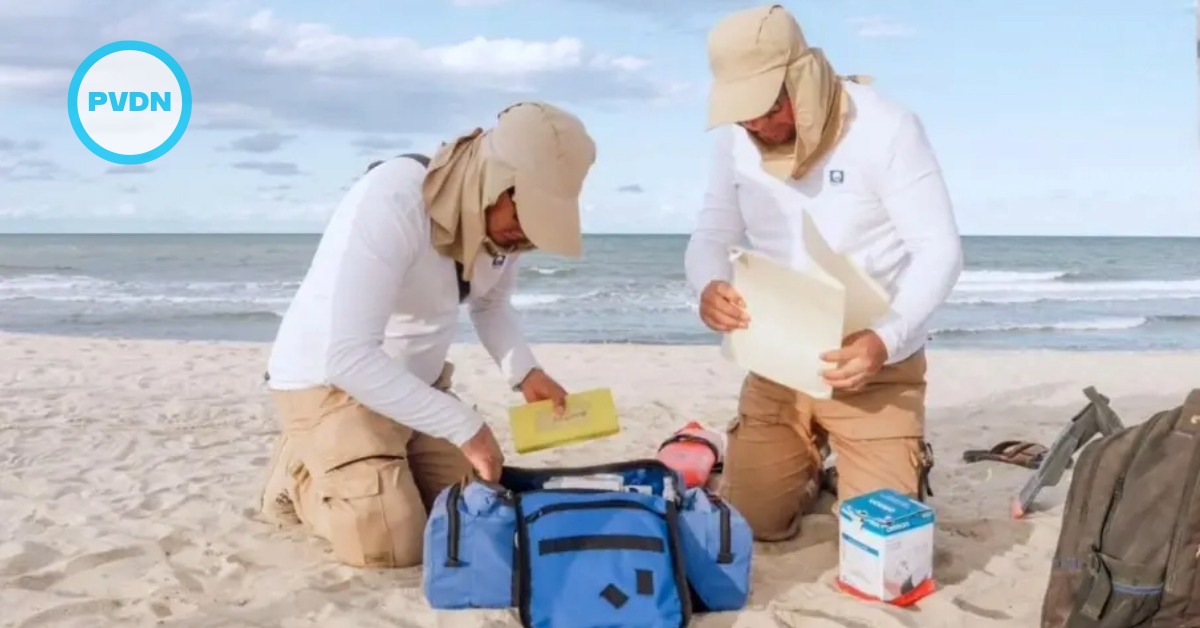
Los Cabos officials have leaned into that pressure as a selling point. In their telling, the inspections force continuous improvement. In the most recent control visit described by officials, the review included checks that go beyond what most tourists notice, including sampling and debris-measurement methods meant to catch tiny waste, such as microplastics and cigarette butts.
The Barcelona comparison also needs context. Spain is a global heavyweight in Blue Flag awards, with hundreds of beaches awarded in a single season. Barcelona’s count depends on what boundary you mean. The city has a smaller set of urban beaches. The wider Barcelona province includes many more coastal municipalities and beaches that are not included in official lists. That is why “Barcelona has 37” can sound specific and still be shorthand for a broader region.
For Los Cabos, the next test will be less about the headline number and more about durability. Adding flags is one challenge. Keeping them, season after season, is the harder one. That is where locals will notice whether the standards are real. Clean water, safe swimming zones, consistent lifeguard coverage, and basic services are not just tourist comforts. They are quality of life.
For now, officials say the first formal international conversations about the next round have started. The municipality wants to move quickly. The beaches, however, will be judged slowly, through repeated checks and ordinary days. That is the part no banner headline can fake.