Heavy rains turned the Paseo Barlovento underpass into a sand trap and snarled traffic around the sports complex in San José del Cabo. Now the city says crews have cleared the way, removing more than 100 cubic meters of sand and reopening the route. Officials also want residents to report lingering trouble spots so they can get fixed before the next storm hits. Here’s what changed on the ground, why it matters for drivers, and how this fits into the season’s storm-driven cleanup work.
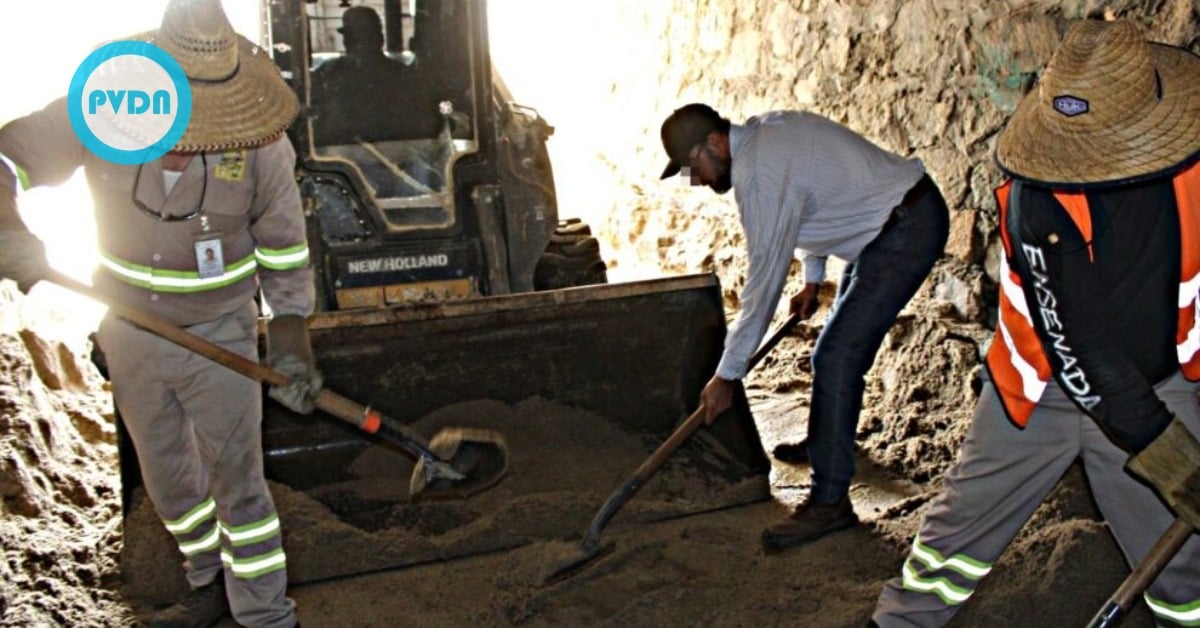
After days of rain swept sand under the Paseo Barlovento bridge in San José del Cabo, city crews moved in and reopened the route. The municipal public services department says more than 100 cubic meters of sand were hauled out to make the crossing passable again, easing backups around the Unidad Deportiva. That rapid response mattered. Drivers had been detouring through congested streets while the bridge sat buried and unsafe.
Los Cabos bridge cleanup
Local outlet BCS Noticias reported the operation on September 16, noting the clearing followed strong rains that left the area impassable. The story matches a municipal release posted the previous day that framed the work as part of broader de-silting efforts to keep traffic moving during the wet season. Taken together, the accounts confirm both the scope of the removal—more than 100 m³—and the location next to the city’s main sports complex.
The fix comes amid a choppy September in Baja California Sur. Early in the month, Tropical Storm–then Hurricane—Lorena soaked the peninsula before weakening, and this week the national weather service warned of additional bands of rain tied to Tropical Storm Mario. Seasonal convective storms layered on top of that have kept roads and arroyos unstable. It’s the kind of pattern that dumps sand in low crossings and underpasses like Paseo Barlovento, then repeats the process.
Crews describe the work as straightforward but urgent: shovel, load, and haul until the roadway clears and the under-bridge drainage can breathe again. The city’s note says the goal was to “optimize traffic flow” and reduce obstructions in the corridor. On the ground, that translates to shorter waits on school runs, quicker access to the athletic complex, and fewer risky turns onto side streets not built for surge traffic. Small interventions can have outsized effects when rains arrive in waves.
What neighbors can do next
Officials also asked residents to report fresh blockages or erosion so crews can get there before conditions worsen. The public services office lists a reporting line at (624) 123-4605 and points people to its San José del Cabo office on the Transpeninsular near the Soriana in Guaymitas. That guidance may feel routine, but it matters when storms rework sand overnight and yesterday’s fix becomes today’s hazard. If you see a problem, call it in—it helps prioritize the next cleanup.
The takeaway is simple. The Los Cabos bridge cleanup at Paseo Barlovento is now complete; the route is open, and traffic should feel the difference. But the season isn’t over. Expect more shifting sand under low spans and in arroyo-adjacent streets as the rains come and go. The city says it will keep clearing; drivers can help by slowing near underpasses after a storm and by reporting trouble spots quickly. That’s how you keep the roads open when the weather keeps testing them.