In some Cabo San Lucas-area neighborhoods, “running water” has become a memory you plan around. Residents describe stretches without service so long that the calendar matters more than the faucet, while municipal deliveries arrive less often and sometimes feel smaller when they do. The complaints are not isolated, and they land at an uneasy moment: officials are promising big infrastructure fixes, but daily life is still ruled by the next truck, the next refill, the next workaround.
When the tap becomes a rumor
Across parts of Los Cabos, residents say potable water service has grown so unreliable that whole colonias can go weeks without a drop through the network, and in the worst cases, as long as two months. In areas such as Cangrejos, 4 de Marzo, Altamira, Chulavista, Valle del Cabo and Tierra y Libertad, neighbors have publicly described outages that have stretched beyond a month, leaving households to ration what they can store and chase deliveries to cover basic needs.
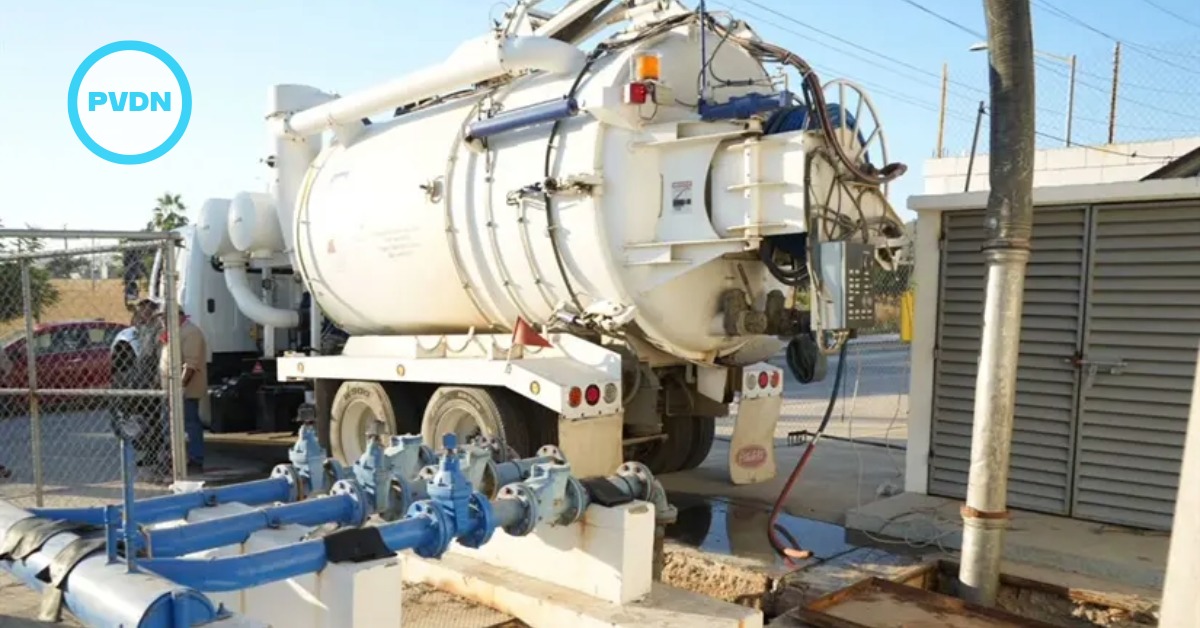
That dependence carries a second problem: people say the backup system is thinning out. When water trucks become less frequent, families have to stretch what they have longer, buy from private vendors more often, or simply go without. For newcomers and expats renting a place that “has water,” the fine print suddenly matters: whether the building has a functioning cistern, whether pressure ever reaches upper floors, and whether the neighborhood is on a dependable rotation or effectively off the grid.
Why outages last so long
Los Cabos’ water crisis is not just about a bad week or a broken pipe. Local officials and reporting around the municipal water utility describe a supply gap measured in hundreds of liters per second, along with dozens of sectors that do not receive service through the network. In practice, that means some zones live on schedules that slip, while others live on trucks by design.
The situation has also been jolted by disputes over where tanker operators can legally fill up. The closure of wells in the Migriño area has been cited as a direct hit to the pipa supply chain that serves many Cabo San Lucas colonias, adding distance, bottlenecks, and higher costs to a system that was already strained. In a fast-growing desert city, any reduction in flexibility shows up quickly in households’ water storage.
What officials say is coming next
Authorities point to two tracks: emergency delivery now, and larger infrastructure later. The municipal government has promoted an emergency support effort that sends pipas directly into affected colonias and, publicly, has tied that service to a promise not to pull back until network supply improves. At the same time, officials have highlighted major works aimed at increasing production and distribution, including desalination expansion and rehabilitation of aqueducts and active wells.
One of the headline projects is Desaladora II, which local officials say is progressing and is part of a plan to substantially increase total desalination capacity. A separate federally framed desalination project is also slated for startup in early 2026, on paper, adding a meaningful new stream of potable water. For residents living outage to outage, though, the question is simpler: how quickly any of that changes what comes out of the tap this month, in their street, at their elevation.