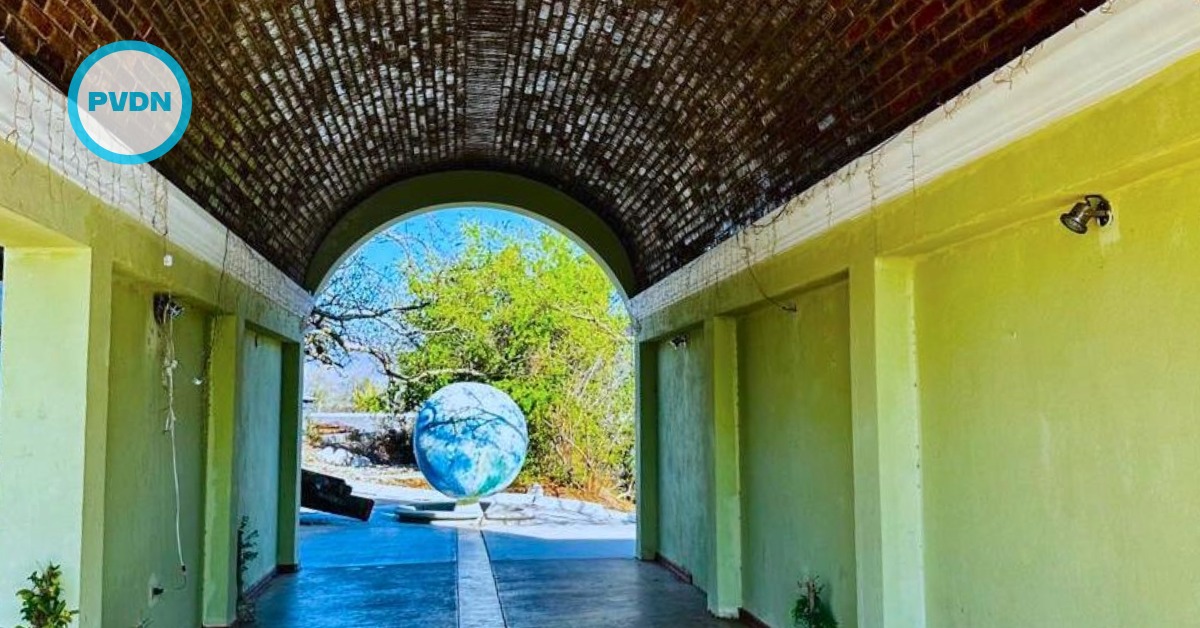
A sign on Highway 1 marks an invisible line that circles the planet, but Los Cabos officials think it can do more than decorate a road trip. This week, the municipality began a fresh push to get residents and visitors to stop at the Tropic of Cancer Santiago plaza, just outside town. The pitch mixes astronomy, local pride, and a nudge to buy from nearby businesses. What’s changed at the site, and why does June 21 matter here? The answers sit in a quiet corner of rural Los Cabos.
Tropic of Cancer Santiago and why it matters
If you have ever driven north from San José del Cabo toward La Paz, you have probably passed the marker without thinking twice. It sits in the Santiago delegation along Mexico Highway 1, the kind of place that can feel like a quick “photo and go” stop. Los Cabos officials now want to slow that moment down and turn it into a reason to spend time and money in Santiago.
The hook is simple. The Tropic of Cancer is not a visible border, but it is a real geographic line, lying a little over 23 degrees north of the equator. It marks the northern edge of the tropics, and it is tied to one of the most basic facts of astronomy. Around the June solstice, the sun reaches its northernmost overhead position at noon, which is why places on or near this line can see shadows shrink dramatically for a short time each year.
Science is doing more work than you might expect in a tourism pitch. It gives the site a sense of “you are standing somewhere specific on the planet,” which is a feeling travelers chase, even if they do not put it in those words.
A municipal push aimed at a rural corner of Los Cabos
The municipal government’s economic development office is the one carrying the message. In its public invitation, the office frames the landmark as part of Santiago’s identity and a point of local pride, not just a curiosity for passing cars. It also makes the goal explicit. More stops should translate into more purchases in and around town, from meals and snacks to small local businesses that rely on weekend traffic.
That focus matters because Los Cabos tourism is usually imagined as beaches, resorts, and marina views. Santiago is something else. It is rural Los Cabos, greener than people expect in season, and closer to the mountains than the nightlife. For expats living in Cabo San Lucas or San José del Cabo, it is also close enough to feel like an easy escape when the corridor starts to feel crowded or repetitive.
The timing reads as a reminder as much as a campaign. The site has been there, and travelers have been stopping there, but the municipality is now putting official attention on it as a public-facing attraction. In plain terms, it is Los Cabos trying to spread visitor energy beyond the coastline.
What visitors actually find when they pull over
On the ground, the appeal is practical. The Tropic of Cancer stop is right off the highway, positioned to be easy, quick, and safe enough to work as a break in a longer drive. It is more than a roadside sign. It is set up like a small plaza, built for photos and short walks, and designed to feel like a place rather than a shoulder of pavement.
That may sound minor, but it is the difference between a marker you glance at and a stop you remember. The plaza setup also signals what the municipality is trying to do. The goal is not just to prove you crossed a latitude. It is to make the stop feel connected to Santiago itself, so the next decision is not “back in the car,” but “should we keep going into town?”
If you are the kind of traveler who likes a small detail to anchor a day trip, this one works. You can tell friends you stood at the line that helps define the tropics. You can time it around late June if you want the astronomy angle. Or you can treat it as a simple pause before you head toward Santiago’s other draws.
The bigger play for Santiago
Santiago does not need to compete with Cabo’s big-ticket experiences to be worth a visit. Its value is the contrast. It is quieter, more local, and closer to nature. Nearby, the Sierra de la Laguna area offers a different Baja, one with canyons, hikes, and water in places that surprise first-time visitors.
That is why the Tropic of Cancer message is smart branding for Santiago. A geographic line becomes a doorway. It is a reason to exit the highway and start paying attention, which is the hardest part of getting travelers to discover smaller communities.
Many expats are not hunting for “one more beach day.” They want places that feel like Mexico outside the tourist bubble, without the hassle of a long drive or a complicated plan. Santiago fits that mood, and the Tropic of Cancer stop gives it an easy introduction.