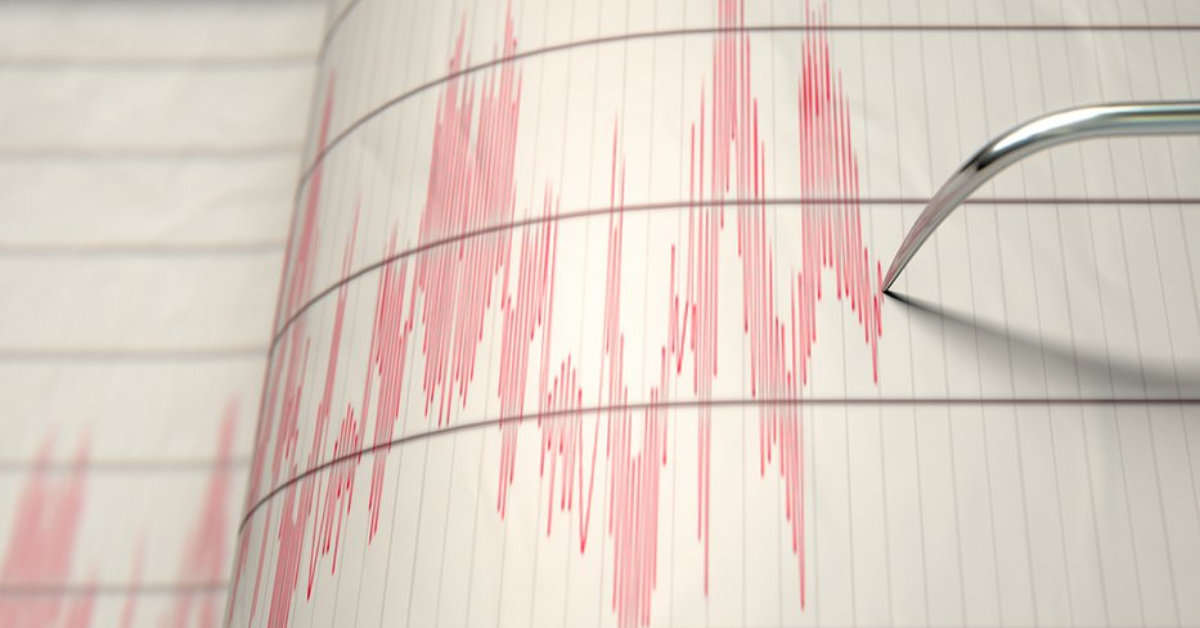
A morning quake near San José del Cabo was felt across Los Cabos and quickly triggered inspections. Authorities said the magnitude 4.1 event did not appear to cause major damage. Civil protection teams continued to check structures and monitor for new reports. For many international readers, the story is a reminder that Baja California Sur is not only a hurricane zone. It is also a seismically active region, so even moderate quakes can feel strong when they strike close to town.
A morning shake close to the urban core
A magnitude 4.1 earthquake shook San José del Cabo on Monday morning and was felt across parts of Los Cabos. The epicenter was 7 kilometers northwest of the city. The depth was 14 kilometers. By Mexican standards, that is a moderate event. But it happened close to a busy urban area. That gave it immediate attention. Within minutes, residents described a brief but forceful jolt. Civil Protection then began receiving requests to inspect possible structural damage.
Early reports were reassuring. Local authorities said they had no immediate confirmation of major structural damage or injuries. They still activated review protocols across the municipality. Officials also asked residents to report visible cracks, fallen materials, or other hazards. The first phase was about checking, not rescuing.
Why a moderate quake can feel bigger than its number
For many foreign residents and visitors, Los Cabos is often associated with hurricane risk. Earthquakes draw less outside attention. They are still part of the region’s hazard profile. Southern Baja California Sur lies within an active seismic zone, with fault systems in and around the Gulf of California. That setting differs from the subduction earthquakes that often hit southern and central Mexico. But it can still produce felt quakes near populated areas.
That helps explain why Monday’s event drew concern even without signs of major destruction. Magnitude matters, but depth and distance matter too. A shallow quake near a city can feel stronger than the magnitude suggests. That appears to have happened here. The shaking was brief. But it was close, and proximity shapes how an event is experienced.
What officials are checking now
After a quake like this, damage checks start with the basics. Inspectors look for wall cracks, loose façades, broken glass, and utility problems. They also review public buildings and spaces where many people gather. In Los Cabos, that matters because much of daily life and tourism is concentrated in a compact urban corridor.
The broader context matters too. The San José del Cabo area has seen notable seismic activity before, including stronger shaking in 2025. That recent history helps explain the quick public reaction. It also explains why local authorities moved into inspection mode so fast. A rapid review does not mean officials expect major damage. It means a moderate quake near homes, offices, and public buildings still deserves a prompt check.
Why this story matters beyond the morning jolt
For readers who live in Los Cabos or spend part of the year there, the takeaway is straightforward. An earthquake felt but with no major confirmed damage can still remain a live local story for hours. Property managers, businesses, and public agencies may keep inspecting buildings after the first official update. That is why authorities are urging people to stay calm and use official channels if they notice fresh cracks, unstable walls, or other changes.
This event does not appear to be a disaster. It is, however, a useful reminder of how Los Cabos responds when the ground moves close to town. The initial message from officials was reassuring. The inspections now underway are still important. They help confirm that a short, moderate quake did not leave behind hidden risks.