Los Cabos is pushing a new lane in Pacific diplomacy. City officials met with South Korea’s ambassador to map cooperation on security, tourism, investment, and even a sister-city agreement. It’s early, but the goals are concrete: safer tourist corridors, airline and cruise growth, and tech and manufacturing links that bring jobs without eroding the destination’s appeal. The talks also fit into a broader Mexico–Korea story, with trade and investment on the rise and new cultural programs being launched here. The question now is execution—and who benefits first.
Los Cabos is trying to turn polite diplomatic nods into usable gains. Municipal officials sat down with South Korea’s ambassador. They agreed to pursue cooperation on security, tourism, investment, and a possible sister-city pact—practical buckets where the resort’s daily reality meets South Korea’s economic weight. That’s the story: how these conversations might change life on the ground in Los Cabos.
Los Cabos South Korea ties
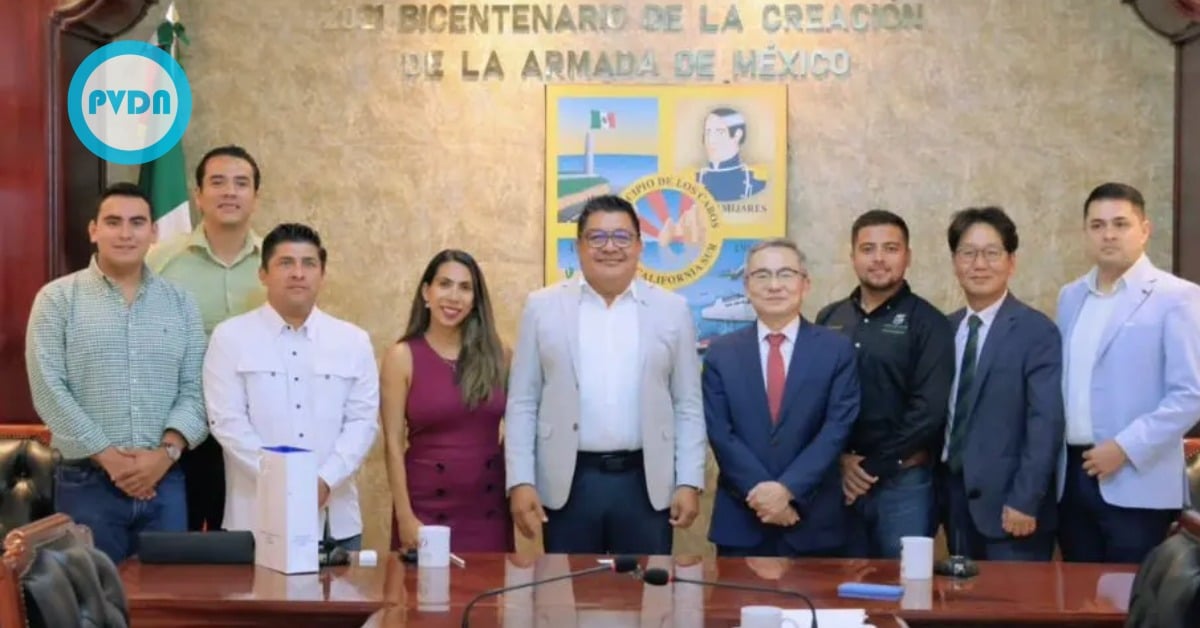
The meeting—led by Los Cabos’ secretary-general Alberto Rentería Santana with Ambassador Huh Tae-wan—didn’t produce signatures. It produced direction. City hall framed the agenda around keeping visitors safe, deepening tourism flows, courting the Korean capital, and formalizing a long-term relationship through sister-city status. The embassy confirmed Huh Tae-wan as the sitting envoy in Mexico, and his schedule in recent months shows a run of outreach with Mexican institutions. In other words, both sides are warmed up.
Why it matters: Los Cabos knows that security, credibility, and visitor experience drive everything from airline routes to hotel rates. South Korea’s travelers make up a small share of today’s arrivals, but its companies are significant global investors. If Los Cabos can connect port logistics, convention business, and safe tourist corridors to corporate travel and leisure demand, you start to see the flywheel. Diplomacy becomes bookings; bookings become payroll. (City tourism monitors already track steady passenger growth and record cruise volumes this year.)
Zoom out to the national picture, and the timing looks favorable. Mexico–South Korea trade is substantial and, for now, heavily lopsided in favor of Korean exports; foreign direct investment from South Korea reached over US$1.3 billion in 2024, primarily concentrated in manufacturing hubs. That capital tends to follow trust and predictability. If Los Cabos can demonstrate reliable public security in tourist zones and a professional permitting process for projects that align with the destination, Korean firms will take notice.
There’s also a cultural and tourism bridge forming. The Korea Tourism Organization opened an office in Mexico last year to promote two-way travel. According to its count, approximately 97,000 Koreans visited Mexico in 2023, with momentum recovering after direct flights were reinstated. More cultural programming from the embassy is expected in 2025. For Los Cabos, which already markets to North America and Canada, Korea is not the first domino—but it could be a smart second-tier bet if air connectivity and high-spend segments line up.
From sister cities to street-level changes
Los Cabos isn’t new to the “cities as diplomats” playbook. It formalized its first sister-city agreement this spring with Ensenada, a proper rehearsal for process and protocol. A Korea pairing would raise the ceiling: think student exchanges, film and cultural festivals, maritime and port best practices, and technology transfer in smart-city tools that actually help residents, such as traffic, water, and trash management. Sister-city status is ceremonial on day one, but it becomes practical if both sides continue to show up.
On security, the test is credibility, not press releases. Visitors judge safety by what they see leaving the airport and walking the marina. The city’s pitch to the embassy included safer corridors and joint work with private operators. If that yield is visible—cleaner handoffs between police and tourism stakeholders, faster reporting lines, fewer petty theft hotspots—then tour operators and airlines will take notice. And when airlines notice, capacity follows. That is when a diplomatic coffee turns into a full season of seats.
On investment, the Mexico–Korea pipeline is well established in northern and central states. The opening for Los Cabos is targeted and service-heavy, catering to meetings and incentives travel, health and wellness retreats, the creative industries, yacht and cruise provisioning, and green tech pilots that complement a fragile desert coast. The city has leverage if it protects what people come for—shorelines, water, and a local culture that visitors can actually feel. Growth that tramples the host is bad business; the embassy knows it, and residents live it.